


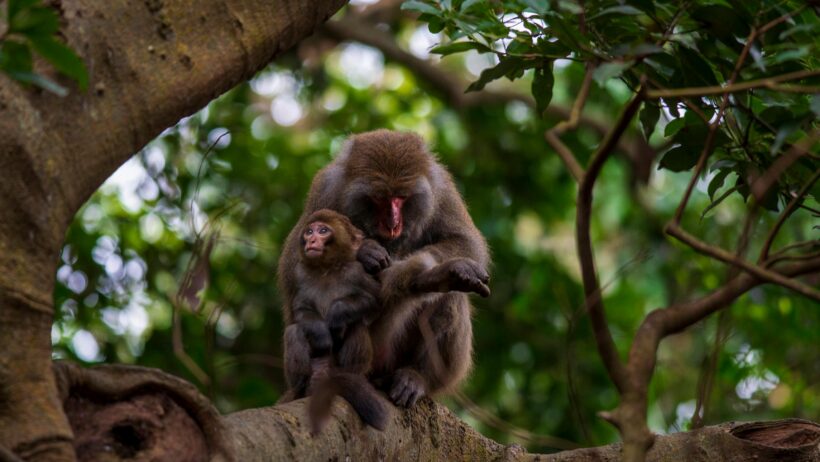

The Amazon Rainforest is an intricate web of biodiversity, brimming with life that captivates the hearts of many. Among its thick canopies and meandering rivers, there exists a charming ensemble of creatures whose cute appearances provoke awe and elicited emotions. This article takes you on an enchanting journey through the Amazon, introducing you to some of the most adorable animals that inhabit this lush ecosystem.
As you delve into the vibrant tapestry of the rainforest, a common observation arises: the allure of cuteness transcends species and ecosystems alike. The tenderness embodied in these animals serves not only to fascinate but also to exemplify the richness of life that thrives within the Amazon. Below are some of the most endearing creatures that you will likely fall in love with, along with insights into their lives and the ecological roles they fulfill.
1. Sloths: The Laid-Back Icons
Perhaps the poster animal of the rainforest, sloths exude an undeniable charm. With their languid movements and perpetual smiles, they steal the hearts of many onlookers. The three-toed sloth, in particular, is known for its slow metabolism and leisurely lifestyle, spending most of its days in the treetops. Their distinctive fur, often home to algae and insects, adds to their unique visage while serving a practical purpose of camouflage.
But beyond their cute exterior lies a fascinating adaptation to their environment. By moving slowly, sloths conserve energy and evade predators, showcasing an evolutionary strategy that might seem counterintuitive in a world where speed is often equated with survival.
2. Red-Bellied Piranha: Misunderstood and Adorable
The name ‘piranha’ may evoke fear for many, yet some species, like the red-bellied piranha, display an unexpected cuteness. With their round bodies and expressive eyes, these fish are often portrayed in a misleading light. While they possess sharp teeth and a reputation for ferocity, their social behaviors and playful interactions reveal a different facet of their personality.
These small yet captivating fish inhabit the deeper waters of the Amazon and play a pivotal role in the aquatic ecosystem. Understanding their behaviors enhances our appreciation of them beyond their intimidating reputations and reveals the complex relationships within the food web.
3. Capybaras: The Gentle Giants
The world’s largest rodent, the capybara, epitomizes cuteness with its charming demeanor and sociable nature. Often found lounging by riversides, these gentle giants are known for their friendly disposition, not only towards one another but also among various other species. They are often seen basking in the sun, surrounded by birds and other animals, creating a picturesque scene that highlights the peaceful coexistence prevalent in the Amazon.
Capybaras are herbivorous, dining on aquatic plants and grasses, thereby contributing to the balance of their ecosystem. Their innate ability to foster relationships with other creatures exemplifies the natural harmony prevalent in the rainforest.
4. Pink River Dolphins: The Enigmatic Charisma
The Amazon River’s pink dolphins, known as boto, add an air of whimsy to the waters of the rainforest. Their distinctive hue, a result of capillaries beneath the skin, makes them one of the most extraordinary creatures in the aquatic realm. Often spotted performing acrobatics—foraging for fish or playfully leaping from the water—they exhibit intelligent behaviors that enchant both researchers and tourists alike.
Despite their cute appearance, the pink river dolphin is a vulnerable species, threatened by habitat loss and pollution. Understanding their plight prompts us to reflect on a deeper connection we share with these remarkable creatures, underscoring the importance of conservation efforts that protect their ecosystems.
5. Poison Dart Frogs: Nature’s Palette
With vibrant hues of blue, yellow, and red, the poison dart frog is a marvel of nature’s artistry. These minuscule amphibians are not only visually appealing but also possess a fascinating method of survival. Their toxicity serves as a deterrent for potential predators, a curious characteristic that humans have both feared and revered.
Frogs are a crucial component of the rainforest’s ecosystem, acting as indicators of environmental health. The fragility of their existence underscores the dire impacts of deforestation and climate change. Engaging with their story invites deeper contemplation about our responsibilities toward preserving the habitats that foster such extraordinary life.
6. Tamarin Monkeys: The Social Butterflies
Among the trees, tamarin monkeys display a variety of species, each characterized by their petite frames and engaging social behaviors. Their lively chattering and acrobatic prowess are mesmerizing, drawing admiration from anyone lucky enough to witness their antics. These monkeys form tight-knit family groups, emphasizing the importance of social bonds in the animal kingdom.
They’re not merely cute companions of the canopy; their foraging habits encourage seed dispersal, thereby contributing significantly to forest regeneration. Understanding their intricate social dynamics offers a glimpse into the beauty of cooperation in nature, prompting reflections on the interconnectedness of all living beings.
Conclusion
Cuteness in wildlife serves multifaceted purposes, intertwining with their survival strategies and ecological importance. The Amazon Rainforest, a haven of delightful creatures, compels us to marvel at the wonders of nature while encouraging a sense of responsibility towards conservation. By nurturing an appreciation for these charming animals, we may find ourselves motivated to advocate for the protection of their habitats, ensuring that future generations might also revel in the joy of the Amazon’s cutest inhabitants.