
The Indian Ocean, the third-largest body of water on Earth, harbors a rich tapestry of biodiversity under its waves. With a vast expanse stretching from the eastern shores of Africa to the western shores of Australia, the ocean hosts an intricate web of marine life, crucial to the health of our planet. As we delve into the awe-inspiring realm of animals living in the Indian Ocean, one might ponder: how can such a thriving ecosystem face unprecedented challenges today? This inquiry sets the stage for a thoughtful exploration of its inhabitants and the pressing issues they confront.
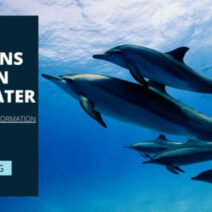
First, let us highlight the formidable giants of the Indian Ocean—the marine mammals. Encompassing playful dolphins, majestic whales, and the lumbering dugong, these creatures showcase the ocean’s ability to support large, complex organisms. Notably, the blue whale, the largest animal on the planet, can be found gliding through these waters. Their sheer size is a testament to the ocean’s ample resources. Yet, their populations are dwindling due to ship strikes, entanglement in fishing gear, and the ever-present specter of climate change, which alters their migratory patterns and feeding grounds.
Diving deeper into these waters, one encounters the vibrant world of fish. The Indian Ocean is home to an astonishing variety of fish species, each playing a pivotal role in maintaining the ecological balance. From the ubiquitous clownfish hiding amongst the anemones to the formidable barracuda patrolling the waters, the diversity is staggering. Coral reefs, often dubbed the “rainforests of the sea,” act as critical habitats for these fish. However, overfishing, pollution, and coral bleaching threaten these delicate ecosystems, leading to significant declines in fish populations that could have long-term repercussions.
Equally astounding are the reptiles that inhabit the Indian Ocean. The green sea turtle is a particularly fascinating example. These gentle wanderers spend their lives navigating the vastness of the ocean, returning to land only to nest. Contributing to coastal ecosystems, they help maintain seagrass beds and coral reefs. Yet, despite their ecological importance, they face numerous threats, from habitat loss and predation to the impacts of climate change, which jeopardizes their nesting sites. Will we take adequate measures to protect these longstanding inhabitants?
In addition to reptiles, various marine invertebrates thrive in the Indian Ocean, showcasing a breathtaking diversity of form and function. Among these, the octopus holds a special place, revered for its remarkable intelligence and adaptability. From shifting colors to blend seamlessly with its environment to using tools and solving complex problems, the octopus is a marvel of evolutionary ingenuity. Though often overlooked, these creatures play vital roles as predators and prey within their ecosystems. Sadly, habitat destruction and pollution threaten their survival. This presents a challenge: how do we ensure the ocean remains a sanctuary for these intelligent beings?
The enchanting world of coral reefs cannot be omitted when discussing Indian Ocean ecosystems. Composed of thousands of tiny coral polyps, these vibrant structures are biodiversity hotspots, supporting thousands of marine species. The intricate relationships between corals and the myriad of organisms they host create a dynamic and interconnected community. However, these precious ecosystems are under siege from climate change, leading to coral bleaching and the eventual collapse of these underwater cities. The challenge of preserving coral reefs raises important questions about conservation strategies and our collective responsibility as stewards of the environment.
Now, branching out from individual species, the socio-economic implications of marine life in the Indian Ocean must also be addressed. Millions of people in coastal communities depend on the ocean for their livelihoods, relying on fishing and tourism to sustain their families. The depletion of fish stocks due to overfishing and environmental degradation places enormous pressure on these communities. This interdependence of human and marine life emphasizes the need for sustainable practices that protect both wildlife and the socioeconomic fabric of coastal regions. How can we create harmony between economic success and the preservation of marine ecosystems?
Conservation efforts are underway, ranging from establishing marine protected areas (MPAs) to implementing sustainable fishing practices. These initiatives aim to provide a safe haven for endangered species while promoting the resilience of marine habitats. However, effective conservation requires collaboration between governments, local communities, and international organizations. Empowering local communities to participate in conservation efforts ensures that their voices are heard and respected, fostering an enduring sense of stewardship. Are we prepared to embrace this collaborative spirit to protect the extraordinary marine life that calls the Indian Ocean home?
As we reflect on the multifaceted challenges faced by the Indian Ocean’s inhabitants, it becomes evident that each facet of marine life is interwoven within a larger narrative of ecological balance. From the playful dolphins dancing through the waves to the intricate coral reefs that host an array of species, the beauty and complexity of this ocean ecosystem deserve our respect and protection. Our ability to address the myriad threats facing these remarkable creatures fundamentally hinges on our commitment to sustainable practices and responsible stewardship. By recognizing our role in this narrative, we can work towards ensuring that future generations experience the wonder of the Indian Ocean’s vibrant marine life. Will we rise to the challenge and become the guardians of this precious resource? The fate of these magnificent animals and the health of the Indian Ocean depend on the decisions we make today.