


The intricacies of urban existence are evolving at an unprecedented pace, spurred on by technological advancements. One such technology that’s capturing profound interest is the Internet of Things (IoT). As cities burgeon and populations swell, the convergence of IoT within urban environments offers untold possibilities for enhancing livability. But, can these innovations genuinely transform our experiences in smart cities, or do challenges lurk beneath the surface?
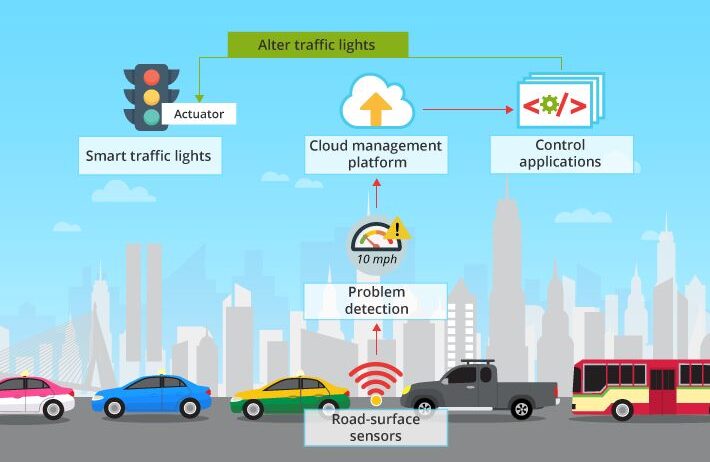
The application of IoT in smart cities is multifaceted, characterized by an array of use cases that span various sectors. Consider the implications of intelligent transportation systems. Cities around the globe are grappling with traffic congestion, a significant thorn in the side of urban dwellers. Through IoT-enabled sensors and devices, real-time traffic management can be achieved. Traffic flow can be monitored, incidents can be reported faster, and optimal routes can be suggested based on current conditions. This dramatic increase in efficiency doesn’t just minimize commutes; it also significantly reduces the environmental impact of vehicular emissions.
Moreover, IoT can enhance public safety. Imagine smart surveillance systems that utilize facial recognition and motion detection. These systems can alert law enforcement about unusual activities or help locate missing persons swiftly. The challenge, however, lies in the delicate balance between security and privacy. While a safe environment is paramount, the implications of constant surveillance raise ethical questions and demand transparent protocols to safeguard personal liberties. How do we ensure protection without surrendering privacy?
Energy usage constitutes another pivotal area where IoT makes its mark. Smart grids, equipped with IoT technology, enable real-time monitoring of energy consumption at both individual and municipal levels. This capability allows for an automated adjustment of energy distribution based on demand. For instance, during periods of peak usage, energy can be rerouted to critical areas, effectively minimizing wastage. Furthermore, integrating renewable energy sources such as solar or wind into smart grids can facilitate a sustainable energy future, albeit with the complexity of grid stability and storage solutions posed by intermittency.
Water management is another realm benefiting tremendously from IoT integrations. Cities plagued by water scarcity or inefficient usage can deploy smart meters that monitor consumption patterns and detect leaks instantaneously. By collecting and analyzing data, cities can optimize water distribution and implement proactive measures to address shortages. The challenge here involves ensuring equitable access to water, especially for marginalized communities. How do we ensure that everyone benefits from advanced technology without further widening the gap between the haves and have-nots?
When it comes to waste management, IoT holds fantastic potential. Smart bins equipped with sensors can notify waste collection services when they are nearing capacity. This enables more efficient collection routes and minimizes unnecessary trips, thereby reducing the carbon footprint associated with waste transport. However, the initial investment in such infrastructure can be significant, raising questions about feasibility in underfunded municipalities. Can limited resources be redirected towards such innovations?
Another noteworthy application of IoT is in air quality monitoring. Sensors placed throughout a city can monitor pollution levels in real time. This data aids in assessing the effectiveness of environmental policies, encouraging public health initiatives, and actively engaging the citizens in improving their air quality. Nevertheless, it is essential to ensure that this data is accessible and understandable to the public. How can cities engage their citizens to act on this information meaningfully?
Furthermore, tourism and visitor experiences can be significantly enhanced. IoT technologies can help in creating interactive experiences by providing information about landmarks, local events, and navigation assistance through mobile apps linked with city-wide sensors. Such tools not only improve the experiences of tourists but can also support local businesses. Yet, as cities design their technological interfaces, they must consider accessibility for all, including those with disabilities. Is it possible to develop universally designed technology that serves everyone effectively?
Undoubtedly, the benefits of integrating IoT within urban landscapes are compelling. Enhanced efficiency, sustainability, and improved quality of life for residents stand out as key advantages. However, such systems require significant investments, not only in technology but also in the infrastructure needed to support it. Additionally, for an inclusive smart city approach, it is vital that all citizens have access to the advancements that IoT affords. Furthermore, policymakers need to address the legal and ethical conundrums posed by surveillance, data privacy, and environmental responsibilities.
In conclusion, as we envision the cities of the future, it becomes imperative to recognize that the application of IoT is not merely about technology; it is deeply intertwined with the essence of societal progress. Smart cities hold the potential to redefine urban life, but this transformation must be handled with conscientious scrutiny. A balanced approach will be necessary, one that champions innovation while addressing the inherent challenges it brings. The question remains: will society navigate this reengineering of the urban experience successfully, or will we falter amidst the complexities of our own creations?