


The majestic Asian elephant, a symbol of wisdom and strength, captivates the hearts of many. Known for their remarkable intelligence and their crucial role in maintaining the ecological balance, these gentle giants face an uncertain future. As we delve into the current state of the population of Asian elephants, we uncover both the staggering numbers and the implications of their decline.
Asian elephants, classified as a separate species from their African counterparts, are classified as endangered by the International Union for Conservation of Nature (IUCN). The latest estimates suggest that there are between 30,000 to 50,000 Asian elephants remaining in the wild today, scattered across various regions of Asia. This figure, while daunting, does not encompass the complexities involved in tracking and counting these elusive creatures. Elephants roam vast territories, rendering them challenging to monitor continuously.
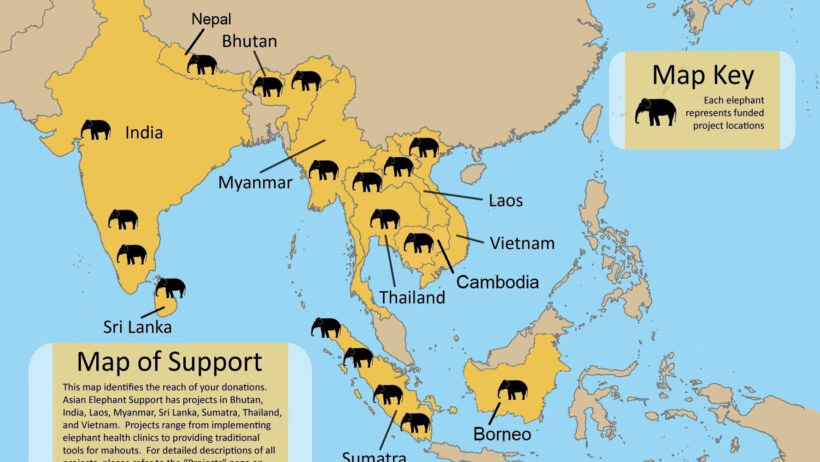
A common observation is that the distribution of Asian elephants is not uniform; they inhabit fragmented habitats primarily in India, Sri Lanka, Bangladesh, Myanmar, Thailand, Laos, Cambodia, and Vietnam. Each of these regions exhibits distinct ecological zones, influencing the local population dynamics of elephants. In India, for instance, approximately 60% of the total Asian elephant population resides, particularly in the northeastern and southern states. Here, they predominantly thrive in forested areas, grasslands, and elephant corridors, but these areas are shrinking due to human encroachment.
As we ponder over the estimated numbers, we must also consider the deeper reasons for our fascination with these animals. Beyond their physical grandeur, elephants are noted for their intricate social structures, profound emotional depth, and notable memory. They display behaviors such as mourning their dead, nurturing their young, and forging complex relationships that resonate with human experiences. Their social intelligence is unparalleled within the animal kingdom, which contributes to the urgency of their conservation.
However, the stark realization of a declining population is often overshadowed by the sheer beauty and intrigue surrounding these creatures. The threats faced by Asian elephants are numerous and multifaceted. Habitat loss, primarily due to agriculture and urbanization, remains the most pressing issue. As forests vanish to make way for human settlements, the elephants are forced into smaller areas, leading to increased human-elephant conflict. This conflict not only jeopardizes the safety of both species but also exacerbates the precariousness of elepant survival.
Poaching, while less significant than habitat loss, is still a substantial threat. Asian elephants are often targeted for their ivory, albeit to a lesser extent than African elephants. Despite international bans, illegal trade continues to flourish, driven by demand for elephant tusks, skin, and other body parts. The lure of profit from the black market delves into the ethical quandaries surrounding wildlife conservation and animal rights. The tragic irony lies in the fact that these magnificent beings are hunted not just for survival but for aesthetic and material interests.
Conservation efforts are crucial in reversing this downward spiral. Organizations around the world are actively engaged in multiple projects aimed at preserving the dwindling population of Asian elephants. Initiatives include habitat restoration, the establishment of wildlife corridors to facilitate safe movement, anti-poaching efforts, and community outreach programs designed to mitigate human-elephant conflict. Education is a powerful tool here; informing local communities about the ecological importance of elephants cultivates coexistence rather than conflict.
Moreover, technological advances in wildlife monitoring have transformed conservation strategies. The use of GPS collars and drone surveillance enhances the ability to track Asian elephants and study their movements comprehensively. This data is invaluable in developing strategies that aim to protect their habitats and ensure their safety from poachers.Innovative conservation programs also emphasize employing local communities in these efforts, providing them with sustainable livelihoods and encouraging a vested interest in the health of local ecosystems.
The plight of the Asian elephant raises a broader question about humanity’s relationship with nature. These magnificent creatures are integral to their ecosystems; their activities help maintain forest health and promote biodiversity. In many cultures, elephants are revered and symbolize strength, wisdom, and loyalty. Their decline echoes a warning, a call to action for all of humanity. By preserving these marvelous beings, we not only save a species but also protect the intricate web of life that sustains us all.
In conclusion, while estimates of the Asian elephant population lurk between 30,000 to 50,000, the implications of these numbers stretch far beyond statistics. The loss of their presence signals a profound loss of biodiversity and threatens the very fabric of environmental stability. The fascination surrounding Asian elephants is rooted in their magnificence, intelligence, and cultural significance, which drives us to strive for their conservation. Looking forward, the responsibility rests on humanity to ensure the survival of Asian elephants in their natural habitats, for their persistence is intrinsically connected to the overall health of our planet.