
The carbon cycle is a fundamental ecological process that governs the movement of carbon through the Earth’s systems, including the atmosphere, biosphere, hydrosphere, and lithosphere. This seemingly complex interaction is not only crucial for maintaining the health of our planet, but it also serves as an existential reminder of the intricate balance that sustains life. As we unravel the components of the carbon cycle, we find ourselves exploring the aquatic carbon cycle—a subset that plays a vital role in regulating atmospheric carbon levels and mitigating climate change.
The terrestrial carbon cycle and its aquatic counterpart may initially appear separate; however, they are deeply interlinked. The terrestrial carbon cycle involves processes such as photosynthesis, respiration, decomposition, and sedimentation. Plants absorb carbon dioxide (CO2) from the atmosphere during photosynthesis and convert it into organic matter. When these plants die, the carbon stored in their tissues is either released back into the atmosphere through decomposition or sequestered in soils and sediments. This perpetual exchange of carbon is crucial for sustaining life on land. Yet, it is the aquatic carbon cycle that compels us to delve deeper, revealing its vital contributions and inherent complexities.
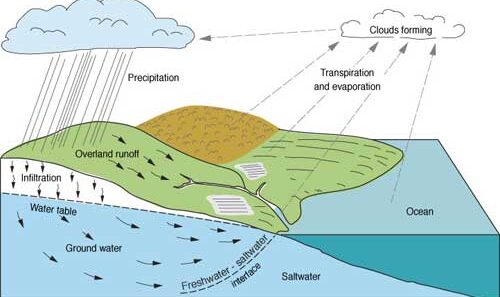
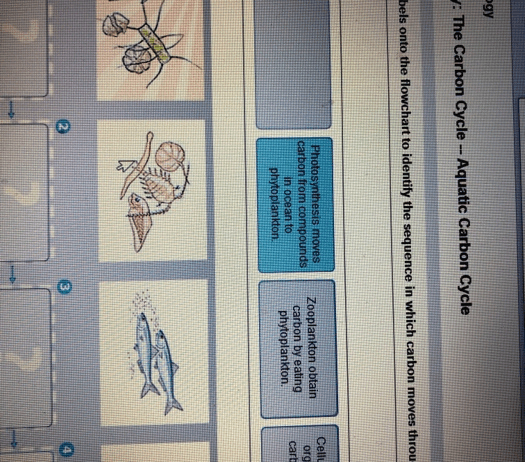
Transitioning from terrestrial realms to aquatic systems opens the door to understanding how vast oceans and freshwater bodies serve as crucial carbon reservoirs. The aquatic carbon cycle encapsulates the various processes through which carbon is exchanged between the atmosphere and aquatic environments. Similar to terrestrial ecosystems, aquatic systems also engage in photosynthesis and respiration. Phytoplankton, the terrestrial equivalent of the ocean’s green plants, initiate the carbon cycle here. Through photosynthesis, they absorb CO2, produce oxygen, and create organic matter, thereby acting as the foundation of the aquatic food web.
To understand the significance of this cycle, we must first consider the sheer volume of carbon stored in our oceans. Approximately 50 times more carbon is held in ocean water than in the atmosphere, making oceans a crucial buffer against climate change. However, rising CO2 levels lead to ocean acidification—a phenomenon that fundamentally alters the chemistry of seawater and disrupts marine life. As CO2 dissolves in ocean water, it forms carbonic acid, which subsequently lowers the pH. This has dire implications for marine organisms, particularly calcifying species like corals and shellfish that rely on stable pH conditions to form their shells and skeletons.
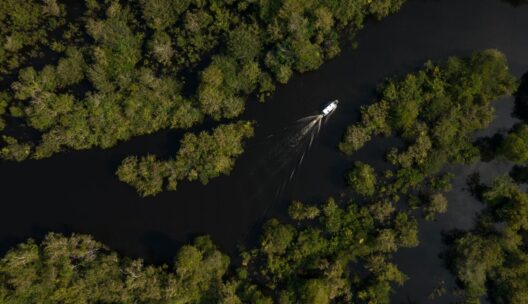
Moreover, the aquatic carbon cycle is not solely confined to the ocean. Freshwater systems, such as lakes, rivers, and wetlands, are equally important in the global carbon dialogue. These aquatic environments often act as dynamic ecosystems where carbon is stored, transformed, and released. Wetlands and mangroves, for instance, are known to sequester more carbon per unit area than most forest types. This makes their conservation and restoration crucial for climate change mitigation strategies. When drained or degraded, these ecosystems can release significant amounts of carbon back into the atmosphere, exacerbating global warming.
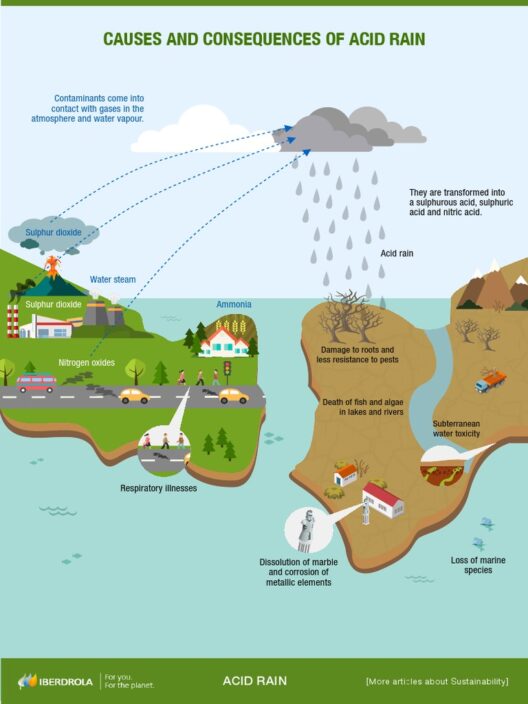
Human activities have profoundly influenced both the terrestrial and aquatic carbon cycles. The burning of fossil fuels, deforestation, and agricultural practices result in unprecedented levels of carbon emissions. These emissions not only increase atmospheric CO2 concentrations but also disrupt natural carbon sinks. Consequently, anthropogenic pressures are evident in changing oceanic and freshwater carbon dynamics. One such example is the phenomenon of eutrophication, where excessive nutrient runoff from agricultural lands leads to algal blooms in water bodies. These blooms can deplete dissolved oxygen levels, causing hypoxic conditions detrimental to aquatic life and further altering carbon cycling processes.
The carbon cycle is a testament to nature’s complexity. Interested observers might ponder: What hidden mechanisms underpin these processes? The answer lies in the myriad of interactions among biotic and abiotic components. Microorganisms play an indispensable role in carbon transformation within aquatic ecosystems. Bacteria and archaea, particularly, are involved in the decomposition of organic matter, facilitating the breakdown and recycling of carbon compounds. Their activities underscore the significance of biodiversity in maintaining the integrity and functionality of the carbon cycle.
Yet, the fascination with the carbon cycle extends beyond mere scientific inquiry. It elicits a sense of interconnectedness among living beings and their environments. By understanding the carbon cycle, one cannot help but appreciate the delicate balance that sustains life. It prompts a critical examination of our role as stewards of the Earth. The quest for sustainability and the implementation of effective carbon management strategies hinge on our ability to recognize the intricate links between our actions and the health of the planet.
In conclusion, the significance of the carbon cycle—both terrestrial and aquatic—cannot be overstated. Our understanding of these cycles is an ever-evolving journey that encompasses environmental science, ecology, and conservation. As human activities continue to exert influence over these natural processes, it becomes paramount for individuals, communities, and nations to embrace sustainable practices. Each action contributes to ripples of change, potentially altering the trajectory of our planet’s climate health. The urgency of addressing climate change underscores the imperative to safeguard both terrestrial and aquatic carbon reservoirs, ensuring that we leave a thriving planet for generations to come.