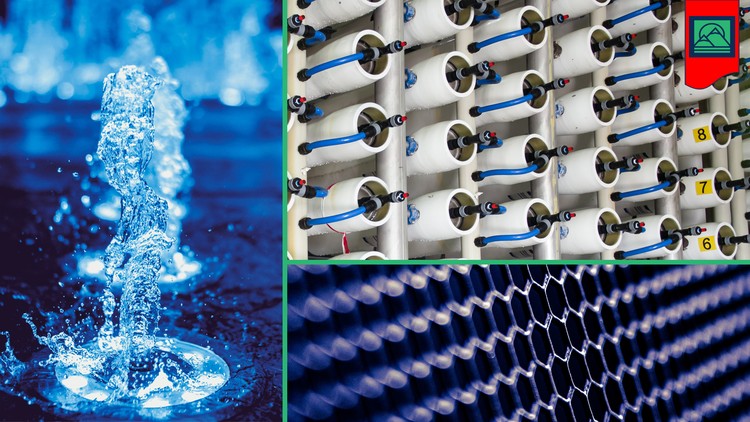

Desalination, the process of converting seawater into potable water, has surged in popularity as a potential solution to the ever-increasing global water scarcity. Amid discussions of its benefits, one provocative question often arises: Can desalination actually lower sea levels? This question invites not just scientific inquiry, but an exploration of the broader implications of water management practices in an era of climate change.
To understand the relationship between desalination and sea levels, it’s essential to unravel the intricate dynamics of both processes. At its core, desalination removes salt and other impurities from seawater, producing freshwater for consumption and irrigation. This water is achieved through methods such as reverse osmosis and distillation, all designed to enhance human usability of briny oceans. However, the impact of this process on sea levels is not as straightforward as one might think.
Theoretically, if desalination were conducted on a scale large enough to produce and extract significant volumes of seawater for human use, one might posit that global sea levels could be impacted. The ocean, they reason, contains vast quantities of water; therefore, removing even a fraction for desalination could contribute to a diminutive, albeit measurable, decrease in the total mass of seawater. Yet, the reality is far more complex.
One must first consider the vastness of the world’s oceans, which cover approximately 71% of the Earth’s surface and contain about 1.332 billion cubic kilometers of water. Even if desalination facilities were to output millions of cubic meters of freshwater daily, the amount extracted would be negligible compared to the ocean’s total volume. Further complicating matters is the fact that much of the desalinated water is not permanently removed from the hydrological cycle; rather, it is used for a variety of purposes—drinking, agriculture, and industrial applications—before ultimately returning to the environment through wastewater systems, potentially re-entering the ocean.
Moreover, the desalination process itself has environmental implications that paradoxically contribute to the very issues it aims to solve. The energy required for desalination is substantial, traditionally derived from fossil fuels, which exacerbates greenhouse gas emissions. Climate change, driven by these emissions, is a primary catalyst behind rising sea levels. As glaciers and polar ice caps melt and thermal expansion occurs due to warming temperatures, the net effect of our energy-intensive desalination methods could indeed counteract any localized benefits it might provide.
In addition to energy consumption, the desalination process generates brine—a highly concentrated salt byproduct that is usually discharged back into the ocean. This brine can disrupt marine ecosystems, lead to higher salinity levels in surrounding waters, and even affect biodiversity. The reintroduction of this byproduct creates a dynamic where the local and regional ecological systems may face more substantial long-term repercussions than the temporary alleviation of freshwater shortages.
However, the discourse surrounding desalination need not end with its drawbacks. Instead, it is crucial to explore the innovations and sustainable practices that are reshaping this narrative. As the world grapples with water scarcity, the pursuit of more energy-efficient desalination technologies is becoming paramount. Research is underway to harness renewable energy sources, such as solar and wind, which could significantly mitigate the carbon footprint of these facilities. Furthermore, the advancement of more efficient filtration systems may reduce both energy consumption and the environmental impacts associated with brine disposal.
The question then arises: if desalination does not serve as a viable method to lower sea levels, what does it promise in the grand scheme of water management? It functions as a stopgap measure in a larger toolkit designed to address the multifaceted challenges of water scarcity and climate resilience. The emphasis must shift towards integrated water resource management, considering not only desalination but also rainwater harvesting, wastewater recycling, and the restoration of natural water cycles.
In this context, desalination appears less as a silver bullet and more as a player in a larger ensemble directed towards harmonizing the relationship between human needs and environmental sustainability. As the global population continues to burgeon, the urgency to innovate in water management practices escalates. Embracing a multi-pronged approach allows societies to address immediate water shortages while making long-term commitments to environmental stewardship.
In conclusion, while the premise of desalination lowering sea levels captures intrigue and debate, the scientific consensus suggests a far more intricate landscape. The massive volume of the ocean coupled with the prevalent practices of brine disposal and energy concerns highlights the limitations of desalination as a solution to sea level challenges. Instead of focusing solely on the extraction of seawater, a more holistic approach to water resource management that embraces sustainability, efficiency, and innovation serves as the pathway forward. The conversation around desalination invites us to reevaluate our relationship with water and ignite curiosity about how best we can protect our planet in the throes of a changing climate.