
Can I own a red panda? This whimsical question dances across the minds of animal lovers and potential pet owners alike. The image of a cuddly, bamboo-munching creature is undeniably charming. However, the ethical, legal, and environmental ramifications of owning a red panda reveal a more intricate tapestry of considerations. This journey will explore whether these enchanting animals can be kept as pets, while addressing the myriad challenges that accompany such a decision.
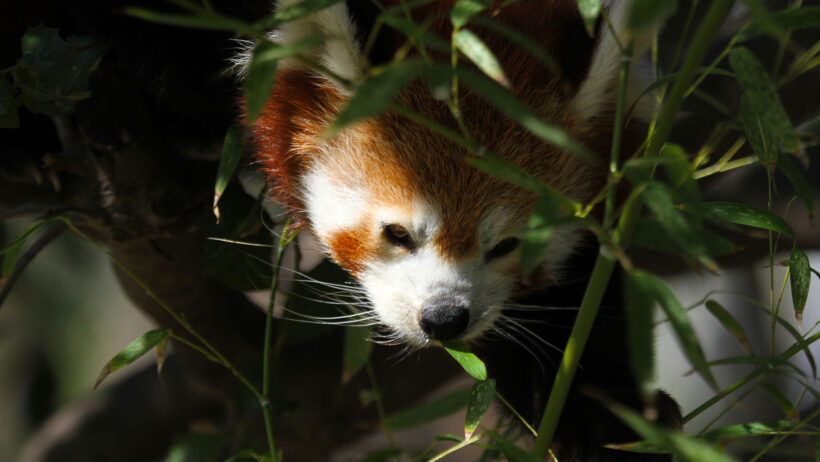
The red panda (Ailurus fulgens) is a small mammal native to the eastern Himalayas and southwestern China. With its distinctive rust-colored fur, bushy tail, and endearing facial markings, it is a mesmerizing species. Unfortunately, despite their captivating charm, there are significant legal challenges associated with owning a red panda.
First and foremost, let’s consider the legality. In many countries, including the United States, red pandas are classified as endangered and are protected under various laws and regulations. The Convention on International Trade in Endangered Species of Wild Fauna and Flora (CITES) prohibits international trade of red pandas without proper permits, making ownership in many regions virtually impossible without specific exemptions. Federal regulations, such as the Animal Welfare Act, set stringent standards about the care and housing of wild animals. These laws exist not merely as bureaucratic hurdles but as crucial protections for vulnerable species that are fighting for survival against habitat loss and poaching.
Now, if you’re residing in a place where owning a red panda is technically permitted, the next question becomes: is it ethical? Ethical concerns regarding ownership of wild animals are increasingly paramount. The exotic pet trade thrives on the allure of unique creatures, yet this trend often leads to dire consequences for their populations in the wild. Capturing wild animals for private ownership can devastate ecosystems, as it removes essential members of their species from natural habitats. Additionally, it contributes to a troubling cycle of breeding programs that prioritize profit over the welfare of the animals involved.
Furthermore, consider the complex needs of red pandas. These creatures are not suited for a life in captivity or small, enclosed spaces. They require expansive territories filled with trees for climbing, diverse vegetation for foraging, and a variety of environmental stimuli. Red pandas are solitary animals, preferring their own company over that of humans. Thus, even if one were to acquire a red panda legally, it may result in exceptional challenges in providing a suitable habitat that meets their innate needs. Where will they climb? What will they munch on? Can your backyard simulate the lush forests of the Himalayas? The reality starkly contrasts the initial fantasy.
The ecological implications of pet ownership extend far beyond personal responsibility. Taking a red panda out of the wild can have rippling effects on the species as a whole. In particular, the presence of red pandas should serve as a reminder of broader conservation efforts necessary to protect their habitats and promote biodiversity. Instead of fostering a desire to own them, we should be directing those energies toward supporting efforts that protect their habitats and raise awareness about their plight
Moreover, owning a red panda may open the proverbial Pandora’s box of legal repercussions. Many individuals who attempt to keep exotic animals as pets find themselves entangled in legal battles and facing the possibility of having their beloved companions taken away. The stress on both the animal and the owner can be tremendous. Regrettably, some people often resort to abandoning or surrendering their exotic pets once the challenges become too burdensome, further exacerbating the issues the species faces.
Additionally, let’s not overlook the issue of health and welfare. Red pandas in the wild are experts at navigating their environment. They are adept climbers and require a natural diet rich in bamboo. However, food availability may differ significantly when in captivity. These dietary needs can lead to malnutrition and assorted health problems if a suitable diet cannot be replicated. Veterinary care for exotic animals is also substantially different from that for domesticated animals, often requiring specialized knowledge and experience. Failure to provide appropriate medical attention can lead to suffering and premature death.
So, why not channel that passion into something more constructive? Rather than fantasizing about owning a red panda, become an advocate for the species. Visit wildlife sanctuaries that care for red pandas, support conservation organizations, or participate in initiatives aimed at habitat preservation. Educate others about the importance of biodiversity and the impact of the exotic pet trade. By shifting the focus from ownership to advocacy, you become part of a solution that prioritizes the well-being of these captivating creatures and their ecosystems.
In conclusion, the playful notion of owning a red panda quickly transforms into a complex discourse on the ethics, legality, and practicality of such an endeavor. While the idea of having your very own red panda might initially appear whimsical, the reality is layered with implications that reflect larger moral questions about human interaction with wildlife. Instead of striving for ownership over these enchanting mammals, let us choose to support their preservation, allowing them to thrive in their natural habitats while celebrating their existence from afar. Embracing the wild spirit of the red panda should not come at the cost of its freedom, but rather through collective efforts to protect and honor its rightful place in the world.