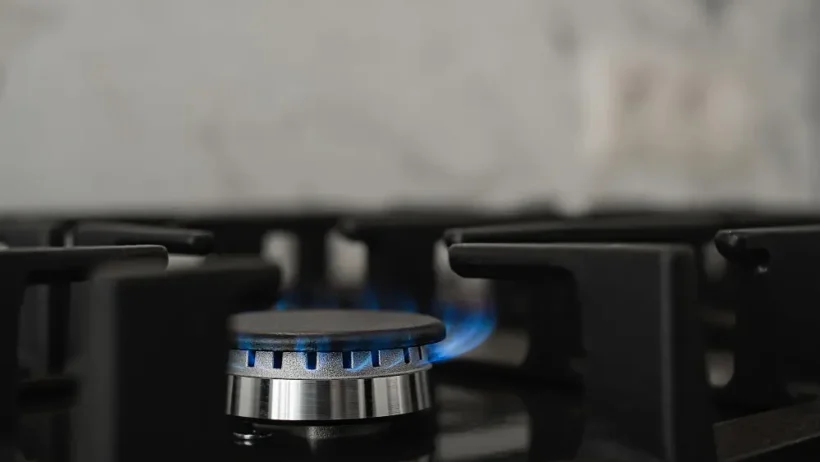

In the grand tapestry of home cooking, the stove serves as the enduring compass, guiding culinary adventurers through an aromatic labyrinth of flavors and textures. As society increasingly pivots towards sustainability, the choice between a gas stove and an electric stove takes on renewed significance. The question arises: can you replace a gas stove with an electric one? This inquiry opens a Pandora’s box of considerations—financial implications, installation intricacies, and environmental ramifications. This article will unfurl a detailed cost guide intended to equip homeowners with the knowledge needed for this transformative journey.
To embark on this exploration, we must first delve into the initial outlay associated with replacing a gas stove with its electric counterpart. The acquisition cost of an electric stove can vary widely, ranging from a modest $400 to upwards of $2,500 for high-end models. Some electric stoves boast advanced features, such as induction technology or smart connectivity, which further elevate their price tags. Conversely, gas stoves, while traditionally less expensive to purchase, often come with installation expenses tied to gas line connections, venting systems, and safety checks.
However, the financial dimension of this transition extends far beyond the mere acquisition cost. Beyond the purchase price lies the subtler realm of long-term operating expenses. Gas stoves are typically more economical to operate in regions where natural gas is abundant and inexpensive. The U.S. Energy Information Administration suggests that gas stoves cost approximately 10-30% less to run compared to electric stoves in specific areas. In contrast, electric stoves offer a predictable energy cost, but the volatility of electricity prices can yield a surprise with each utility bill. Selecting an electric model equipped with energy-efficient ratings can mitigate this, but it takes diligent research.
Installation costs also merit consideration. Replacing a gas stove with an electric version may necessitate a comprehensive reevaluation of your kitchen’s infrastructure. If the kitchen lacks the requisite electrical wiring or outlets, the installation of a dedicated circuit can add anywhere from $200 to $1,000 to the overall budget. Additionally, the existing gas line must be capped, which typically incurs an additional fee, primarily if performed by a licensed professional. Therefore, a complete budget should encompass not just the stove itself but the additional costs of ensuring safety and compliance with local codes.
Transitioning from a gas stove to an electric one also brings forth a unique allure in culinary flexibility. Electric stoves offer a medley of cooking options—radiant, induction, and even convection—each presenting its own symphony of advantages. Induction cooking, for instance, harnesses electromagnetic energy to elevate pots and pans directly while breathing life into a stovetop dance devoid of excess heat loss. The advantage? Faster cooking times and enhanced energy efficiency. Culinary purists may argue that the immediacy and tactile feedback of gas flames remain unmatched. Yet, electric models provide a steady, even heat that fosters a different kind of culinary finesse, favoring simmering sauces and delicate tasks.
Consider also the environmental resonance of this switch. In a world clamoring for sustainability, electric stoves, particularly those powered by renewable energy sources, present a more environmentally friendly identity. Natural gas, while often touted as a cleaner fossil fuel compared to coal, still contributes to greenhouse gas emissions, particularly during extraction and transportation. The shift to an electric stove symbolizes a reclamation of agency over one’s energy consumption, allowing individuals to align their cooking practices with broader ecological goals. In essence, the choice transforms from a mere appliance switch into a concerted effort towards a sustainable lifestyle.
Furthermore, there are numerous health considerations tied to the operation of gas stoves, as they are known to emit indoor pollutants like nitrogen dioxide, carbon monoxide, and formaldehyde. The American Lung Association has cited evidence linking gas appliances to respiratory issues. Transitioning to an electric stove can create a healthier indoor air environment, promoting a sanctuary where culinary creativity flourishes without the specter of harmful emissions.
Yet, the transition is not entirely devoid of challenges. Electric stoves can take longer to heat up and cool down, potentially altering the rhythm of cooking for practitioners accustomed to the immediacy of gas. Furthermore, during power outages, the utility of an electric stove diminishes dramatically, while gas stoves can continue performing their culinary dance, replete with the smell of home-cooked meals wafting through the air. Such reflections must be weighed carefully, particularly for those residing in areas susceptible to outages.
Ultimately, the decision to replace a gas stove with an electric model is a multifaceted consideration infused with both practical and philosophical implications. The choice crystallizes into an amalgamation of budgetary constraints, installation considerations, culinary aspirations, and ethical imperatives. As homeowners navigate these intricacies, the act of cooking gathers new layers of meaning—each meal becoming not only an expression of nourishment but also a testament to personal values.
This journey towards change is akin to the metamorphosis of a caterpillar into a butterfly—challenging yet undeniably transformative. By understanding the intricacies of cost and consequence, individuals can emerge equipped to make an informed decision that will reverberate through their kitchens and echo into the future. Whether one chooses the flicker of gas or the hum of electricity, the act of cooking will undeniably continue to be a mesmerizing art form—one that binds us to our homes and the planet.