
Carbon credits have become a talking point in discussions surrounding environmental sustainability and climate action, but what exactly are they used for? This seemingly straightforward question unravels a complex tapestry intertwined with economics, ecology, and ethical considerations. Imagine a world where individuals and industries can balance their carbon footprint, contributing to a healthier planet. Intrigued? Let’s dive into the multifaceted benefits of carbon credits, along with illustrative examples that bring these concepts to life.
Understanding Carbon Credits
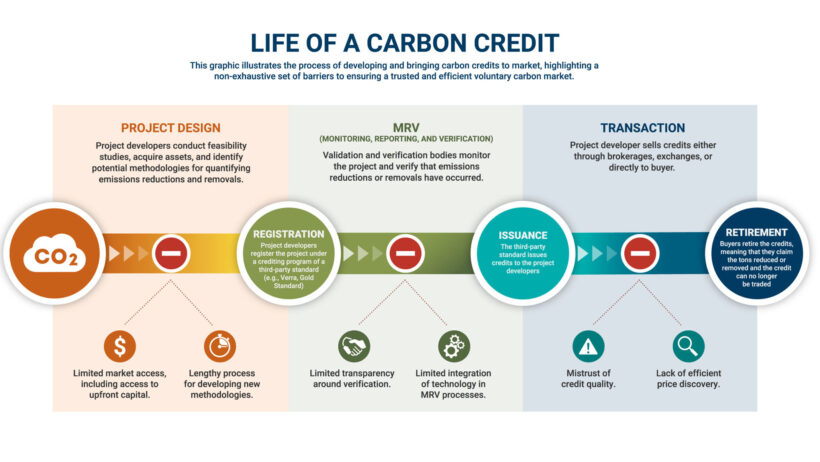
At their core, carbon credits represent a permit that allows the holder to emit a certain amount of carbon dioxide or other greenhouse gases. One carbon credit equates to one metric ton of carbon dioxide emissions. This system is rooted in the philosophy of cap-and-trade, wherein a regulatory body sets a cap on total emissions and allocates credits accordingly. If an entity reduces its emission levels, it can sell its excess credits to others who need them. By illuminating the intricacies of carbon credits, we can elucidate their broader implications for both the environment and society.
Benefit #1: Incentivizing Corporate Responsibility
One of the foremost benefits of carbon credits is their ability to prompt corporations to take responsibility for their emissions. In a market-driven environment, entities are motivated to innovate and implement green technologies. For instance, a manufacturing company that invests in renewable energy to reduce its carbon footprint can generate additional revenue by selling surplus credits on the carbon market. This transmutation of environmental responsibility into financial profitability is a testament to the power of market mechanisms in driving change.
Benefit #2: Funding Renewable Energy Projects
Carbon credits serve as a vital financial resource for renewable energy initiatives. Developments such as wind, solar, and biomass projects benefit from the sale of carbon credits, often making the difference between a proposed project coming to fruition or being shelved indefinitely. Consider the case of a solar farm in a developing country. Through selling carbon credits, the venture attracts much-needed investment to construct solar panels and support local communities by providing clean energy. This exemplifies how carbon credits can foster sustainable development while simultaneously combating climate change.
Benefit #3: Promoting Biodiversity and Conservation
Another profound advantage attributed to carbon credits is their role in promoting biodiversity and conservation efforts. By establishing carbon credit systems linked to forestry projects, funds are channeled into forest preservation, reforestation, and afforestation activities. For example, initiatives like REDD+ (Reducing Emissions from Deforestation and Forest Degradation) create financial incentives for countries and landowners to maintain or restore forest ecosystems. As trees absorb carbon dioxide, these efforts help mitigate climate change while safeguarding diverse flora and fauna. What if more of these initiatives were established globally? The potential for positive ecological impact could be monumental.
Benefit #4: Supporting Sustainable Agriculture
The agricultural sector is significantly affected by climate change, making carbon credits instrumental in fostering sustainable practices. Farmers can earn credits by implementing eco-friendly methodologies, such as no-till farming, crop rotation, and organic farming. A farmer who adopts practices that sequester carbon in the soil can trade carbon credits to fund further improvements. This not only enhances their profitability but contributes to food security and environmental resilience. Could this model be a panacea for struggling farmers in adverse climates?
Examples of Successful Carbon Credit Programs
It’s essential to illustrate these theoretical benefits with real-world examples that showcase their potential. The California Cap-and-Trade Program is a pioneering approach, linking a variety of sectors and demonstrating the efficacy of carbon credits in driving emission reductions. Through this initiative, the state has effectively reduced greenhouse gas emissions, raised funds for renewable energy projects, and engaged a wide array of stakeholders in the process.
Another notable example is the Voluntary Carbon Market, where businesses elect to purchase carbon credits beyond regulatory requirements as part of their corporate social responsibility efforts. Companies like Microsoft have set ambitious carbon neutrality goals and are actively engaging in carbon credit purchases to offset their emissions. This market-driven approach not only exemplifies corporate commitment but demonstrates that sustainability can align seamlessly with business objectives.
The Challenge Ahead
Conclusion: Towards a Sustainable Future
Carbon credits embody a remarkable intersection of environmental stewardship and economic strategy. They offer a pathway to not only mitigate climate change but also empower communities through sustainable development, renewable energy investment, and conservation efforts. However, as we navigate this complex terrain, it is imperative to strike a balance between market dynamics and genuine ecological responsibility. Only then can we harness the true potential of carbon credits to create a sustainable future for generations to come. Every action, from corporations to individuals, plays a role—so what will yours be?