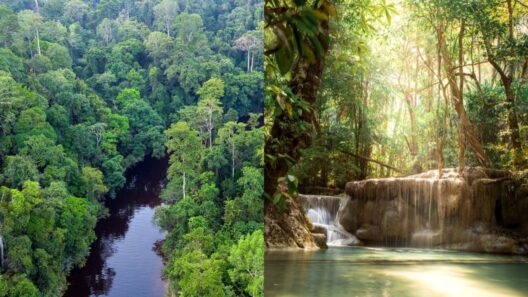

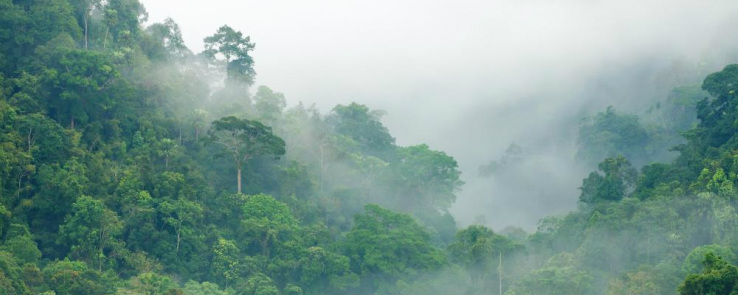

The Congo Basin, a sprawling expanse of verdant wilderness and intricate ecosystems, is characterized by a distinctive climatic tapestry. This region, encompassing the lungs of Africa, is endowed with a complex interplay of rainfall, temperature variations, and distinct seasons that influence both the environment and the livelihoods of countless species, including humans. Understanding the climate of the Congo Basin is crucial not only for environmental conservation efforts but also for predicting the impacts of climate change in one of the world’s most biodiverse areas.
Rainfall Patterns
The Congo Basin is primarily dolled out with two main seasons: the wet season and the dry season. The wet season typically extends from October to May, during which the region experiences a deluge of rainfall. Rainfall is often abundant, with some areas receiving over 2,000 millimeters annually. This colossal quantity of precipitation creates an Amazon-like rainforest environment, fostering the growth of diverse flora and fauna.
In contrast, the dry season, lasting from June to September, sees a marked reduction in precipitation. During this time, the landscape transforms as rivers recede, and certain species adapt to the arid conditions. The variability in rainfall is not uniform throughout the basin; some areas may experience microclimates due to geographical features. For example, mountainous regions often capture more moisture while low-lying areas may see considerable dryness.
Additionally, rainfall in the Congo Basin is influenced by the Intertropical Convergence Zone (ITCZ), a dynamic band of low pressure that shifts with the seasons. This shifting phenomenon results in variability in rainfall intensity and duration across the basin.
Temperature Characteristics
Temperature fluctuations across the Congo Basin are remarkably subtle, thanks to the moderating effect of dense vegetation and vast water bodies. Most of the basin experiences warm temperatures year-round. Average temperatures hover between 25°C to 30°C (77°F to 86°F), though they may dip slightly during the cooler months of the dry season.
The humid subtropical climate, heavily influenced by the dense canopy of the rainforest, helps maintain a relatively consistent temperature profile. However, certain areas at higher elevations can experience cooler climates, providing a contrast to the otherwise warm conditions present in the lowland regions.
Temperature variations also dictate the ecological structure of the region. Tropical species have evolved to thrive within these temperature ranges, leading to unparalleled biodiversity, some of which can be found nowhere else on Earth. The sustained warmth contributes to the steady growing season, allowing various plant species to flourish throughout the year.
Influence of Seasons on Ecosystem Dynamics
The seasonal changes in the Congo Basin are not merely fluctuations in weather; they are pivotal to the survival strategies of the myriad organisms that inhabit this remarkable ecosystem. The wet season heralds a burst of life, as reproductive cycles for many plant and animal species align with the onset of abundant rainfall. Trees, such as the towering mahogany and the environmentally critical kapok, showcase vibrant blooms that attract pollinators, ensuring the cyclical continuation of their species.
During the dry season, however, the challenges of limited water availability reshape behaviors. Many animals enter a state of dormancy, slowing down their metabolic activities to conserve energy. Others, such as elephants and various antelope species, embark on migratory patterns in search of sustenance. These seasonal shifts are crucial in maintaining population dynamics, allowing certain species to flourish while others embrace survival strategies.
Human Adaptation and Impact
The climate in the Congo Basin significantly influences the local communities that depend on its resources for their livelihoods. Many indigenous groups have traditionally engaged in subsistence farming, timing their planting and harvesting cycles according to the seasonal rainfall patterns. However, shifting climatic conditions due to global warming have introduced unpredictability into these time-honored practices.
Deforestation poses another substantial challenge, undermining the natural buffering capacity of the ecosystem. As trees are harvested for timber or cleared for agricultural expansion, the very fabric of this delicate climate system is disrupted. The loss of tree cover not only impacts local rainfall patterns but also leads to increased soil erosion and diminished biodiversity, as habitats are fragmented.
Efforts to restore balance within this climate system have emerged, with reforestation initiatives gaining momentum in recent years. These programs strive to reinstate the natural habitats that have been lost, emphasizing the importance of sustainable practices. As communities adapt their agriculture and forestry management to align with the region’s climatic realities, they discover renewed resilience in their relationships with the forest.
Future of the Congo Basin Climate
The future of the Congo Basin climate is a pressing concern as the effects of climate change continue to unfold. The interplay of global temperature increases and localized weather patterns raises questions about the resilience of this unique ecosystem. Predictions indicate that shifts in rainfall patterns, increased temperatures, and the frequency of extreme weather events may become more pronounced, challenging the delicate balance of life in the basin.
The calls for vigilance are clear. Protecting the Congo Basin’s integrity is not merely a matter of preserving a tropical rainforest; it is a crucial step toward safeguarding global biodiversity, regulating climate, and providing essential resources for future generations. As the impacts of climate change loom, collaborative conservation efforts will be paramount in ensuring a sustainable future for this invaluable ecological treasure.