
In the modern era, our reliance on non-renewable resources has become integral to the functioning of daily life. From fossil fuels powering our vehicles to the coal that keeps industries running, the allure of these resources is undeniable. However, beneath this façade of convenience lie profound environmental and economic risks that warrant thoughtful examination.
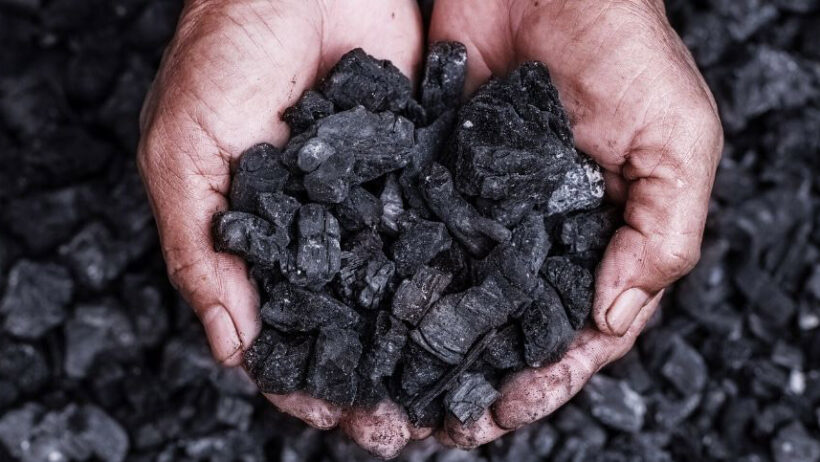
Primarily, the usage of non-renewable resources is closely intertwined with rampant environmental degradation. Extraction processes such as mining and drilling are notorious for their destructive repercussions on ecosystems. For instance, coal mining leads to deforestation, excavating vast swathes of forest cover and obliterating habitats crucial to myriad species. Furthermore, the disruption of land during extraction can initiate soil erosion, sedimentation of nearby waterways, and a loss of biodiversity. These changes present a stark reminder that our quest for energy comes at an incalculable ecological cost.
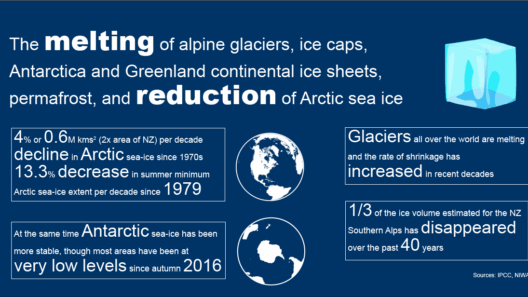
Moreover, the combustion of non-renewable resources contributes significantly to greenhouse gas emissions. The burning of fossil fuels releases carbon dioxide and methane, potent contributors to climate change. This has engendered a climate crisis manifesting in increasingly erratic weather patterns, rising sea levels, and intensified natural disasters. The ramifications of climate change are multifarious, affecting agriculture, threatening water supplies, and endangering human health. They cast a long shadow over communities, particularly those in vulnerable regions, where the fallout can be devastating.
Transitioning towards the economic implications of non-renewable resources reveals further complications. The volatility of fossil fuel markets poses inherent risks to economic stability. Prices can skyrocket due to geopolitical tensions, natural disasters, or sudden shifts in supply and demand. Such fluctuations have a domino effect, impacting everything from the cost of goods to household heating bills. The uncertainty can breed economic instability, leading to layoffs and decreased consumer spending, ultimately stifling growth.
Consider the communities that are chiefly dependent on fossil fuel industries. While these industries provide jobs and stimulate economic activity, they often create a precarious dependency. As global efforts to combat climate change intensify, the risk of job losses in these communities escalates. The prospect of obsolescence in energy sectors poses existential threats to workers who find themselves with dwindling opportunities as the world pivots toward sustainable energy alternatives. This creates a paradox: economies reliant on non-renewable resources face a dual challenge of environmental damage and potential economic collapse.
Furthermore, non-renewable resources often engender socio-political conflicts. The pursuit of these resources can lead to competition, both within nations and globally. The quest for oil in geopolitically sensitive regions has historically led to strife and unrest. As nations vie for control over dwindling reserves, international relations can become hostile, resulting in geopolitical tensions and even conflict. Resources that should serve to nourish prosperity can become catalysts for discord. This reality is unsettling; it reinforces the notion that the extraction and use of non-renewable resources is laden with far-reaching implications.
In addition to conflicts and economic vulnerabilities, the infrastructure that supports the extraction and combustion of non-renewable resources is aging and often inadequate. Oil pipelines degrade, coal mining facilities deteriorate, and gas extraction sites are plagued with leaks and pollution. The maintenance and upgrading of such infrastructure require substantial investment, diverting critical funds from potentially transformative sustainable energy projects. This creates a dilemma; we risk becoming further entrenched in non-renewable energy reliance while delaying necessary advancements in renewable technologies.
This transition dilemma holds significant implications for innovation. The palpable urgency of climate change contrasts sharply with the glacial pace of regulatory change. Governments are increasingly challenged to balance the immediate economic benefits of fossil fuels with the long-term imperative of developing greener alternatives. In many cases, investments in renewable energy solutions remain sidelined due to the entrenched interests of fossil fuel industries. The irony is striking; while non-renewable resources once symbolized progress, they now represent a significant bottleneck in the path toward sustainability.
The concept of energy transition also raises questions about equity. As the world advances towards greener technologies, it becomes imperative to ensure that the transition is just and inclusive. Communities financially tethered to non-renewable industries must not be abandoned; rather, they should be integrated into the conversation as we explore pathways to a sustainable economy. Investing in retraining programs and developing new industries within these communities can help prevent economic disenfranchisement as we pivot to embrace renewable energy sources.
In conclusion, the cons of non-renewable resources extend far beyond mere environmental degradation. Their impact reverberates through the economic fabric of societies while influencing geopolitical dynamics. The risks of ecological disaster, economic volatility, social inequity, and institutional inertia present a compelling case for reevaluating our dependence on these finite resources. As we navigate the complexities surrounding energy production and consumption, it is crucial to engage in a robust dialogue about sustainability, equity, and resilience. The shift towards renewable energies offers a promise of a cleaner, fairer, and more sustainable future, providing not only an impetus for environmental stewardship but also a transformable socioeconomic landscape.