
In an age defined by burgeoning environmental concerns, the global consensus around the perils of single-use plastics has catalyzed an extraordinary movement towards sustainable alternatives. By the year 2026, numerous countries have committed to implementing bans on single-use plastics, a significant metamorphosis that promises not only to reshape consumer habits but also to foster a broader cultural shift towards environmental stewardship. This article delves into the myriad nations taking resolute steps towards sustainable practices, dissecting the motivations behind these bans, the challenges they face, and the anticipated impacts on both the environment and society.
One can hardly ignore the omnipresence of single-use plastics—plastic bags, straws, cutlery, and various packaging materials dominate our daily lives. As awareness burgeons regarding their deleterious effects on marine and terrestrial ecosystems, the tide is turning in favor of more sustainable options. In this narrative, we explore several trailblazing countries that have pledged to eradicate single-use plastics, thereby yielding promising prospects for environmental recovery.
1. The European Union: A Collective Challenge
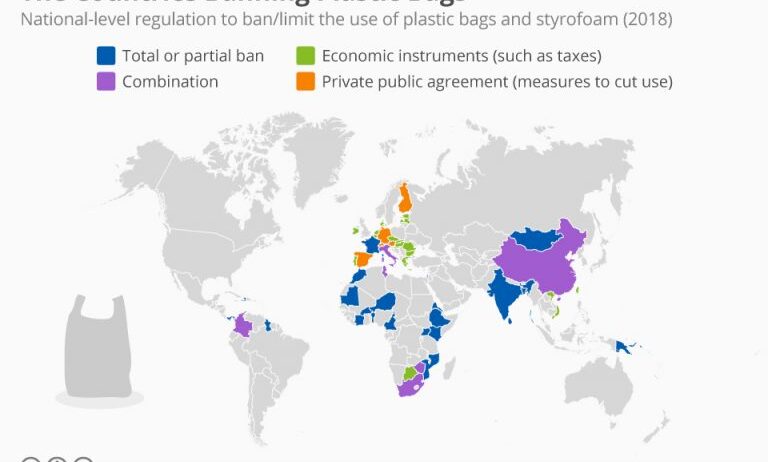
The European Union stands at the forefront of the fight against plastic waste. By 2026, a comprehensive directive aims to eliminate several categories of single-use plastic products. This pioneering legislation is a clarion call for EU member states to take decisive action against pollution exacerbated by plastics. The directive primarily targets items such as plastic cutlery, plates, straws, and cotton buds. As nations within the union implement these changes, they also foster innovation in biodegradable materials and promotion of reusables, heralding an era of conscious consumerism.
Moreover, the EU’s approach is not merely punitive; it incorporates educational initiatives to engender a mindset shift among consumers, encouraging them to adopt sustainable practices. The strategy underscores the notion that the plight of our environment is a shared responsibility, fostering cooperation across borders.
2. Canada: Bold Legislative Moves
Spearheaded by health, environmental, and economic considerations, Canada’s plan aligns perfectly with global sustainability goals. Strategic alliances between governmental bodies, industries, and grassroots organizations are crucial in crafting an effective transition strategy that emphasizes not just compliance, but active participation from citizens.
3. Kenya: A Trailblazer in African Sustainability
Across the African continent, Kenya has made headlines for its groundbreaking legislation. In 2017, the nation instituted one of the world’s most stringent bans on plastic bags, culminating in hefty fines and even imprisonment for violators. By 2026, Kenya plans to extend its ambit of bans to encompass a broader range of single-use items. This extraordinary commitment signifies a profound cultural pivot, as communities increasingly recommit to traditional, sustainable practices.
The success of Kenya’s initial ban has inspired neighboring countries to consider similar legislation, cultivating a collaborative spirit across the region. The transformative power of grassroots movements, buoyed by local advocacy, showcases how even nations grappling with economic constraints can forge ahead to create substantial environmental policy changes.
4. India: Complexity and Commitment
As the world’s second-most populous country, India faces a complex tapestry of challenges regarding plastic waste. By 2026, steps are being taken to bolster the existing bans on single-use plastics, amplifying their scope through updated regulations. The Indian government’s strategy is robust; it includes cleanup drives, public awareness campaigns, and incentives for businesses that develop sustainable packaging solutions.
However, entrenched social and economic factors complicate the enforcement of these bans. The coexistence of thriving informal markets often obscures compliance, necessitating a multifaceted approach that balances enforcement with education and accessibility of alternatives. The narrative of India’s struggle is one of resilience—an intricate dance between tradition, innovation, and modernity.
5. Australia: Embracing Regional Specificity
In Australia, various states and territories are embarking on unique journeys towards phasing out single-use plastics. By 2026, jurisdictions such as New South Wales and Queensland aim to enact stringent bans across diverse product categories. The decentralized nature of government in Australia means that individual states can tailor their approaches to suit local contexts, thus allowing for innovative local solutions while contributing to a unified national goal.
Education is pivotal here, where initiatives aimed at changing consumer behavior accompany legislative measures. The Australian model exemplifies how region-specific strategies can yield successful outcomes while encouraging public engagement and discourse on sustainably-centered lifestyles.
6. The Global Ripple Effect
The collective efforts of these countries signal a global shift towards sustainability. As one nation implements a ban, others are likely to follow, creating a ripple effect that champions collaboration over competition. The interconnectedness of today’s world means that progress in one nation can galvanize action in another, paving the way for a cohesive global movement against plastic waste. Countries refusing to engage in this transformation risk isolation in an increasingly eco-conscious market.
Furthermore, the shift towards banning single-use plastics not only addresses environmental degradation but also cultivates economic opportunities. Innovations in materials, production, and waste management can drive economic growth, creating jobs and fostering sustainable practices across various sectors.
As we look towards 2026, one cannot help but feel a surge of optimism. The collective actions of nations striving to legislate against single-use plastics foreshadow a future where ecological mindfulness becomes ingrained in societal norms. If global entities can continue fostering dialogue, collaboration, and innovation, the journey towards a sustainable future will transform from an arduous task to a shared reality—one plastic ban at a time.