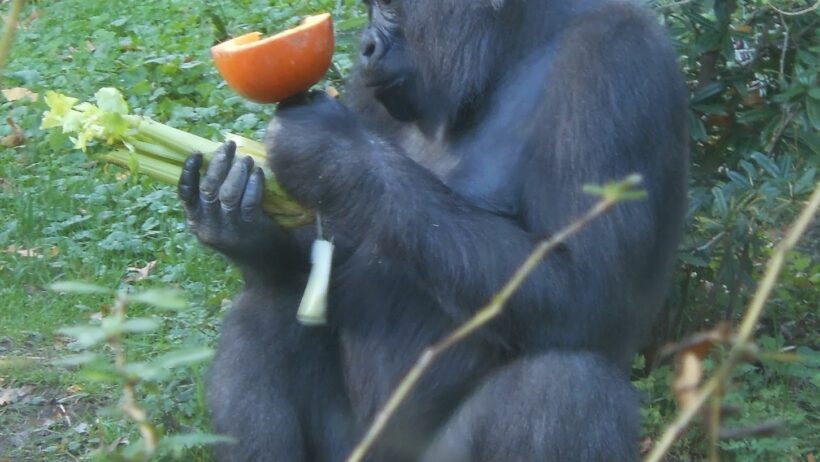

The Cross River gorilla, scientifically known as *Gorilla gorilla diehli*, stands as the most elusive and critically endangered subspecies of gorilla. Nestled within the rugged highlands of the Cameroon-Nigeria border, this primate is shrouded in mystique and has garnered attention as one of the most endangered great apes on the planet. Dwindling habitats, poaching, and disease have all conspired to threaten its survival. The question on everyone’s mind remains: how many of these majestic creatures are left in the wild?
To fully comprehend the plight of the Cross River gorilla, it is crucial to examine its demographic reality. As per the most current estimates, the population of Cross River gorillas is distressingly low, hovering between 200 and 300 individuals. This number is staggering, especially when juxtaposed against the more robust populations of other gorilla subspecies. The reality is that, with every passing year, the survival of these gorillas becomes more tenuous, as habitat loss and human encroachment continue to erode their existence.
In the dense, mountainous jungles where these gorillas reside, the rugged terrain offers limited accessibility, which has arguably shielded them from complete extinction thus far. However, the geographical isolation also leads to a fragmented population, which exacerbates the risks that these animals face. The genetic diversity is extremely limited due to the small size of their groups, making them more susceptible to diseases and reducing their adaptability to changing environmental conditions. This genetic bottleneck is further compounded by the complexities surrounding human-wildlife interactions.
In the context of conservation, it is essential to discuss the various threats looming over the Cross River gorilla population. Habitat encroachment, primarily due to agricultural expansion and logging, remains a primary concern. As local communities require land to cultivate crops, the forests that once served as sanctuaries for these gorillas are slowly diminished. This transformation of land not only displaces gorillas but also diminishes their food supplies, as the flora they depend upon for sustenance is eradicated.
Furthermore, poaching is an omnipresent danger. Despite international laws guarding against the hunting of these magnificent creatures, illegal hunting persists, motivated by the demand for bushmeat and the illicit wildlife trade. Primarily driven by poverty and lack of alternatives, poaching persists as a contradiction to conservation efforts. Educational initiatives aimed at increasing awareness and providing sustainable livelihood alternatives are imperative for easing this pressure on the remaining gorilla populations.
Additionally, disease presents a formidable threat to the Cross River gorillas. Outbreaks of infectious diseases can decimate small populations, especially in the face of already dwindling numbers. The threat of zoonotic diseases, those that can jump from animals to humans, is particularly pronounced. The recent history of pandemics serves as a grim reminder that safeguarding the health of gorilla populations necessitates the protection of both animal and human health. Effective management of wildlife and ensuring a buffer between human habitats and gorilla populations can mitigate such risks.
Given this precarious situation, concerted conservation efforts are crucial. Various organizations and local governments have initiated programs targeting habitat protection and restoration, anti-poaching activities, and community involvement in conservation strategies. For instance, the establishment of protected areas, such as the Cross River National Park, plays a pivotal role in shielding these gorillas from direct human threats. National and international advocacy for increased funding and awareness is imperative to ensure that these protected areas are effectively managed and enforced.
Community engagement is equally vital in these efforts. Local populations are often the first line of defense in conservation. By fostering a sense of ownership and participation in safeguarding their natural environment, grassroots movements can emerge. Programs that promote eco-tourism, for instance, not only provide financial incentives but also highlight the ecological importance of protecting endangered species like the Cross River gorilla. By showcasing the unique biodiversity in the region, communities can benefit economically while simultaneously preserving their local fauna.
Moreover, the role of scientific research in the conservation of the Cross River gorilla cannot be overstated. Studies related to their behavior, genetics, and ecology yield vital information that guides effective conservation strategies. Understanding their social structure, breeding patterns, and habitat preferences allows conservationists to implement tailored solutions addressing specific challenges facing this subspecies. Continued funding and support for field research are paramount to amassing the knowledge required for informed decisions regarding their conservation.
As the world becomes increasingly aware of the fragility of biodiversity, the plight of the Cross River gorilla stands as a poignant reminder of what is at stake. The combination of innovative conservation strategies, community involvement, and scientific research can catalyze positive change for the survival of these magnificent beings. In a world rapidly succumbing to the pitfalls of human expansion, the preservation of the Cross River gorilla is not merely an ecological consideration; it is an ethical imperative that speaks volumes about our commitment to protecting the shared planet we inhabit.
Ultimately, the question of how many Cross River gorillas are left in the wild is not solely a matter of numbers but a reflection of our collective responsibility. Every effort counts in ensuring that these rare gorillas endure, not just for their sake, but for the ecological equilibrium they represent. The story of the Cross River gorilla is not over yet, but the chapters that follow depend heavily on the actions taken today. Ensuring a future for this extraordinary subspecies is a challenge that calls for unwavering dedication and a united front in the battle for biodiversity conservation.