


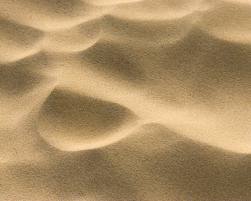

The Sahara Desert, an awe-inspiring expanse of arid land, is the largest hot desert in the world, covering over 9 million square kilometers. This vast landscape, often evoking images of endless sand dunes and stark solitude, is shaped and defined predominantly by its abiotic factors. Understanding these factors is crucial to appreciating not just the desert’s environment, but also the resilience of life within it. The Sahara’s unique characteristics unfold against the backdrop of various abiotic components, each interwoven to form a delicate tapestry of existence.
In the Sahara Desert, temperature ranges are extreme. Daytime temperatures can soar above 50 degrees Celsius (122 degrees Fahrenheit), creating an inhospitable ambient environment. However, this oppressive heat gives way to nighttime chills, with temperatures plummeting to near freezing. This vast thermal fluctuation, a hallmark of desert climates, influences not only the physical landscape but also the adaptive strategies of its inhabitants. Organisms here have evolved remarkable adaptations, such as nocturnal behavior or physiological mechanisms designed to conserve water.
Precipitation is arguably one of the most critical abiotic factors in the Sahara. Rainfall is scarce, averaging between 1 to 3 inches annually. This parched atmosphere contributes to the desert’s characteristic dryness, leading to a significant water deficit. The sporadic rain that does fall is often unpredictable, causing both a surge of life during ephemeral moments and prolonged droughts that can devastate fragile ecosystems. The survival of flora and fauna here hinges on their ability to endure these prolonged dry spells, often resorting to unique strategies such as deep root systems or drought-resistant features.
The role of soils in the Sahara cannot be underestimated. These arid soils, primarily sandy or rocky, are poor in nutrients, which accentuates the challenges faced by plant and animal species. However, within this unyielding substrate lies a surprising adaptability. Certain plants, such as acacias, have developed extensive root systems that reach deep groundwater supplies, enabling them to thrive despite the nutrient-poor conditions. This interplay of life and soil exemplifies nature’s creativity in the face of adversity, urging a deeper reflection on the balance of ecosystem dynamics.
Wind, a formidable force in the Sahara, plays a critical role in shaping its landscape. The pervasive khamsin winds, originating from the north, contribute to the desert’s shifting dunes, sculpting dramatic landscapes that change consistently over time. Wind erosion carves out striking geological features like mesas and buttes, while also distributing sand and dust across wide areas. This movement of particles affects not only the physical appearance of the desert but also the types of vegetation that can survive; only the hardiest plants can withstand the constant barrage. The intricate relationship between wind and land illustrates the relentless power of nature and its capacity for transformation.
Sunlight is another paramount abiotic factor, bathing the Sahara in an abundance of solar radiation. The intensity and duration of sunlight exposure significantly influence temperature variations, biological activity, and photosynthetic processes. Plants situated in this harsh climate have adopted specialized adaptations, such as reflective leaf surfaces or sunken stomata, to mitigate the effects of excessive sunlight. In this relentless exposure to solar energy, one could ponder the intricate balance struck between light and life, and how it dictates the rhythm of survival.
Humidity levels in the Sahara are incredibly low, further compounding the challenges faced by living organisms. This lack of moisture in the air exacerbates the desert’s parched conditions, intensifying the need for water conservation among resident species. Some species, including the fennec fox, have evolved unique physiological traits that allow them to thrive in such a desiccated environment. Equipped with large ears that dissipate heat and an ability to extract moisture from the food they consume, these animals epitomize resilience, proving that life can flourish even in the starkest of climates.
Though often neglected in broader ecological conversations, abiotic factors in the Sahara are not just obstacles; they are defining elements that sustain life. The collaboration between temperature, precipitation, wind, soil, sunlight, and humidity creates a unique environment that both constrains and inspires. Each facet of this interplay unfolds a story of survival, adaptation, and resilience.
This complex relationship warrants a shift in perspective. Rather than viewing abiotic factors solely as limitations, they should be recognized as essential components that foster a form of harmony. The Sahara Desert is not merely a barren wasteland; it is a vibrant ecosystem, teeming with organisms navigating the challenges posed by their surroundings. In this silent struggle for existence, the beauty of the Sahara emerges—not in lush greenery, but in the subtle nuance of life persisting against formidable odds.
As our understanding deepens, so too must our curiosity. The Sahara Desert invites exploration not only of its harsh environments but also into its intricate interdependent systems. Every grain of sand holds a tale of endurance, an ecosystem fighting against adversity. Investing in knowledge about such abiotic factors can pay dividends, opening avenues for broader environmental appreciation and conservation efforts.
Ultimately, the Sahara Desert inspires awe and respect, a testament to nature’s indomitable spirit that demands recognition. The abiotic elements serve as a poignant reminder of the delicate interplay between life and environment, provoking a lasting curiosity that extends beyond the desert’s boundaries.