

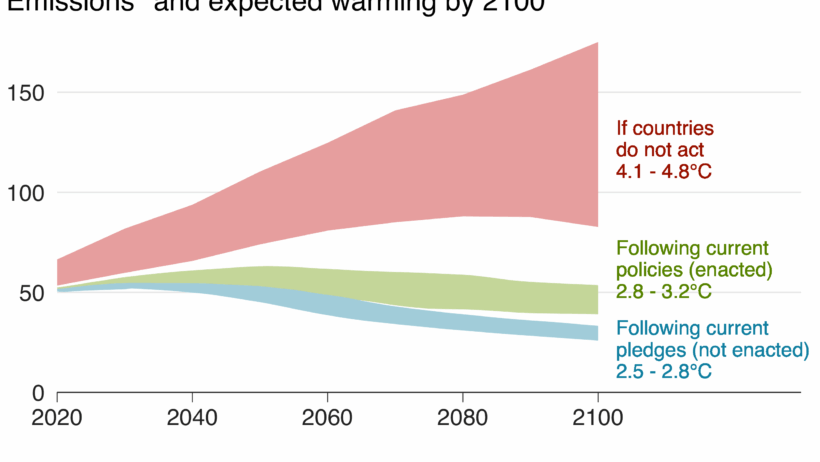

As the world’s thermostat increasingly tilts towards a feverish state, the business landscape in the UK is set to undergo turbulent transformations, akin to a ship navigating through a chaotic ocean. This warming world, fraught with challenges and burgeoning complexities, compels UK industries to rethink their operational paradigms. Understanding the myriad impacts of global warming on various sectors is crucial for fostering resilience and sustainability in the face of an undeniable climatic tempest.
One of the most pronounced effects of climate change is the increase in extreme weather events. Flooding, droughts, and heatwaves are not merely dramatic occurrences; they represent paradigm shifts for industries reliant on predictability. Agriculture, for instance, finds itself at a pivotal crossroads. The UK’s pastoral symphony, once characterized by temperate climates, now faces unpredictable weather patterns that threaten crop yields. Farmers, the stewards of the land, are scrambling to adapt their harvest strategies, seeking solace in drought-resistant crop varieties and innovative irrigation techniques.
The metaphor of agriculture as the backbone of the economy—akin to a tree whose roots intertwine with the very essence of society—rings ever true. Yet, the gnarled roots are increasingly exposed to the harsh realities of fluctuating temperatures. With the National Farmers’ Union cautioning over diminished food security, the agricultural framework is under siege. Disruptions in supply chains have significant ramifications for retail markets, compelling grocery businesses to reconsider sourcing methods and inventory management as climate change redefines best practices.
Transitioning from the fields to the factories, the manufacturing sector presents another compelling chapter in this evolving narrative. Here, climate change engenders both upheaval and opportunity. As energy consumption enters sharp focus amid rising carbon footprints, manufacturers are innovating to reduce energy intensity. The shift toward sustainable practices, such as integrating renewable energy sources and optimizing processes, serves dual purposes: reducing emissions while potentially slashing operational costs.
Take, for instance, the automotive industry, often seen as a sleek, high-octane apparatus hurtling toward the future. However, with the UK’s ambitious targets for net-zero emissions, the sector is compelled to pivot toward electric vehicles (EVs). This metamorphosis, while fraught with challenges surrounding infrastructure development and consumer adaptation, bears the potential to usher in a more sustainable, harmonious existence with our environment. Economically, this paradigm shift is poised to create new job sectors, invigorating the economy and reaffirming the importance of innovation in this warming world.
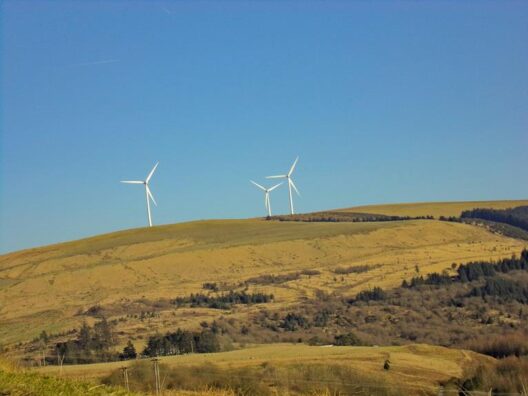
Meanwhile, the energy sector finds itself at the confluence of challenge and opportunity. The traditional reliance on fossil fuels has become as obsolete as a gas lamp in a world of incandescent light. Renewable energy sources like wind, solar, and hydro are not merely buzzwords; they represent the cornerstone of a sustainable future. The UK’s robust investments in offshore wind farms exemplify a commendable strategy that not only mitigates the adverse effects of climate change but also promises energy independence, thus diminishing the economic shackles of fossil fuel dependency.
However, while these industries contort and adapt, they must also reckon with the ever-looming specter of regulatory mandates. Compliance with climate-related legislation demands transparency and accountability, manifesting a new corporate ethos wherein businesses must disclose their environmental impacts. This regulatory landscape acts as a double-edged sword—while it fosters sustainability and ethical operations, it also places additional burdens on businesses that may lack the necessary resources or infrastructural readiness.
Conversely, the financial sector emerges as both an enabler and a challenger. Investors are increasingly seeking to align their portfolios with sustainable practices, emphasizing environmental, social, and governance (ESG) criteria. The influx of green finance is transforming how businesses operate, with companies prioritizing sustainability as a core tenet of their operational ethos. This shift is reshaping the financial landscape, steering capital towards enterprises committed to sustainable development while potentially relegating non-compliant businesses to the fringes of economic viability.
Tourism, a sector that often revels in its picturesque natural backdrops, faces severe existential threats from climate change. With ecosystems undergoing rapid transformation, the quaint landscapes of the UK may not be as quaint a decade from now. Coastal erosion and biodiversity loss can severely detract from the magnetic allure of tourist destinations, compelling industries to engage in adaptive management strategies. Here lies the delicate balance between conservation and commercialisation, as businesses strive to market ecological integrity without compromising the very landscape that draws visitors in droves.
Furthermore, the implications of a warming world extend to human capital and labor dynamics. As climate change exacerbates health concerns—think heat stress, respiratory issues due to pollution, or waterborne diseases—workforce productivity may dwindle. Here, the correlation between employee wellness and productivity becomes apparent; organizations that prioritize climate resilience and environmental health will inevitably foster a robust worker spirit, poised to thrive in uncertain times.
Indeed, the tapestry of UK industries is intricate and ever-evolving, influenced by the rippling effects of climate change. Adaptive strategies, resilience-building methods, and sustainable practices are no longer optional; they are imperatives in a warming world. The interdependence of sectors—from agriculture and manufacturing to energy and tourism—signals a collective responsibility to navigate this uncharted territory.
In conclusion, global warming is not merely a backdrop against which industries operate; it is the inescapable reality prompting a metamorphosis in how businesses conceptualise growth and sustainability. The stories of adaptation and innovation, woven through the fabric of UK industries, highlight a unifying truth: the time to act is now, for the future—a viable, vibrant future—depends on the decisions made in this present moment. As the world heats up, so too must our dedication to creating businesses that are not just resilient but are also champions of sustainability in this warming world.