

In the symphony of sustainability, recycling is a resounding note that reverberates through the very fabric of our energy consumption. It is not merely an activity, but rather a profound catalyst for change, akin to a river that carves its way through stone over time. Understanding how recycling can help save power is akin to peering through a telescope into the vast cosmos—each facet of the process reveals stars of potential waiting to illuminate the path toward a more sustainable future.
The Energy Lifecycle: A Continuum of Consumption
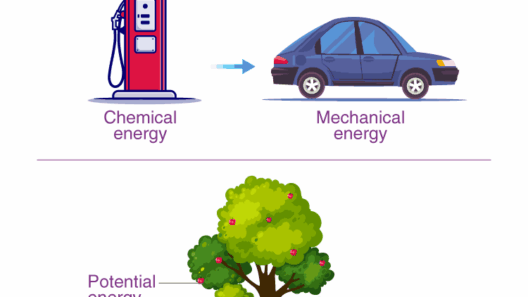
To appreciate the ripple effect of recycling, it is essential to understand the energy lifecycle associated with the production of goods. When a new product is created, energy is consumed at every stage—from extracting raw materials and manufacturing, to transportation and distribution. Each step requires substantial amounts of fossil fuels, often leading to the emission of greenhouse gases. By recycling materials, we interrupt this sequence. Recycling transmutes waste into resources, thereby mitigating the demand for new raw materials and the correlative energy expenditure involved in their acquisition.
For instance, consider the mythical phoenix rising from the ashes. When paper is recycled, it saves approximately 60% of the energy that would ordinarily be required to produce paper from virgin wood. This staggering statistic illustrates that recycling not only reclaims resources but revitalizes the energy economy, leading us to a more resilient and adaptable infrastructure.
The Concrete Benefits of Recycling
The quantified benefits of recycling in terms of energy savings are monumental. According to various studies, recycling a ton of aluminum saves about 14,000 kWh of energy. This is enough electricity to power an average home for about five months! Similarly, recycling plastics can save approximately 88% of the energy that would be consumed when producing new plastics from crude oil. These energy savings translate not only into economic financial relief but also into a significant decrease in carbon emissions.
This interplay between recycling and energy conservation acts as a bulwark against climate change. Each item we recycle is akin to a brick laid in the foundation of a more sustainable society. By reducing the need for energy-intensive production processes, recycling directly contributes to a decrease in our overall carbon footprint. This, in turn, enhances air quality and contributes positively to public health.
Circular Economics: A Paradigm Shift
Recycling serves as a cornerstone in the burgeoning movement toward circular economics, where the life cycle of products is extended beyond their original use. Instead of adhering to a linear ‘take-make-dispose’ model, circular economics emphasizes reusability and sustainability. This paradigm shift not only conserves power but also redefines value extraction in a manner that is symbiotic with ecological integrity.
Imagine a closed-loop system where waste is transformed back into raw materials, embodying the concept of ‘cradle to cradle’ rather than ‘cradle to grave.’ Recycling plays a vital role in this ecosystem, ensuring that resources flow in a continuous cycle, minimizing the need for perpetual energy consumption associated with extracting and processing new raw materials. The transition to this holistic mindset necessitates both individual and collective commitment to recycling, fostering a cultural ethos centered around sustainability.
The Role of Technology in Enhancing Recycling Practices
Advancements in technology have dramatically improved the efficiency and effectiveness of recycling programs. Smart sorting technologies, which employ artificial intelligence and robotics, can discern between different materials more accurately than ever before. This precision maximizes the quality of recycled materials and minimizes contamination, ultimately leading to heightened energy savings in the recycling process itself.
Moreover, innovations in the energy recovery from waste processes—such as converting residual waste into clean energy—further amplify the benefits of recycling. These technologies circumvent the traditional notion of waste as a burden, instead positioning it as a resource capable of generating energy, thus creating a dual benefit: reducing landfill waste while simultaneously generating power. In this manner, recycling transcends its conventional role, evolving into a powerhouse for energy conservation.
Community Engagement and Education: The Human Element
The human factor is pivotal in the mechanics of sustainable practices. Engaging communities through educational outreach fosters a culture of recycling that reverberates through neighborhoods and beyond. When individuals understand the tangible outcomes of their recycling efforts, their unconscious actions begin to forge conscious habits. Community-driven recycling initiatives not only yield environmental benefits but also cultivate a sense of collective responsibility.
In this communal tapestry, each person is a thread woven into a larger narrative advocating for energy conservation. Initiatives like local recycling drives and educational workshops serve to empower individuals with the knowledge that their participation in recycling can lead to significant energy savings on both micro and macro levels. Every single action counts; the small ripple created by an individual can evolve into a tidal wave of change.
Conclusion: A Collective Path Forward
In the grand narrative of energy conservation and climate action, recycling emerges as an indispensable tool. It symbolizes a collective commitment to preserving the planet while enhancing energy efficiency. By understanding how recycling intricately weaves into the energy fabric, individuals and communities can contribute to a future where reliance on non-renewable resources diminishes, ecological balance is restored, and the power of collective action ignites change. Thus, it becomes evident: in the pursuit of a sustainable tomorrow, recycling is not simply an option, but an imperative. The time to embrace this transformative practice is now.