


Have you ever pondered, “What can I do to combat global warming?” It’s a question that many may ask, yet the answers can often feel daunting. However, through collective action and informed decisions, we can mitigate the effects of climate change. Here’s a straightforward guide, presented in uncomplicated terms, detailing how each of us can play a role in slowing global warming. This guide delineates practical strategies that can be seamlessly integrated into daily life.
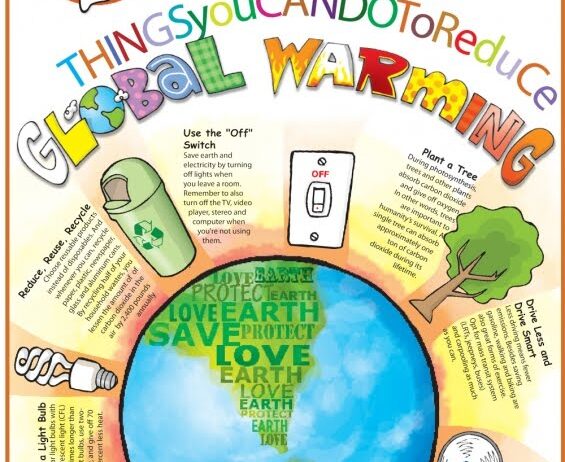
1. Reduce, Reuse, Recycle
Embracing the three R’s is foundational. Start by reducing your consumption. Take a moment to consider each purchase. Do you truly need it? By minimizing unnecessary items, you reduce waste and decrease the demand for production, which is a significant contributor to greenhouse gas emissions.
Next, reuse items whenever feasible. For instance, repurpose glass jars as storage or opt for refillable water bottles. This not only curtails plastic waste but also conserves resources.
Finally, recycle materials like paper, plastics, and metals. This process helps to ensure that used materials are transformed into new products, thus requiring less energy and raw materials.
2. Embrace Sustainable Transportation
Transportation is a substantial contributor to carbon emissions. Consider alternatives to single-passenger vehicles. Public transit, biking, walking, or carpooling can substantially decrease your carbon footprint. Not to mention, these options can also promote a healthier lifestyle. If you must drive, ensure your vehicle is well-maintained. A well-tuned engine runs more efficiently and emits fewer pollutants.
3. Enhance Energy Efficiency at Home
Next, focus on energy consumption within your household. Simple adjustments can yield significant results. Replace incandescent bulbs with LED lights, which consume less energy and have a longer lifespan. Invest in energy-efficient appliances that meet or exceed the standards set by the Energy Star program. Moreover, consider insulation improvements; a well-insulated home retains warmth in winter and cool air in summer, reducing the reliance on heating and cooling systems.
4. Advocate for Renewable Energy
Consider supporting renewable energy sources such as wind, solar, and hydroelectric power. If possible, install solar panels on your property – they provide clean energy and can reduce your electricity bills over time. For renters, consider choosing energy suppliers that offer green energy options. Engaging in discussions about renewable energy in your community can also stimulate broader changes and foster a culture that prioritizes clean energy sources.
5. Conserve Water
Water conservation is vital not only for preserving this precious resource but also for reducing the energy used in water heating. Fix leaks promptly and consider using water-efficient fixtures. Shortening shower times and turning off the tap while brushing your teeth can lead to impressive water savings. Moreover, collecting rainwater for gardening or other non-potable uses can further alleviate the demand on municipal water systems.
6. Adopt a Plant-Based Diet
The food you consume has a tangible impact on the environment. A plant-based diet can dramatically reduce your carbon footprint. Animal agriculture is resource-intensive and generates considerable greenhouse gases. Transitioning to a diet rich in fruits, vegetables, legumes, and grains can foster a healthier planet. Non-meat meals can be both delightful and nutritious, offering the added benefit of enhancing your physical well-being.
7. Support Local Businesses
By procuring goods and services from local businesses, you contribute to the community’s economy while minimizing transportation emissions associated with imported goods. Farmer’s markets, local artisans, and small-scale producers often prioritize sustainable practices. This can be an effective way to reduce your ecological impact while promoting social responsibility and local economies.
8. Educate Yourself and Others
Awareness is the first step towards action. Stay informed about climate change, its effects, and potential solutions. Share this knowledge with friends, family, and your local community. Organizing or participating in discussions or workshops can ignite a collective commitment to addressing climate issues. Empower others to take action, and facilitate a culture of sustainability.
9. Participate in Environmental Initiatives
Get involved with local or national environmental groups. Participating in community clean-up events, tree-planting activities, or advocacy campaigns can bolster your efforts to combat climate change. Collaborative endeavors often yield greater results than individual efforts. Moreover, these initiatives can foster a sense of community and shared purpose.
10. Engage in Political Advocacy
Lastly, consider the importance of advocacy at a political level. Vote for representatives who prioritize climate action and support sustainable policies. Contact your local representatives to express your concerns about climate change, and encourage them to adopt measures that protect the environment. Enacting change on a systemic level is crucial in the fight against global warming.
In conclusion, the question, “How can we stop global warming?” can often feel overwhelming. However, this guide provides a blueprint for action that is digestible and attainable. Each point represents a manageable step that, when enacted collectively, can lead to significant change. By integrating these strategies into your life and inspiring others to do the same, you contribute to a healthier planet for future generations. Remember, every action matters – no matter how small.