

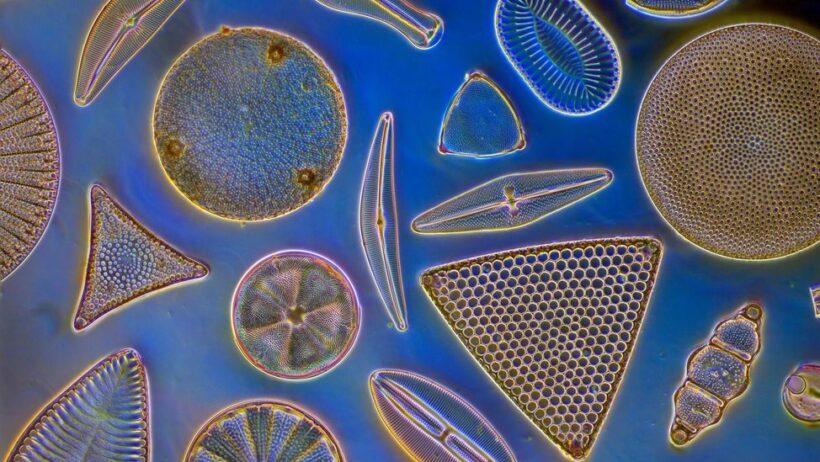

Phytoplankton, the microscopic plants inhabiting the surface waters of the ocean, carry an understated yet monumental responsibility in the Earth’s ecological balance. They are often overlooked, yet these diminutive organisms serve as the linchpin in the global carbon cycle, providing a natural mechanism to mitigate climate change. By understanding their role, we can appreciate how these aquatic microorganisms are essential allies in the fight against global warming.
Phytoplankton perform photosynthesis much like terrestrial plants, absorbing sunlight and converting carbon dioxide and water into glucose and oxygen. This fundamental process captures an astonishing amount of carbon dioxide—a greenhouse gas that contributes significantly to climate change. Estimates suggest that phytoplankton produce approximately 50% of the world’s oxygen. This is no trivial statistic; rather, it reflects their vital role in maintaining atmospheric equilibrium and supporting life on Earth.
During photosynthesis, phytoplankton sequester carbon dioxide from the water column, facilitating a reduction in atmospheric CO2 levels. This carbon is then either used for their growth or, crucially, incorporated into their cellular structure. Once the phytoplankton die, they sink to the ocean floor, creating what scientists term the “biological pump.” This process effectively transports carbon from the surface waters to the deep ocean, where it can remain sequestered for centuries to millennia. Thus, they not only mitigate immediate greenhouse gas emissions but also provide long-term carbon storage solutions.
Moreover, the proficiency of phytoplankton in absorbing CO2 is intricately connected to the ocean’s temperature regulation. The ability of these microorganisms to thrive in diverse marine environments is contingent upon nutrient availability, sunlight, and water temperature. Fluctuations in these parameters—exacerbated by climate change—can lead to shifts in phytoplankton populations, which, in turn, affect the entire marine food web. For instance, warmer oceans can trigger harmful algal blooms, which not only deplete oxygen but also disrupt local ecosystems. Such phenomena underscore the delicate balance we must maintain to support these tiny carbon warriors.
It is equally fascinating to explore the relationship between phytoplankton and marine biodiversity. These microorganisms form the foundational layer of the marine food web, sustaining a multitude of marine organisms ranging from zooplankton to large fish and ultimately the mammals that inhabit our oceans, such as whales and dolphins. Any decline in phytoplankton populations can have cascading repercussions throughout this delicate web. In essence, a thriving population of phytoplankton not only addresses climate change by sequestering carbon but also sustains the oceans’ biological diversity, thereby reinforcing ecological stability.
In examining the relationship between phytoplankton and climate change, it is essential to highlight the role of ocean stratification. As the planet warms, the surface layers of the ocean may absorb more heat, leading to increased stratification. This phenomenon hampers the mixing of nutrient-rich deep waters with warmer surface waters, thereby limiting phytoplankton growth. The ensuing decrease in their population compromises carbon sequestration processes and disrupts the intricate food webs reliant on these microorganisms.
Climate change poses other threats to phytoplankton, including ocean acidification—a direct consequence of increased carbon dioxide absorption by the oceans. As CO2 levels rise, they alter the pH balance of seawater, which can impair the calcification processes of some species of phytoplankton. Consequently, this not only affects their survival but also diminishes their carbon sequestration capabilities, creating a compounded challenge for global efforts to combat climate change.
In recognition of their integral role, efforts are underway to monitor and protect phytoplankton populations. Advanced satellite technology now enables scientists to observe phytoplankton blooms, providing invaluable data on their distribution, density, and health. This information is critical in modeling climate scenarios and understanding the impacts of environmental changes on these tiny organisms.
Public awareness campaigns can also help emphasize the importance of phytoplankton in climate mitigation strategies. Educating the community about the critical role of these microorganisms can foster collective action to combat climate change. Simple measures, such as reducing carbon footprints or supporting sustainable fishing practices, can lead to healthier oceans that support robust phytoplankton populations.
The continued investigation into the capabilities of phytoplankton holds promise for innovative climate solutions. Research is underway to explore the potential for enhancing their growth through nutrient enrichment or bioengineering efforts. Such endeavors may yet unlock even greater carbon sequestration functions—paving the way for novel strategies to counteract anthropogenic climate change.
Phytoplankton encapsulate the undeniable interconnectedness of life on Earth. Their diminutive size belies their colossal influence on climate regulation, marine biodiversity, and overall ecological stability. Recognizing and nurturing these tiny ocean heroes is not merely an academic pursuit. It is, instead, a necessity that could fortify our planet’s resilience against the mounting challenges posed by climate change. As stewards of the environment, we must embrace the complexity of these relationships and reinforce our commitment to a sustainable future.
In conclusion, the narrative of phytoplankton is a potent reminder of nature’s ingenuity in addressing environmental challenges. Our response to climate change must extend beyond the visible. It is essential that we consider the unseen, the microscopic, the oft-ignored champions of our oceans. The survival of phytoplankton is intrinsically linked to our own well-being; not only do they provide essential ecological functions, but they also embody hope in the ongoing efforts to mitigate the pervasive threat of global warming.