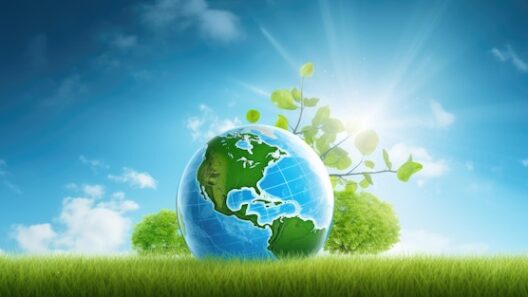



Water conservation is an imperative undertaking that can significantly ameliorate the ever-pressing predicament of global warming. As the planet grapples with escalating temperatures, erratic weather patterns, and environmental degradation, the conservation of H2O emerges as a poignant strategy that not only preserves this precious resource but also plays a pivotal role in mitigating climate change. Understanding the multifaceted relationship between water conservation and global warming is essential for fostering a sustainable future.
To elucidate this relationship, one must first comprehend the water cycle and its intrinsic connection to the environment. Water is not merely a resource; it is a component of the Earth’s biosphere, driving ecological processes that sustain life. Through evapotranspiration, water vapor enters the atmosphere, where it can condense and fall as precipitation. The cyclic nature of water is disrupted when consumption exceeds natural replenishment rates, leading to water scarcity—an alarming reality faced by many regions worldwide.
A crucial aspect of water conservation is its direct correlation with energy usage. The process of extracting, treating, and distributing water is energy-intensive. Therefore, when water is squandered, the energy consumed in its provision also becomes wasteful. This consequential relationship is particularly salient in urban environments, where the demand for water and the carbon emissions associated with its delivery are often underestimated. For instance, energy generation relies heavily on freshwater for cooling processes. As droughts and water shortages increase in prevalence due to climate change, the sustainability of energy resources is jeopardized—further exacerbating global warming.
Moreover, excessive water usage can lead to environmental degradation, particularly in terms of aquifer depletion and loss of aquatic habitats. Rivers, lakes, and wetlands play a critical role in carbon sequestration, filtering pollutants, and providing habitat for diverse species. When these ecosystems are compromised, their ability to combat climate change diminishes, creating a vicious cycle that perpetuates environmental decline. Hence, conserving water translates into preserving these vital ecosystems, thereby enhancing their resilience to climate variation.
Implementing water-saving practices at individual and community levels can engender monumental changes. Simple changes like fixing leaks, installing low-flow fixtures, and embracing drought-resistant landscaping can significantly reduce water consumption. These actions not only alleviate pressure on local water supplies but also decrease energy expenditure associated with water management. For instance, households equipped with water-efficient appliances can reduce their water usage by up to 50%, resulting in substantial reductions in energy bills and carbon emissions.
Educating the community about the importance of water conservation is paramount. Community-driven initiatives can foster an ethos of sustainability. Schools and local organizations can play a transformative role by integrating conservation education into curricula and activities. Awareness campaigns that highlight the interdependence of water conservation and climate change can mobilize community members to adopt sustainable practices.
In urban planning, integrating green infrastructure can have beneficial effects on both water management and climate adaptation. Green roofs, rain gardens, and permeable pavements not only enhance stormwater management but also reduce urban heat. By promoting biodiversity and supporting habitats, these green spaces can also act as carbon sinks, thus contributing to the overall reduction of greenhouse gas emissions.
On a larger scale, policies and regulations that prioritize water conservation are crucial. Governments should establish stricter water-use regulations in industries and agricultural practices, which are often the largest consumers of freshwater. Encouraging the adoption of water-efficient technologies in agriculture, such as drip irrigation and rainwater harvesting, can minimize water wastage and promote agricultural resilience. Furthermore, implementing water pricing strategies can incentivize conservation while ensuring equitable access to this vital resource.
Innovation and technology are at the forefront of advancing water conservation efforts. The development of smart technologies can monitor and manage water usage more efficiently. Internet of Things (IoT) devices can detect leaks in real-time, allowing for immediate corrective actions, while data analytics can forecast water demand and optimize supply management. Embracing these technological advancements can facilitate a more sustainable approach to water resource management, which is imperative in the fight against global warming.
Furthermore, international cooperation is critical in addressing water-related challenges linked to climate change. Rivers and aquifers often transcend national borders, making collaborative management essential. Transboundary water management agreements that promote shared stewardship of water resources can not only enhance water security but also foster diplomatic relations between nations. By recognizing the global dimension of water scarcity, countries can collectively address the pervasive impacts of global warming.
In conclusion, water conservation is intrinsically linked to the effort of combating global warming. Understanding and acting upon the significance of H2O conservation can lead to a more sustainable future. By reducing water waste, protecting aquatic ecosystems, and fostering community engagement, a concerted effort can be made to preserve both the environment and the resources that sustain it. The fight against global warming is multifaceted, and by prioritizing water conservation, society can take a significant step towards ensuring the longevity of life on Earth, mitigating climate impacts, and securing a sustainable existence for generations to come.