
In recent decades, the phrase “global warming” has fallen somewhat out of vogue, replaced by the broader and more encompassing term “climate change.” This transition is not merely semantic; it reflects profound shifts in societal perceptions, scientific discourse, and political landscapes. Understanding why climate change has emerged as the preferred terminology requires an exploration of its nuanced implications, cultural connotations, and the strategic maneuvering within the environmental movement.
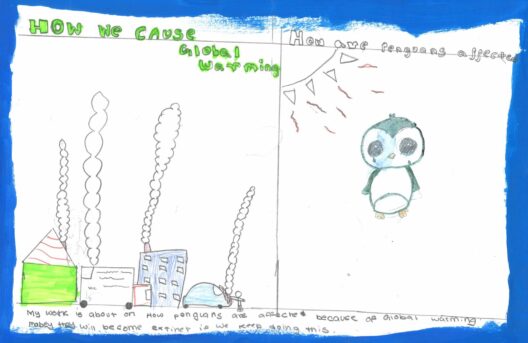
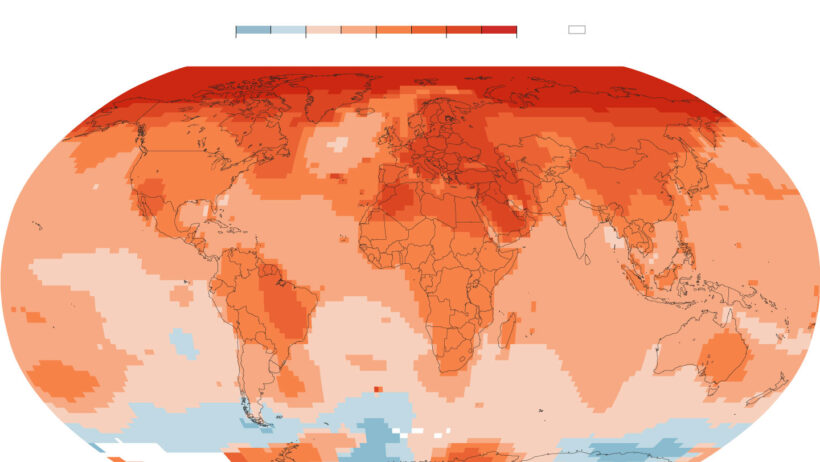
At its core, the term “global warming” pertains explicitly to the rise in Earth’s average surface temperature, primarily caused by the accumulation of greenhouse gases in the atmosphere. This focused terminology could be perceived as alarmist, emphasizing a singular consequence of human activity. Consequently, it invites a fierce emotional response, potentially alienating those who might otherwise engage in climate discussions.
On the contrary, “climate change” elegantly encapsulates a multitude of environmental challenges, including erratic weather patterns, rising sea levels, and shifting ecosystems. This comprehensive term has become a refuge where a variety of environmental issues can coexist, thus fostering broader understanding and acceptance. It recognizes that climate phenomena are complex and multifaceted rather than solely about temperature increases. As a result, it encourages dialogue that encompasses various aspects of the Earth’s health, presenting a more holistic view of environmental degradation.
Integral to this shift is the recognition that political ideologies have far too often dictated the narrative around climate issues. “Global warming” has, in many instances, been politicized; it conjures images of polar bears on melting ice caps, evoking moral responsibility and urgent action that some politicians have resisted. This imagery increasingly polarized public opinion, with skeptics dismissing the term as exaggeration, fueling a culture of denial that hampered constructive discourse.
By contrast, “climate change” offers a less charged and more versatile vernacular. It embodies a spectrum of phenomena and acknowledges the inevitability of natural cycles, thereby appealing to those who might be tentative about the implications of anthropogenic impacts. This shift has allowed for a more inclusive dialogue across the political spectrum. People can engage with the topic from different angles, such as public health, economic stability, and environmental justice, thus sidestepping the entrenched disagreements often provoked by the term “global warming.”
There is also an important psychological dimension to consider. The starkness of “global warming” evokes a degree of urgency that can trigger a defensive reaction. People may feel paralyzed or overwhelmed by the futility of action in the face of such a daunting crisis. The term “climate change,” however, can evoke a sense of hope. It suggests that while the current condition is serious, there is still room for improvement and adaptation. Viewing climate issues as changeable may motivate more individuals to seek solutions rather than succumb to despair.
Additionally, “climate change” demonstrates flexibility within policy frameworks and activism movements. Advocacy strategies can adapt fairly easily to this term, allowing policy-makers to introduce diverse methodologies aimed at addressing a wider scope of climate-related issues. Political initiatives can intertwine economic incentives with environmental goals, creating a tapestry of policies that resonate with voters seeking both mitigation of climate impacts and enhancement of economic stability.
The term has also garnered a broader acceptance among scientists, who often utilize “climate change” in their research and publications to emphasize the array of interlinked environmental factors. This scientific endorsement has democratized the terminology, fostering greater public engagement and understanding. Educational campaigns using “climate change” can elucidate complex scientific phenomena, guiding lay audiences without the inherent bias and imprecision associated with the notion of global warming.
As a narrative evolves, so too does the cultural context surrounding language. The term “climate change” has steadily made its way into mainstream media, resonating with audiences and solidifying its position as the language of the climate movement. It has shifted from a scientific term to a cultural staple—a phenomenon indicative of society’s growing awareness and concern for the planet’s health. Framing environmental challenges using this terminology fosters a sense of gemeinschaft, urging collective responsibility across diverse populations, regardless of their individual beliefs.
In conclusion, the transition from “global warming” to “climate change” reflects a transformation in how society perceives and engages with environmental issues. This nuanced evolution underscores the need for an inclusive dialogue that transcends political polarization, embraces complexity, and instills hope for future generations. The implications of climate change affect all facets of life—from health and economy to culture and equity—demanding a collective response grounded in understanding and cooperation. Only by recognizing and addressing the multifaceted nature of our climate crisis can we hope to navigate toward a sustainable future for our planet.