

When we think of the largest animals that roam the Earth, a sense of awe and wonder often envelops us. Their sheer size and majestic presence challenge our understanding of nature’s capabilities. In this exploration, we will delve into the top ten largest animals in the world, ranked by size, and examine what makes these colossal creatures not just noteworthy but truly remarkable.
1. The Blue Whale
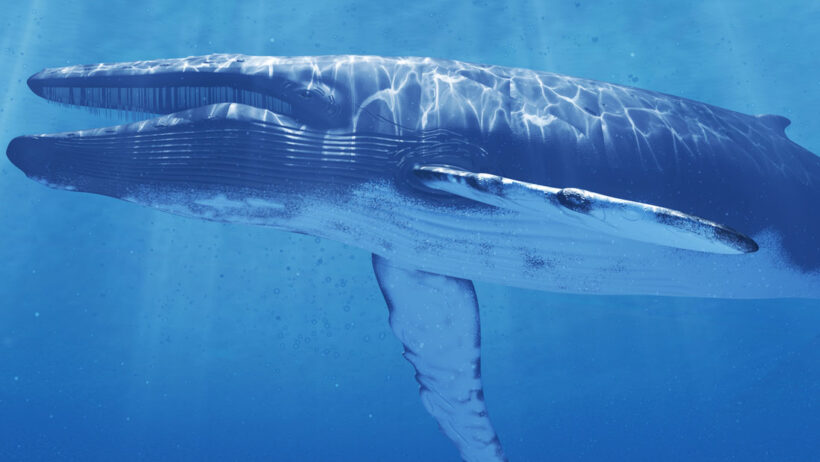
At the apex of the size chart rests the blue whale, the largest animal to have ever existed on our planet. Reaching lengths of up to 100 feet and weighing as much as 200 tons, the blue whale epitomizes the grandeur of the ocean. Its heart alone can weigh as much as a small car, and its size dwarfs that of any dinosaur. What captivates researchers is not solely its size but its ethereal song, which can resonate underwater for miles, creating a haunting symphony in the vastness of the sea.
2. The Fin Whale
Following closely is the fin whale, measuring between 70 to 85 feet in length and weighing between 50 to 80 tons. Known as the “greyhound of the sea,” this cetacean is admired for its remarkable speed and agility. It possesses a streamlined body and is distinguished by its long, slender shape. This sheer grace in contrast to its colossal dimensions invites curiosity about its lifestyle and hunting mechanisms.
3. The Giant Sperm Whale
The sperm whale, the largest toothed predator, can reach up to 60 feet and can weigh over 45 tons. Its elongated head accounts for approximately one-third of its entire length. The fascinating aspect of the sperm whale is its ability to dive to depths of over 10,000 feet in pursuit of prey. This profound adaptability showcases the evolutionary ingenuity of species that thrive in extreme environments.
4. The Northern Right Whale
Measuring approximately 49 to 56 feet and weighing around 50 tons, the northern right whale is distinguished by its robust body and lack of dorsal fin. While its size may not rival its blue counterpart, it captivates viewers with its gentle demeanor and striking appearance marked by callosities. Once hunted almost to extinction, the plight of the northern right whale serves as a poignant reminder of humanity’s impact on marine life.
5. The Bowhead Whale
Next on the list is the bowhead whale, a remarkable Arctic resident that can measure up to 60 feet and weigh between 75 to 100 tons. With its thick blubber and distinctive bow-shaped head, this species is adept at navigating icy waters. Its longevity is particularly astonishing; bowhead whales are known to live over 200 years, making them one of the longest-living mammals. This longevity opens a window into ecological history, as these creatures may witness significant changes in their environment throughout their lifetime.
6. The Humpback Whale
The humpback whale, with its iconic pectoral fins and acrobatic breaches, can grow up to 50 feet in length and weigh about 40 tons. Renowned for their complex songs and dynamic behaviors, humpbacks participate in intricate social structures. Their migratory patterns—from feeding in colder waters to breeding in warmer regions—demonstrate an incredible adaptability to environmental changes. Each year, their journey celebrates the bond between survival and seasonal cycles.
7. The Colossal Squid
Far beneath the waves lurks the colossal squid, a behemoth of the deep. Although not extensively studied, it can reach lengths of up to 43 feet. With its tentacles covered in suction cups and unique bioluminescent features, the colossal squid embodies the mysteries of ocean life. As a formidable predator, its existence spurs fascination regarding the uncharted territories of the ocean and the creatures that elude human understanding.
8. The Elephant
Transitioning from marine to terrestrial giants, we encounter the African elephant, the largest land animal, standing up to 13 feet tall and weighing between 5,000 to 14,000 pounds. Elephants are celebrated not only for their grandeur but also for their intelligence and complex social structures. They exhibit profound emotional connections, demonstrating empathy and distress in response to loss. Their decline due to poaching and habitat loss underscores the need for conservation efforts.
9. The Hippopotamus
In close competition with the elephant, the hippopotamus remains a colossal mammal. Measuring about 10 to 16 feet and weighing up to 4,000 pounds, these semi-aquatic creatures are often misunderstood. Despite their seemingly docile appearance, hippos are among the most dangerous animals in Africa. Their voracious appetite for vegetation and territorial nature accentuate the delicate balance of nature’s ecosystems.
10. The Giraffe
Concluding our list is the giraffe, an iconic symbol of the savanna. Statured at an impressive height of 18 feet, the giraffe’s long neck, adapted for browsing treetops, captures the essence of evolution’s attempts to overcome physical limitations. Their unique spots provide camouflage from predators, making them a living testament to the intricate relationship between form and function in the animal kingdom.
As we reflect on these titanic beings, it becomes evident that their size often invites deeper contemplation about survival, adaptation, and ecological balance. Each of these animals plays a crucial role in their respective habitats, providing insight into the biodiversity that fuels our planet. Their existence prompts us to consider the ethical implications of our actions and our responsibility to preserve such wonders for generations to come. In contemplating the enormities of the natural world, we foster a profound respect for the intricate tapestry of life that binds us all.