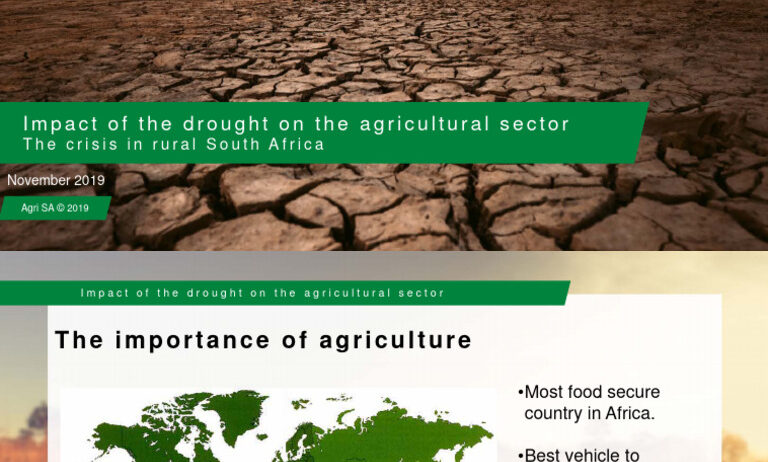

The phenomenon of drought has long been a harrowing reality for agricultural sectors worldwide. As the Earth’s climate fluctuates, drought events seem to intensify, casting a shadow over our ability to produce food. While the immediate effects of drought are visible—diminished crop yields, shriveled livestock, and parched lands—there is a more profound tapestry woven into the challenges it presents for agriculture. This article delves into the multifaceted relationship between drought and the supply of agricultural products, exploring both the visible consequences and the intricate mechanisms that precipitate a decrease in agricultural supply.
At the outset, it is essential to comprehend the basic processes of agricultural production. Plants rely on water for germination, nutrient uptake, and photosynthesis. When drought strikes, it disrupts these processes, profoundly diminishing the viability of crops. The impediment to photosynthesis leads to a decrease in growth rates and yields, and the resulting water stress causes plants to enter a state of dormancy. This is merely the first layer of the implications of drought on agricultural supply.
Moreover, drought can precipitate dire consequences for soil health. A critical observation in sustainable agriculture is that healthy soil is fundamental to productive farming. Drought conditions often lead to erosion, nutrient depletion, and the degradation of soil structure. As the soil loses its moisture-retaining capacity, its ability to support plant life deteriorates. The increasingly barren land can create a vicious cycle—poorer soil conditions make plants more susceptible to disease, further curtailing agricultural output.
In addition to the biophysical impacts of drought, there exist numerous socio-economic implications that resonate within agricultural systems. Many farmers, particularly smallholder ones, are ill-prepared for the financial ramifications of prolonged drought. Increased production costs due to the need for irrigation or alternative watering methods can escalate quickly. When water becomes scarce, competition for this vital resource can lead to inflated costs. This financial strain limits farmers’ ability to invest in crop diversification or adopt drought-resistant agricultural practices. Consequently, the agricultural supply chain becomes more vulnerable, exacerbating shortages of basic food commodities.
The intricate relationship between drought and agricultural products further extends into the realm of market dynamics. When drought conditions prevail in a significant agricultural region, often larger markets feel the aftershocks—prices surge, and consumers find themselves facing higher grocery bills. As supply diminishes, demand often remains unyielding; this dichotomy can lead to inflation in agricultural commodities that ripple throughout the economy. The interplay between drought-induced scarcity and economic viability creates a multifaceted problem that transcends mere agricultural outputs.
Furthermore, drought’s implications extend beyond traditional crops. Livestock producers face unique challenges when water scarcity strikes. Animals require consistent access to drinking water and forage; without these, animal health and productivity are jeopardized. Lower milk yields, weight loss in livestock, and increased mortality rates are just a few consequences that chip away at agricultural supply. The emotional and financial toll this takes on livestock farmers is monumental, leading many to make heartbreaking decisions about culling herds and abandoning livestock breeding altogether.
One must also consider the overarching frameworks guiding agricultural practices. Climate change, as a latent force, exacerbates the frequency and intensity of droughts. As global temperatures rise, the likelihood of prolonged drought periods also increases. In regions already susceptible to dry conditions, this can lead to a re-evaluation of agricultural policies and practices. Failure to adapt can result in systemic shocks to agricultural supply. Such a predicament does not only challenge producers but also tests the resilience of local and global food systems.
In addressing the common observation that drought diminishes agricultural supply, one cannot overlook the interconnectedness of our ecosystems. For instance, drought conditions often lead to groundwater depletion as farmers attempt to sustain crop yields through irrigation. This overexploitation of water resources is not a sustainable solution; it further diminishes water tables, creating an exacerbating cycle that threatens the future of agricultural production.
Societal implications are also profound. As food supply wanes, food security becomes a pressing concern worldwide. In developing nations, where agricultural production is often the backbone of the economy, drought can lead to malnutrition and food shortages, engendering widespread socio-political unrest. The interplay between drought, agriculture, and society underlines the vital importance of developing robust strategies for drought resilience and adaptation.
To conclude, the relationship between drought and the supply of agricultural products is both complex and critical. From soil health to economic viability, animals and overall food security, each facet interlinks to reveal the urgent need for proactive measures. Understanding these connections is essential for fostering a sustainable agricultural future—one that effectively mitigates the effects of drought and preserves the vital resources upon which we all rely. Only by addressing the systemic vulnerabilities can societies hope to build resilience against the daunting specter of drought.