

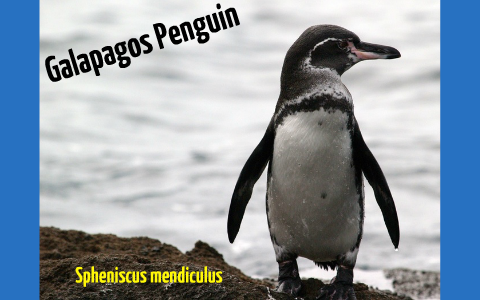

The Galapagos Penguin (Spheniscus mendiculus) is a remarkable species, uniquely adapted to thrive in the often chilly waters of the Galapagos Islands. Unlike many of its relatives, this small penguin displays a set of fascinating adaptations that allow it to not only survive but flourish in a habitat that presents several challenges. Understanding these adaptations reveals the intricate balance between organism and environment, showcasing the resilience of life in the face of the elements.
One of the most noteworthy adaptations of the Galapagos Penguin is its plumage. The feathers of this penguin are not only waterproof but also exceptionally insulating. A dense layer of downy feathers lies beneath the outer feathers, acting as a thermal barrier against the cold marine waters. This adaptation is crucial as the waters surrounding the Galapagos are influenced by the cold Humboldt Current, which flows northward along the coast of South America. The penguin’s ability to keep warm in these frigid conditions is vital for its survival and plays a pivotal role in its overall energy conservation.
In relation to thermoregulation, the Galapagos Penguin exhibits a behavior known as “flying” through water. This structural adaptation is facilitated by its streamlined body, which minimizes drag, allowing for swift and agile movements underwater. It compensates for the colder temperatures by increasing its foraging efficiency; through rapid dives, it can hunt for fish and other marine organisms more effectively. This adaptation is particularly significant because it directly correlates with the penguin’s ability to access vital nutrients, which are crucial for maintaining energy levels.
Another remarkable aspect of the Galapagos Penguin’s adaptability lies in its behavioral characteristics. The species exhibits a unique nesting strategy; instead of nesting on exposed beaches, where they would be vulnerable to extreme heat and predators, they prefer to nest in rocky crevices and under vegetation. This behavior not only provides shelter from the elements but also a degree of safety from potential threats. Such nesting habits demonstrate a profound understanding of habitat utilization, showcasing an innate intelligence that has evolved over generations.
In addition to nesting, communication plays an essential role in the survival of the Galapagos Penguin. They have developed several vocalizations and displays to communicate with one another effectively. These social interactions are crucial during the breeding season, where pair bonding and parental care take precedence. The ability to communicate within their often tumultuous habitat fosters social cohesion, enabling them to work collectively in searching for food and rearing their young.
Furthermore, the Galapagos Penguin has shown remarkable feats of physiological adaptation. One interesting adaptation is the ability of these penguins to tolerate changes in salinity and temperature, particularly when foraging. Weaving in and out of both marine and nearshore habitats, the Galapagos Penguin has developed specialized salt glands located above their eyes. These glands excrete excess salt, ensuring that they maintain proper hydration levels. Such a physiological adaptation is crucial, given the high salinity of the seawater they encounter regularly.
When it comes to feeding habits, the Galapagos Penguin has adapted its foraging techniques to exploit locally available prey. They primarily consume small fish, such as mullet and sardines, as well as crustaceans. The ability to dive deep — sometimes reaching depths of over 20 meters — allows them to access different layers of the ocean, increasing their chances of finding food. This behavioral flexibility is a testament to the species’ resilience and the dynamic interplay with their environment.
Another intriguing aspect of the Galapagos Penguin’s adaptations is its reproductive strategy. This species is known to breed year-round, a distinct advantage given the less stable climatic conditions of its habitat. Breeding year-round allows for greater flexibility in timing, enabling them to capitalize on the availability of food resources and favorable environmental conditions. This adaptation directly impacts juvenile survival rates, which is critical for maintaining populations.
Despite its impressive adaptations to cold waters, the Galapagos Penguin faces numerous threats that could jeopardize its survival. Climate change, with rising sea temperatures, altering prey availability, and habitat loss due to increasing human activity, continuously challenges their adaptations. Conservation efforts are underway to ensure these remarkable creatures can persist in their native habitat. By understanding their unique adaptations and the threats they face, we can work towards creating a more sustainable future for the Galapagos Penguin and the surrounding marine ecosystem.
In conclusion, the Galapagos Penguin represents a stunning example of adaptation in a cold water environment. From their specialized plumage for insulation and their remarkable foraging behavior to their ingenious nesting strategies, these birds epitomize the resilience of nature. Their unique adaptations have allowed them to survive and thrive, transforming them into an iconic symbol of the Galapagos Islands. As we navigate through the complexities of environmental change, the need to protect such species becomes undeniably clear, and the survival of the Galapagos Penguin serves as a poignant reminder of the fragility and beauty of our world’s ecosystems.