The concept of invasiveness in ecology traditionally evokes imagery of fervent weeds sprawling across the ground, or voracious predatory animals disrupting local ecosystems. However, lurking beneath this surface is a contentious debate: Are humans themselves the most invasive species? This question necessitates an exploration of human impact on the environment, the various ways we alter ecosystems, and the profound consequences of these alterations on biodiversity and ecological balance.
The Defining Characteristics of Invasive Species
To unravel the debate, it’s essential first to delineate what constitutes an invasive species. Typically, invasive species are non-native organisms introduced to a new environment where they proliferate, often leading to the detriment of indigenous species. They tend to propagate rapidly, displacing native life forms and altering habitats. With these characteristics in mind, one should consider whether humans exhibit similar traits through their actions and innovations across the globe.
Habitat Destruction: A Hallmark of Invasive Behavior
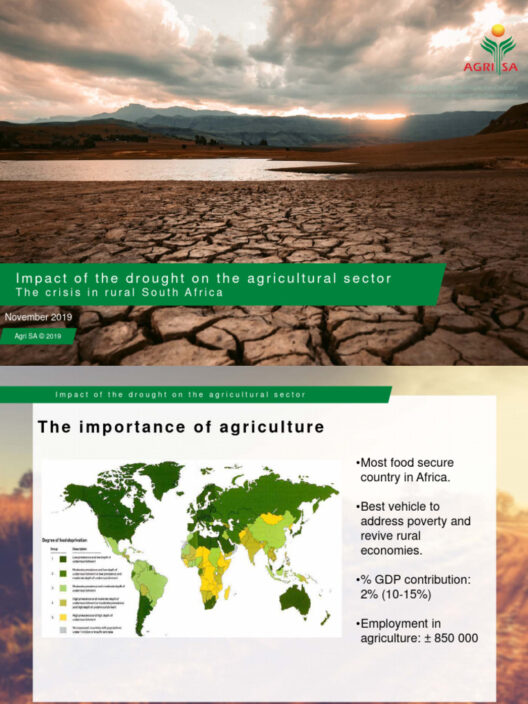
One of the most striking similarities between humans and invasive species is our tendency to destroy habitats. Urbanization is perhaps the clearest example. As cities expand, forests are felled, wetlands drained, and natural landscapes disintegrate. This relentless alteration of land not only displaces countless species but also disrupts ecological processes. For instance, deforestation contributes to soil erosion, alters local climate conditions, and diminishes biodiversity—all hallmarks of invasive species dynamics.
Pollution: An Unseen Invader
Yet, habitat destruction is only one facet of human impact. Pollution represents another, more insidious form of invasion. Industrial activities release toxins into the air, water, and soil, introducing chemicals that native flora and fauna are ill-equipped to handle. The proliferation of plastics and microplastics in oceans serves as a stark example of how human-generated waste infiltrates ecosystems, impacting marine life and leading to a cascade of effects throughout the food chain. Just as invasive species outcompete local organisms for resources, so too does pollution compromise the survival of native species.
Climate Change: The Global Invasive Agent
Equally significant is climate change, driven predominantly by human activities such as burning fossil fuels and deforestation. The resultant changes in global temperatures, precipitation patterns, and sea levels create a milieu in which many native species cannot adapt fast enough. As a consequence, habitats shift and existing communities are destabilized, mirroring the behavior of invasive species that thrive in disturbed environments. Furthermore, climate change facilitates the introduction of new invasive species, further complicating the ecological web.
Introduction of Non-Native Species
In a more direct manner, humans have historically introduced non-native species, both intentionally and unintentionally. From agricultural practices to ornamental horticulture, these introductions often lead to ecological upheaval. The introduction of species such as the Asian carp in North America exemplifies how human actions—aimed at enhancing sport fishing—can inflict significant damage on local ecosystems. The invasive tendencies of these introduced species highlight a paradox: in our pursuit of progress and enrichment, we often act as agents of disruption.
Resource Consumption and Overexploitation
Another dimension to consider is the consumption of natural resources. Human societies have fostered environments of excessive consumption, leading to overexploitation of species and natural habitats. Overfishing, hunting, and deforestation drain ecosystems of vital resources, leaving behind a skeletal framework of what once thrived. In many ways, resource depletion mirrors the voracity of invasive species that monopolize resources and undermine the delicate fabric of ecological interdependence.
Human Behavior as a Cultural Phenomenon
Moreover, it is human behavior, shaped by cultural narratives and economic imperatives, that perpetuates invasive qualities. Societies driven by growth and expansion often dismiss the ecological ramifications of their pursuits. This cultural inclination mirrors the unchecked proliferation of invasive species—driven by survival instincts, competition, and opportunistic behaviors. The omnipresence of consumerism fuels detrimental practices and prompts a disconnect from the very ecosystems that sustain life.
Can Humans Reform? A Path Forward
Given the undeniable parallels drawn between invasive species behavior and human actions, one must ponder if reform is plausible. Is it possible for humanity to transcend its invasive tendencies? Sustainable practices provide glimmers of hope. Through conservation efforts, restorative agriculture, and ecological awareness, communities can collectively forge pathways that prioritize ecosystem health. Rewilding initiatives, habitat restoration, and the adoption of sustainable consumption habits illustrate steps we can take to mitigate our invasive traits.
Conclusion: A Deep Reflection
As the dialogue continues around the implications of human existence on Earth, reflecting on the invasive nature of our species becomes all the more pressing. It serves as a sobering reminder of our responsibilities as stewards of the planet. By engaging in sustainable practices and advocating for ecological justice, we can begin to reshape our legacy from invasive destroyers to conscientious caretakers. The challenge lies in recognizing the transformative power we possess—either as a force of destruction or as vital agents of recovery. The choice remains within our grasp.