


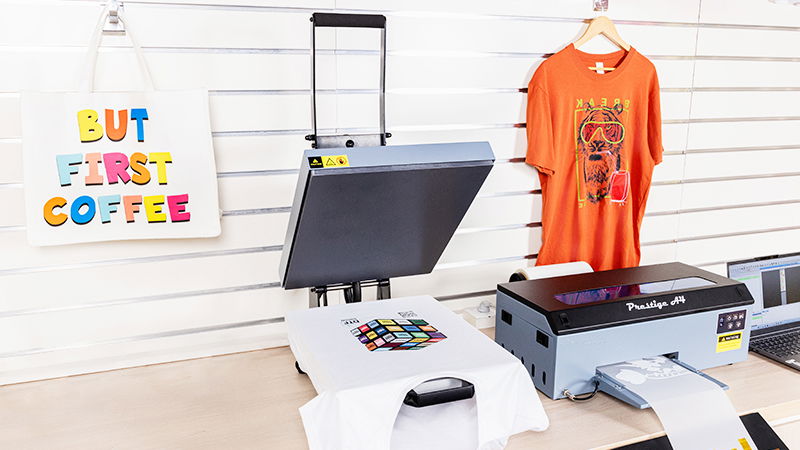

In the vibrant realm of fabric arts and DIY projects, the question of whether one can heat press on 100% polyester fabric is frequently posed. As polyester continues to rise in popularity due to its durability and versatility, the heat pressing technique serves as an alluring option for fashion enthusiasts and crafters alike. However, the answer to this query is nuanced, transcending mere functionality, and delving into the intricate relationship between materials, methods, and the underlying science of heat application.
The fundamental principle of heat pressing involves applying heat and pressure to transfer an image or design onto fabric using a specialized machine. This method is lauded not only for its precision but also for its capacity to yield vivid results. Moreover, polyester fabrics, known for their resilience and affordability, offer a canvas that many creators find irresistible. Yet, can heat press truly harmonize with this synthetic fiber? The journey towards an affirmative answer begins with an examination of the fabric itself.
Polyester is a synthetic fiber derived from petroleum products, making it inherently different from natural fibers like cotton or wool. Its molecular structure contributes to its vibrant colors and resistance to fading, which are often desired by creative individuals. However, this same structure is susceptible to melting under excessive heat. This peculiarity necessitates careful handling when employing heat application methods.
In essence, yes, you can heat press on 100% polyester fabric, but caution and adherence to best practices are imperative to avoid the deleterious effects of high temperatures. To ensure optimal results and maintain the integrity of the fabric, it is wise to follow these essential best practices:
Understanding Your Heat Press
Each heat press model comes with its unique parameters. Before embarking on your project, familiarize yourself with your equipment. Adjust settings such as temperature, pressure, and time based on the specific polyester fabric being used. Lower temperatures, typically between 290°F to 320°F, are advisable when working with polyester to prevent damage.
Pre-Washing and Prepping Your Fabric
Before applying any heat, pre-washing your polyester fabric can effectively remove any residual chemicals or finishes that manufacturers may apply. These remnants can impede adhesion, leading to unsatisfactory results. Additionally, freshly laundered fabrics offer a smoother surface, enhancing the overall outcome of your heat-pressed design.
Selecting the Right Transfer Material
The choice of transfer material plays a critical role. Vinyl or special heat transfer paper intended for polyester is recommended, as these materials can withstand lower temperatures while ensuring excellent adhesion. Avoid using traditional transfer papers, as they may not offer the required heat tolerance, resulting in an unwanted melty catastrophe.
Testing Your Method
Before committing to your final design on your 100% polyester fabric, it is prudent to conduct a test run on a scrap piece of the same material. This trial will allow you to assess the suitable temperature, pressure, and timing required without risking your primary fabric. Observing how the fabric reacts to the heat can provide valuable insights into the perfect balance needed to achieve sublime results.
The Importance of Protective Layers
An often overlooked yet vital practice in heat pressing polyester is the use of protective layers. A Teflon sheet or parchment paper can act as a barrier between the heat press and the fabric. This protection mitigates the risk of scorching the polyester, which, while robust, is still susceptible to damage under excessive heat. Furthermore, a protective layer helps to evenly distribute the heat, preventing localized hot spots that could compromise the design’s aesthetic.
Mastering Pressure and Timing
Proper application of pressure is essential. Too much pressure can flatten intricate designs, while too little might result in inadequate adhesion. As for timing, do not succumb to the temptation of increasing the duration in an effort to achieve better results. Each fabric has its thresholds, and polyester is no exception; abide by recommended times and monitor results carefully.
Post-Press Care
Once the heat press has done its job, allowing the fabric to cool before any further handling is crucial. This cooling period solidifies the adhesive process, ensuring that designs adhere firmly. Additionally, following heat pressing, washing the fabric in cold water on a gentle cycle is recommended to maintain the integrity of both the design and fabric.
The Long-Term Effects
It is worth noting that while heat pressing on polyester can yield glorious results, there is a longevity aspect to consider. Polyester can lose its sheen over time, particularly with repeated heat application. Hence, employing proper methods can elongate the lifespan of both your fabric and designs, ensuring that your creative endeavors remain as vibrant as the day they were birthed.
In conclusion, the phenomenon of heat pressing on 100% polyester fabric opens a world of creative possibilities, inviting artists and crafters to explore their innovative instincts. However, as with any artistic pursuit, grounding oneself in sound techniques and practices can transform an ambitious idea into a stunning reality. Embrace the challenges of this vibrant medium, and enjoy the process of bringing your visions to life.