
The Climate Change Conference held in Bonn, Germany in May 2018 was nothing short of a pivotal moment for global climate policy. As delegates from around the world convened to address the mounting crisis, the conference brought forth vital discussions and outcomes that could shape the future of environmental legislation. But let’s take a step back: have you ever pondered what genuine climate action looks like? With the stakes higher than ever, Bonn posed a significant challenge: how can nations collectively achieve substantial emissions reductions while balancing economic development?
The conference placed particular emphasis on the Paris Agreement, a landmark international accord forged in 2015, aimed at limiting global warming to well below 2 degrees Celsius. Delegates were keen to assess the progress made thus far while identifying areas needing urgent intervention. This report highlights key outcomes and memorable moments from the event, underscoring why Bonn remains a focal point in the trajectory toward climate sustainability.
One of the defining outcomes of the conference was the advancement of the Gender Action Plan (GAP). This initiative recognized that climate change disproportionately impacts women, and consequently, it sought to integrate gender considerations into climate policies. By addressing this critical issue, Bonn aimed to empower women as decision-makers in climate resilience and adaptation strategies. The question arises: how might we further boost women’s leadership roles in environmental contexts?
Furthermore, the conference unveiled significant dialogues around climate finance. Financial aid and investment are essential for helping developing nations transition to greener economies. The idea was to ensure that developed nations fulfill their pledges to mobilize $100 billion annually by 2020, as promised in the Paris Agreement. There was an urgent call for transparency on how these funds are allocated and used. Will the financial commitments match the rhetoric in practical terms?
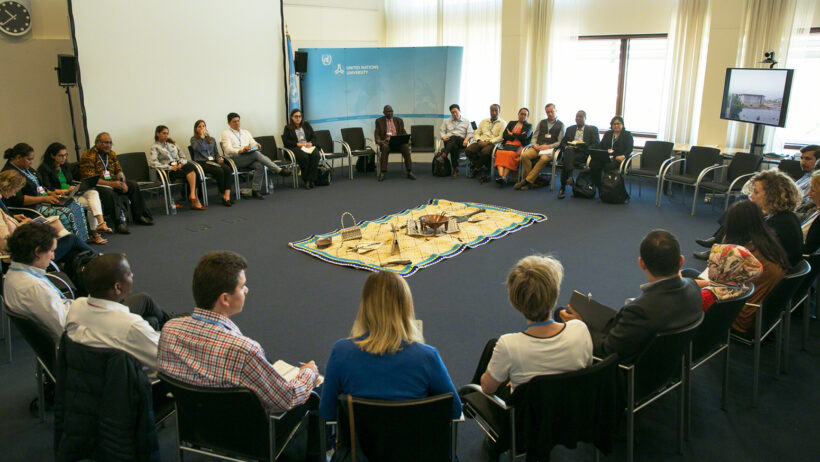
An equally important aspect discussed was the ‘Talanoa Dialogue’, which focused on the inclusive sharing of experiences and ambitions as part of a broader consultation process. Talanoa, a Fijian term, emphasizes storytelling and community engagement. This dialogue encouraged nations to candidly share their climate goals and challenges, fostering a culture of accountability. The underlying question here: will nations engage openly enough to truly harness collective wisdom in mitigating climate change?
Several workshops and sessions were convened to explore innovative approaches to emissions reductions and adaptation strategies. Notably, discussions surrounding the ‘Global Climate Action’ initiative emphasized the role of non-state actors: cities, businesses, and civil societies. These stakeholders have crucial roles in combating climate change and delivering on commitments made in the Paris Agreement. Yet, can their involvement catalyze systemic change across national policies?
Another highlight was the comprehensive debate around transparency and accountability frameworks. Delegates worked towards developing guidelines that would ensure all countries adhere to their commitments, thus building trust in international climate efforts. The goal was to refine monitoring processes so that nations can report progress with accuracy and clarity. How can we strike a balance between accountability and the sovereignty of nations in establishing their climate policies?
The conference also featured notable interventions from youth activists. These young leaders passionately conveyed the urgency of climate action, advocating for a more aggressive approach toward addressing climate change. Their voices echoed the sentiments of a generation deeply concerned about their future. Would the decisions made in Bonn resonate sufficiently with the frustrations and hopes of this younger demographic?
Also, delegates discussed the importance of innovation and technological transfer in combating climate change. Emerging technologies have the potential to revolutionize energy use, agriculture, and urban planning. The conference emphasized the need for collaborative research efforts and the sharing of breakthroughs across borders. But are we prepared to ensure equitable access to these technologies for all countries, facilitating a truly global response?
In addition to key negotiations, Bonn served as a platform for climate-related exhibitions and side events showcasing sustainable practices and innovations. From renewable energy solutions to sustainable agricultural methods, participants had a hands-on experience with successful climate initiatives. The spirit of innovation was palpable—could this engagement pave the way for new partnerships and initiatives necessary for climate resilience?
As the discussions concluded, the participants reflected on the responsibilities that lay ahead. Climate change is not solely an environmental challenge; it is a socio-economic issue interwoven with human rights and equity. The outcomes of Bonn illuminated a pathway forward, but the implementation of these outcomes remains fraught with hurdles. Will nations rise to the occasion, leveraging the momentum spawned from the conference to enact meaningful changes on their home fronts?
As we navigate the contradictions and complexities of climate policy, the essence captured in Bonn serves as both a beacon of hope and a stark reminder of our collective duties. The conference may have closed, but the dialogue continues. In the face of overwhelming scientific consensus, one must ask: are we, as global citizens, prepared to hold our leaders accountable and demand the systemic changes needed to combat the systemic threat of climate change?