


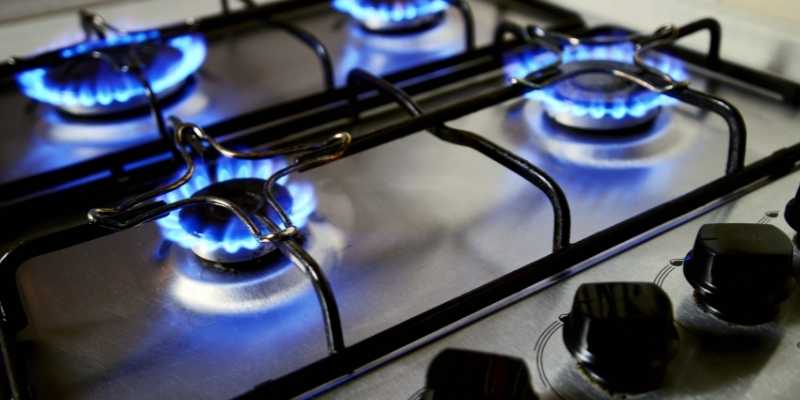

Converting from an electric stove to a gas stove is a significant decision that many homeowners consider for a variety of compelling reasons. This transformation is often justified by the allure of superior cooking performance, reduced energy costs, and environmental advantages. However, it is critical to understand the multifaceted aspects of this transition, encompassing the financial implications, safety considerations, and a step-by-step approach to the conversion process.
Understanding the Cost Implications
Financially, the transition from an electric stove to a gas stove involves several elements that must be carefully considered. Initially, the cost of the gas stove itself can vary widely depending on the brand, features, and efficiency ratings. Standard models may range from a few hundred dollars to several thousand for high-end options. In addition to the appliance cost, there are installation expenses to factor in, which may include:
- Gas Line Installation: If your home lacks an existing gas line, the installation can be a hefty investment. Hiring a licensed professional is advisable to ensure adherence to safety codes, which can cost between $500 to $2,000.
- Electrical Modifications: The electric connections for your former stove may need alterations, particularly if other electric appliances are nearby. Some homeowners might expect costs around $100 to $500 for these adjustments.
- Ventilation Requirements: While many gas stoves are designed for efficient operation, adequate ventilation is essential to prevent the accumulation of gases such as carbon monoxide. Installing a range hood or modifying existing exhaust systems can add additional costs, averaging between $200 to $1,000.
Once these startup costs are accounted for, many find that gas stoves can be more cost-effective in the long run due to lower energy prices. Natural gas prices typically remain more stable compared to electricity, leading to significant savings on utility bills.
Safety Considerations
With the financial assessment completed, it is imperative to delve into the safety ramifications of gas stove usage. While gas stoves offer many benefits, they also pose unique risks that should not be overlooked.
- Combustion Risks: Gas stoves combust fuel to generate heat, which can produce harmful byproducts, including carbon monoxide. Installing a carbon monoxide detector is necessary for monitoring air quality, especially in poorly ventilated spaces.
- Gas Leaks: The potential for leaks exists, which can lead to dangerous situations. Familiarize yourself with the signs of a gas leak, such as the distinctive odor of sulfur or rotten eggs. In the event of a suspected leak, evacuate the area and contact a professional without delay.
- Burns and Fires: With open flames comes the increased risk of burns and kitchen fires. Adopting proper safety protocols, such as using flame-resistant materials around the stove and educating household members about fire safety, is critical.
Furthermore, periodic maintenance is essential for your gas stove. Regularly inspecting gas connections and having your appliance serviced can mitigate many safety risks associated with gas usage.
Steps for Conversion
Should you decide to pursue the conversion to a gas stove, the following steps will guide you through the process efficiently:
- Assess Your Kitchen Layout: Analyzing your current kitchen setup is paramount for determining if your space can accommodate a gas stove. Ensure that it is positioned near existing gas lines or in proximity to where they can be installed.
- Check Local Codes and Permitting: Before any work begins, familiarize yourself with local building codes and regulations. Many locales require specific permits for gas line installation or modifications.
- Purchase Your New Gas Stove: Select a gas stove that aligns with your cooking preferences and budget. Consider energy efficiency ratings, which can impact long-term costs.
- Hire a Professional for Installation: As mentioned earlier, gas installations require licenses to ensure safety and adherence to code. Professional installation can save you time and mitigate risks associated with improper installation.
- Install Necessary Ventilation: Ensure your kitchen has adequate ventilation to handle combustion byproducts. A combination of range hoods and windows can provide effective airflow.
- Conduct a Safety Check: After installation, conduct a thorough check to ensure all connections are secure and there are no leaks. Testing all gas appliances for proper operation is essential.
- Educate Household Members: Finally, inform all members of your household about the new stove’s operation and safety measures. Familiarity with the appliance will bolster an atmosphere of safety and ease.
Conclusion
Converting from an electric stove to a gas stove is a multi-dimensional consideration—one that encapsulates initial expenditures, ongoing safety concerns, and specific procedural steps necessary for a successful transformation. While the switch can lead to a plethora of benefits, including enhanced culinary performance and potential long-term savings, it is vital to approach the situation with informed caution. By leveraging this guide, homeowners can navigate the complexities of such a significant change confidently, ultimately transforming their kitchens into efficient and pleasurable cooking environments.