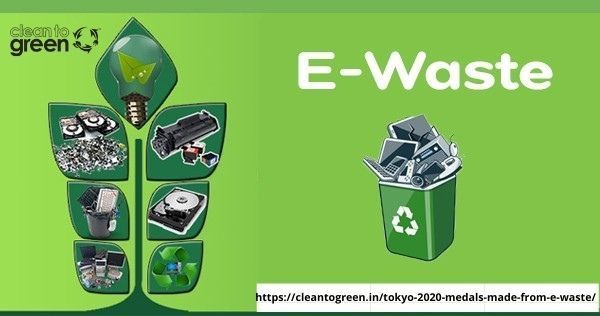

In the modern era, the convenience of technology has become integral to our daily lives. From smartphones to laptops, electronic devices have permeated every aspect of our existence. However, with rapid advancements in technology comes an ever-growing concern: electronic waste, or e-waste. This term encompasses discarded electrical or electronic devices that can pose significant risks to our environment if not managed properly. Recycling electronic waste stands as a beacon of hope. It emphasizes sustainability and the prospect of a cleaner planet. Understanding the multifaceted benefits of e-waste recycling can galvanize individuals and communities to adopt this essential practice.
First and foremost, e-waste recycling significantly mitigates environmental pollution. Traditional disposal methods, such as landfilling or incineration, release hazardous substances, including lead, mercury, and cadmium, into the soil and atmosphere. These toxic elements can seep into groundwater, contaminating vital resources and posing health risks to both humans and wildlife. By channeling e-waste into recycling streams, these hazardous materials are carefully extracted and processed, preventing their detrimental effects. This ensures a more sustainable relationship with our planet’s ecosystems.
Moreover, recycling electronic waste conserves natural resources. Many electronic devices are composed of complex materials, including precious metals such as gold, silver, and palladium. The extraction of these metals typically involves environmentally destructive mining practices. By recycling e-waste, these valuable materials can be reclaimed and reused in the manufacturing of new products. This not only curtails the need for virgin material extraction but also reduces the carbon footprint associated with mining operations. Thus, e-waste recycling is a vital component in the quest for resource efficiency.
Another significant advantage of e-waste recycling pertains to energy conservation. The production of new electronic devices requires substantial energy input, primarily derived from fossil fuels. However, when materials are recycled, the energy required to produce new components dramatically decreases. According to various studies, recycling metals and plastics from e-waste requires considerably less energy compared to generating them from raw materials. This reduction in energy consumption lessens overall greenhouse gas emissions, contributing positively to global efforts against climate change.
The socio-economic implications of e-waste recycling are profound as well. The recycling industry itself generates employment opportunities. From collection and transportation to disassembly and processing, a myriad of jobs are created across various skill levels. This burgeoning sector can provide stable employment in communities, particularly in areas where traditional job opportunities may be scarce. Additionally, many programs focus on educating individuals about responsible recycling practices, further enhancing community engagement and awareness.
However, the benefits do not end with local economic growth. E-waste recycling boasts a ripple effect on the global economy. The demand for recycled materials has witnessed a steady increase, positioning the recycling sector as a key player in the circular economy. Companies investing in e-waste recycling initiatives can derive financial benefits, such as cost savings on raw material procurement and potential revenues from recovered materials. As businesses continue to adopt sustainable practices, those reliant on e-waste recycling will be well-equipped to navigate the intricacies of a resource-constrained world.
Despite the myriad benefits associated with e-waste recycling, challenges remain. Public awareness surrounding responsible e-waste management is still lacking in many communities. This ignorance often leads to improper disposal practices, which exacerbate pollution. Educational campaigns aiming to elucidate the importance of e-waste recycling can play a pivotal role in changing public attitudes and behaviors. By fostering a culture of recycling, individuals can become proactive stewards of the environment.
Additionally, ensuring that e-waste recycling programs adhere to ethical and environmentally sound practices is paramount. The proliferation of unregulated e-waste recyclers presents a significant dilemma, as many inadequately process e-waste, thus exacerbating environmental degradation. Ensuring that e-waste recycling is conducted in accordance with strict regulations and certifications can help mitigate this issue. Consumers should seek reputable recyclers, emphasizing responsibility and transparency in the recycling process.
On a personal level, individuals can champion the e-waste recycling movement. Simple actions, such as choosing to recycle outdated electronic devices instead of discarding them, can contribute to a more sustainable environment. Many local governments and organizations offer e-waste collection events, providing convenient avenues for proper disposal. Furthermore, communities can collaborate to establish dedicated recycling programs, raising awareness while bolstering efforts toward a cleaner planet.
Ultimately, the benefits of recycling electronic waste extend beyond mere environmental conservation. By addressing pollution, conserving natural resources, and promoting economic opportunities, e-waste recycling emerges as a formidable ally in our efforts to foster a healthier planet. In an increasingly consumer-driven society, embracing responsible e-waste recycling is not merely an option; it is an ethical imperative. As we navigate the complexities of technological advancement, let us remain steadfast in our commitment to sustainability, ensuring that future generations inherit a cleaner, thriving world.