
Glaciers, often described as the Earth’s frozen freshwater reservoirs, play an indispensable role in our planet’s climate system. As indicators of climatic shifts, they are crucial to understanding the broader narrative of climate change. This listicle delves into ten compelling facts about glaciers and their intricate relationship with climate change.
1. The Varied Types of Glaciers
There are several distinct types of glaciers, each with unique characteristics shaped by topography and climate. Alpine glaciers, for instance, form in mountain ranges and flow down toward valleys. In contrast, continental glaciers, such as Greenland and Antarctica, cover vast land areas. Each type of glacier contributes differently to sea-level rise, depending on its size and position. Understanding these categories helps illustrate the global implications of their melting.
2. Glaciers as Climate Indicators
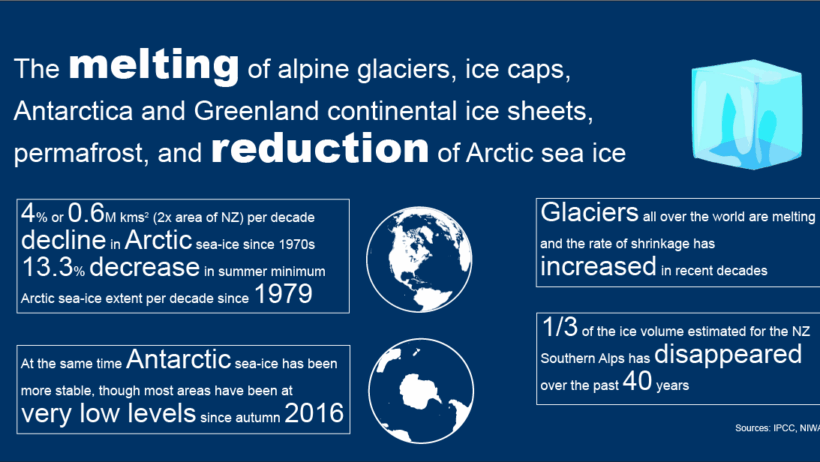
Glaciers act as sensitive barometers for climate change. Their retreat is a direct response to rising global temperatures. In the late 19th century, glaciers worldwide began to recede, and this trend has accelerated. Observations from the Arctic to the Andes reveal alarming patterns of decline, where annual measurements show significant volume loss. This shrinking isn’t just a local phenomenon; it serves as a harbinger of broader environmental shifts.
3. The Impact of Glacier Melt on Sea Levels
As glaciers melt, they contribute to rising sea levels, posing a threat to coastal communities worldwide. The Antarctic and Greenland ice sheets, alone, contain vast amounts of freshwater. If fully melted, they could raise sea levels by several meters, inundating cities and displacing millions. The direct relation between glacier melt and sea-level rise exemplifies the urgency of addressing climate change.
4. The Albedo Effect and Global Warming
The albedo effect refers to the reflectivity of the Earth’s surface, which affects the absorption of sunlight. Glaciers and ice sheets possess high albedo, reflecting about 80% of sunlight. As these frozen landscapes diminish, darker surfaces are exposed, absorbing more heat. This shift accelerates global warming, creating a vicious cycle where warming causes more melting, leading to further warming.
5. Glacial Lakes: A New Landscape
As glaciers retreat, they often leave behind glacial lakes that can significantly alter local ecosystems. These bodies of water can expand over time, creating new habitats for various species. However, they also pose risks such as flooding, especially during periods of sudden ice melting. The formation and expansion of glacial lakes highlight the transitional states of our landscape due to climate change.
6. Climate Refugees and Glaciers
Communities that rely on glaciers for freshwater are particularly vulnerable to climate change. In regions such as the Himalayas, local populations depend on glacial melt for agriculture and daily water needs. As glaciers shrink, these communities face the potential of water scarcity, leading to displacement and the emergence of climate refugees. The socio-economic implications of glacier melt are profound, stressing the need for climate adaptation strategies.
7. Glaciers as Historical Archives
Glaciers encapsulate centuries of climatic history within their layers of ice. Scientists can extract ice cores to analyze trapped air bubbles, providing valuable insights into past atmospheres and temperature shifts. These historical data points serve as critical benchmarks for contemporary climatic studies, enhancing our understanding of natural climate variability versus human-induced changes.
8. Biodiversity and Glacier Ecosystems
Glacial ecosystems are home to diverse forms of life. The cold, unique conditions have fostered species that are specially adapted to these locales. However, as glaciers retreat, these habitats are threatened, leading to a potential loss of biodiversity. Species that are reliant on the cold may not adapt quickly enough to shifting climates, further stressing the delicate balance of these ecosystems.
9. The Role of Glaciers in the Water Cycle
Glaciers are integral to the global water cycle, acting as a reservoir that releases freshwater gradually over time. When they melt, they contribute to river flows that sustain agriculture and ecosystems downstream. A sudden loss of glaciers can lead to erratic water supply, causing floods followed by drought. This unpredictability can destabilize farming practices and water management, exacerbating climate-related challenges.
10. The Global Response to Glacier Loss
As the implications of glacier melt become increasingly evident, global responses are being formulated. International treaties and local policies aim to mitigate climate change impacts, focusing on reducing greenhouse gas emissions, protecting vulnerable communities, and preserving crucial ecosystems. Public awareness campaigns are vital in fostering a collective understanding of glaciers’ importance, advocating for proactive measures to address climate change.
In conclusion, glaciers are more than just breathtaking natural wonders; they are critical indicators of our planet’s health. Understanding these ten interesting facts allows us to grasp the intricate connections between glaciers and climate change. Their story is one of urgency—a compelling narrative that compels action to protect not only these icy giants but also the myriad of life they support.