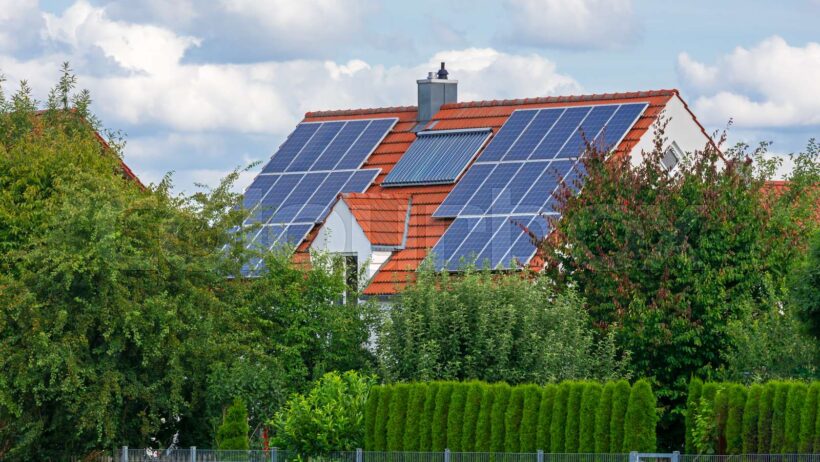

In an era marked by escalating energy costs and a stark need for sustainable solutions, the allure of solar heating systems for homes is impossible to ignore. Are you ready to embrace a technology that not only promises to alleviate your energy expenditures but also curtails your carbon footprint? It seems rather enticing, doesn’t it? However, one might ponder: what hurdles must be overcome to seamlessly integrate this system into everyday living? Let’s embark on a comprehensive exploration of the key advantages of solar heating systems while acknowledging the challenges that may arise along the way.
First and foremost, one of the most prominent advantages of solar heating systems is their potential for significant cost savings. By harnessing energy from the sun, homeowners can drastically reduce or even eliminate their dependence on conventional fossil fuels. This translates into lower utility bills, which can be especially beneficial in regions with high energy prices. With an initial investment that may seem daunting, the long-term savings often justify the upfront costs. Furthermore, various governmental incentives and rebates are often available to mitigate these expenses, making solar heating more accessible than ever.
Moreover, the environmental benefits associated with solar heating systems cannot be overstated. Unlike traditional heating systems that burn fossil fuels, solar heating relies on a renewable resource—the sun. This transition has the profound potential to decrease greenhouse gas emissions, contributing to a more sustainable future for the planet. As each home adopts this technology, we collectively inch closer to mitigating climate change and safeguarding our environment. One wonders, though: in a world that requires urgent action, are we doing enough quickly enough?
Innovation in design has also led to the creation of highly efficient solar heating systems. Sunlight is captured and transformed into usable energy through photovoltaic (PV) cells or solar thermal systems. Advanced technologies ensure that these systems work effectively even in less-than-ideal weather conditions. The efficiency rates of modern solar panels can reach impressive levels, with many systems converting over 20% of absorbed sunlight into energy. The prospect of such innovation invites the question of adaptability—will older homes be able to accommodate and benefit from these advancements?
Additionally, solar heating systems offer reliable performance. Once installed, they typically require minimal maintenance, which means less hassle for homeowners. The longevity of solar panels is remarkable; they can last over 25 years, with warranties often covering much of that time. In a world where reliance on aging infrastructure can lead to energy uncertainties, the resilience of solar heating presents a comforting alternative. Yet, as we embrace these solutions, we must also confront the preparation required for installation—are we as informed as we should be about home modifications?
One cannot overlook the energy independence afforded by solar heating systems. In a landscape fraught with rising fuel prices and geopolitical tensions, the ability to generate one’s own energy can feel empowering. By producing energy from sunlight, homeowners are less susceptible to the volatility of energy markets. This independence not only enhances personal security but also contributes to a decentralized energy landscape that can alleviate some stress on our grid. A question arises, however: how do we ensure that the transition to energy independence is equitable and inclusive for all communities?
Moreover, solar heating systems can increase property values. Homes equipped with solar installations are often seen as more desirable, both from an economic and environmental standpoint. As buyers become more conscious of sustainability, homes integrated with solar technology may fetch higher prices on the market. This potential for enhanced property value raises a pertinent thought—how will this shift affect the dynamics of housing in the future? Will it exacerbate existing inequalities, or will it encourage a broader embrace of green technologies?
Financial models also reveal fascinating developments with solar heating systems. As technology advances and prices decrease, the payback period for investments in solar systems is becoming shorter. It is now feasible for many households to recuperate their initial costs within a decade or even sooner in some cases. With financing options becoming more diverse and tailored to various income levels, the feasibility of investing in solar heating is within reach of many. Still, one must contemplate: are financial options available to all socioeconomic groups, or is there a risk of leaving some behind?
In conclusion, solar heating systems offer a multiplicity of advantages ranging from financial savings to environmental stewardship and energy independence. While challenges such as initial costs, installation logistics, and equity remain, the overarching benefits highlight the importance of this technology in redefining how we power our homes. As we forge ahead, it is vital to engage in meaningful dialogues about the roadblocks and opportunities that lie ahead. After all, the sun shines on everyone—shouldn’t we all be part of that transformation?