

Animals breeding in the wild is a captivating phenomenon that speaks to the resilience and intricate social structures of nature. Have you ever wondered how different ecosystems influence reproductive behaviors? This question beckons a closer examination of how animals adapt their breeding strategies to optimize survival in varying environments. In this exploration, we will delve into fascinating examples of wild animal breeding, highlight crucial conservation facts, and address the challenges that these species face today.
The intricate dance of animal reproduction involves a myriad of strategies, all tailored to the ecological niches organisms inhabit. From majestic mammals like the African elephant to elusive amphibians, each species showcases unique adaptations that bolster their chances of continuing their lineage. For instance, consider the elaborate courtship rituals of the bird of paradise. Males don flamboyant plumage and perform intricate displays to attract females. This theatricality not only enhances their appeal but also serves as an indication of health and genetic fitness, ensuring that only the most viable candidates reproduce.
Then there are the remarkable nesting behaviors of sea turtles. After years spent traversing the ocean, adult females return to the very beaches where they hatched to lay their eggs. This notable form of natal homing is critical for the survival of the young, as these locations have proven to provide the optimal conditions for hatchlings. However, urbanization and climate change pose significant threats to these nesting sites, compelling conservationists to advocate for protected areas and safe beaches.
As we investigate further, the concept of reproductive timing surfaces as another fascinating aspect of animal breeding in the wild. Seasonal changes can dictate when animals breed; for example, many species of deer synchronize their mating season to coincide with favorable weather conditions and food availability. This synchronization enhances the probability that offspring will survive, as mothers can provide ample nutrition to their young during this critical early development stage. Unfortunately, shifting climatic conditions can disrupt these cycles, leading to mismatches that threaten the survival of young deer.
Moreover, some species exhibit complex social structures that influence breeding. For example, wolf packs rely on a hierarchical structure whereby only the alpha breeding pair produces offspring. This behavior ensures resource allocation is directed towards the most genetically fit individuals. However, human encroachment and habitat destruction often disrupt these social dynamics, leading to diminished genetic diversity and vulnerable populations. Conservation efforts are increasingly focused on habitat preservation and the restoration of natural social interactions among these species.
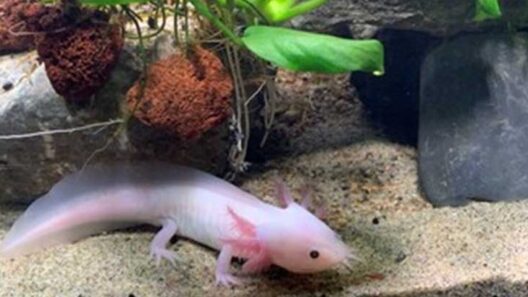
The plight of amphibians, particularly frogs, underscores another layer of breeding challenges in the wild. Many frog species exhibit remarkable parental care, with some even carrying their offspring on their backs until they are ready to enter the aquatic environment. Tragically, habitat loss and disease have led many amphibian populations to decline precipitously. In response, conservation initiatives have sprung to life, with programs aimed at habitat restoration, captive breeding, and public education to foster awareness of these vulnerable creatures.
It is crucial to acknowledge the role that conservation organizations play in safeguarding breeding grounds and enhancing reproductive success among endangered species. The California condor, once on the brink of extinction, has benefited greatly from captive breeding programs that have successfully increased population numbers. Conservationists employ various methods, forging partnerships with local communities to protect habitat and ensure a sustainable future for these magnificent birds.
However, challenges remain formidable. Habitat fragmentation, poaching, and invasive species continue to pose significant threats to wild populations. For instance, the introduction of non-native plants disrupts the delicate balance of ecosystems, negatively impacting native breeding species that rely on specific environmental conditions. The conundrum arises: how do we mitigate these effects while promoting biodiversity?
A multifaceted approach that includes environmental activism, community engagement, and scientific research is essential for addressing these pressing issues. Citizens can play a pivotal role in advocating for stronger regulations to protect natural habitats. Moreover, educational initiatives that foster a deeper understanding of local wildlife can galvanize communities to become stewards of the environment, collectively working towards the preservation of species faced with alarming decline.
In conclusion, the breeding behaviors of wild animals are as diverse and intricate as the ecosystems they inhabit. Each example studied—from the avian courtship displays to the nurturing of amphibians—highlights the delicate balance of nature and the myriad factors influencing reproductive success. As challenges mount, from climate change to habitat destruction, it is imperative that we rally together in our conservation efforts, ensuring that future generations will continue to witness the awe-inspiring spectacle of animals breeding in the wild. How will we take action to protect the extraordinary tapestry of life that sustains our planet?