


In the realm of sustainable agriculture, the humble Black Soldier Fly larvae (BSFL) emerge as extraordinary heroes, unassuming yet potent cogs in the wheel of ecological balance. Much like an unsung musician who harmonizes the symphony of nature, these larvae present an enticing opportunity for poultry keepers, particularly those raising chickens. The tale of BSFL is not merely a narrative about feeding animals; it is a transformative venture that intertwines environmental stewardship, nutritional excellence, and economic sensibility.
Understanding the Black Soldier Fly
The Black Soldier Fly, scientifically dubbed Hermetia illucens, embodies a fascinating life cycle. From humble beginnings as an egg, these flies metamorphose through various stages, culminating in the nutrient-rich larvae that chicken enthusiasts are eager to embrace. What sets BSFL apart is their exceptional ability to convert organic waste into high-quality protein, acting as nature’s miniature recycling plants. This metamorphosis of waste to nourishment almost seems utopian, a miracle spun from the threads of evolution.
The Nutritional Powerhouse
The benefits of introducing Black Soldier Fly larvae into a chicken’s diet are multifaceted. First and foremost is the nutritional density they provide. Enriched with proteins that can range from 30% to 50% of their dry weight, BSFL serve as a robust source of sustenance. This protein surge is complemented by an array of essential amino acids, vitamins, and minerals. Chickens fed on BSFL often exhibit enhanced growth rates and improved egg production, painting a vivid picture of the potential benefits when these larvae infiltrate the poultry diet.
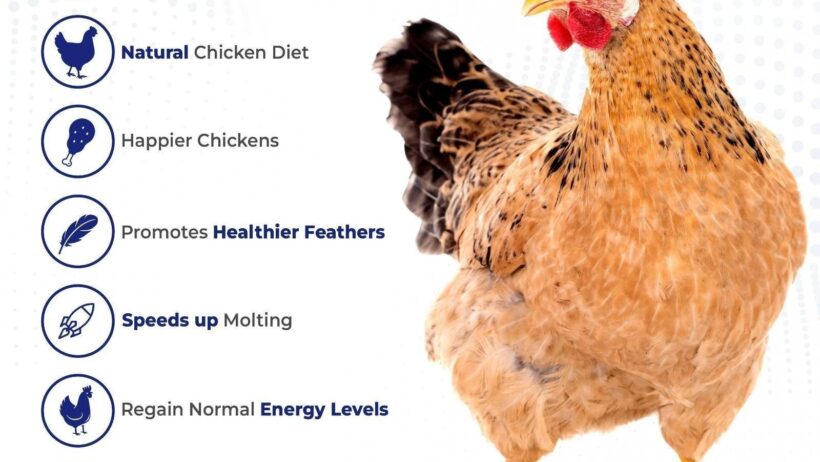
Moreover, the unique lipid profile of BSFL contains healthy fats that promote a shiny, lustrous plumage and invigorating vitality among chickens. Just as a well-tuned instrument elevates a musician’s performance, the inclusion of BSFL elevates the health and productivity of poultry.
Environmental Stewardship
Raising BSFL not only reduces the environmental burden of waste but also decreases dependency on conventional feed sources, many of which entail substantial agricultural inputs and ecological consequences. In essence, nurturing BSFL mirrors cultivating an eco-friendly ethos, embracing sustainability one larvae at a time.
How to Raise Black Soldier Fly Larvae
The process of raising Black Soldier Fly larvae is as enchanting as it is simple. With the right approach, anyone can cultivate these larvae and give their chickens a hearty meal that challenges conventional feed options.
Step 1: Setting Up Your Environment
The first step in this journey is creating an amiable habitat for BSFL. A well-ventilated container, such as a plastic bin or a custom-designed composting system, serves as the foundation. Ensure that this dwelling is insulated to regulate temperatures between 70°F and 85°F (21°C to 29°C), the comfort range where these larvae thrive.
Step 2: Sourcing Organic Waste
Next comes the integral aspect of nutrition – feeding the larvae. Black Soldier Fly larvae revel in organic waste such as fruit peels, vegetable scraps, and even certain grains. Much like feeding a vibrant garden, providing diverse organic material not only nurtures the larvae but also maximizes their protein content.
Step 3: Harvesting the Larvae
After a few weeks, the BSFL will reach their peak size, and the time for harvesting will arrive. Efficiently separate the larvae from the compost by using a simple screen or mesh separator. For those emerging as seasoned larvae farmers, a gravity system can aid in this process, allowing mature larvae to drop into a collection bin while leaving behind the waste. The time invested in this procedure yields a bounty that rewards the chickens with nutritious nourishment.
Step 4: Feeding Your Flock
Once harvested, the larvae can be fed directly to the chickens. They can be offered fresh or dried, the latter retaining their nutritional value while extending shelf life. Observing your flock gobble up these nutrient-packed morsels is akin to witnessing a masterful performance where every note falls perfectly into place.
Economic Considerations
Conclusion
In conclusion, the Black Soldier Fly larvae embody a paradigm shift in the landscape of poultry feed. As sustainability becomes an increasingly critical necessity, these larvae present a compelling alternative that champions ecological harmony and nutritional excellence. The journey of raising BSFL is not merely a chore; it is an inspiring venture that highlights the interconnectedness of waste, nourishment, and responsible farming. By embracing this miniature marvel in our backyard coop, we not only nourish our flocks but also weave a richer tapestry of life that celebrates both agriculture and environment in a dance where every participant plays an essential role.