
Deserts are often seen as desolate wastes devoid of life, yet they teem with a surprising array of creatures, many of which possess attributes that can be perilous to those who wander their arid expanses. The allure of these ecosystems lies not only in their harsh beauty but also in the enigmatic wildlife that has adapted to thrive in extreme conditions. This article delves into the top dangerous animals in the desert, highlighting the inherent risks they pose and unraveling the intricate reasons behind the fascination with these formidable beings.
When one thinks of deserts, typically images of sweeping dunes and cacti come to mind. However, lurking in the shadows and crevices of this vibrant, albeit harsh, environment are numerous species capable of defense mechanisms that can inflict serious harm. Some are venomous, some aggressive, and others simply possess physical attributes that render them dangerously effective predators. Understanding these animals sheds light on the complex interdependencies present within their ecosystems.
The Venomous Arachnids
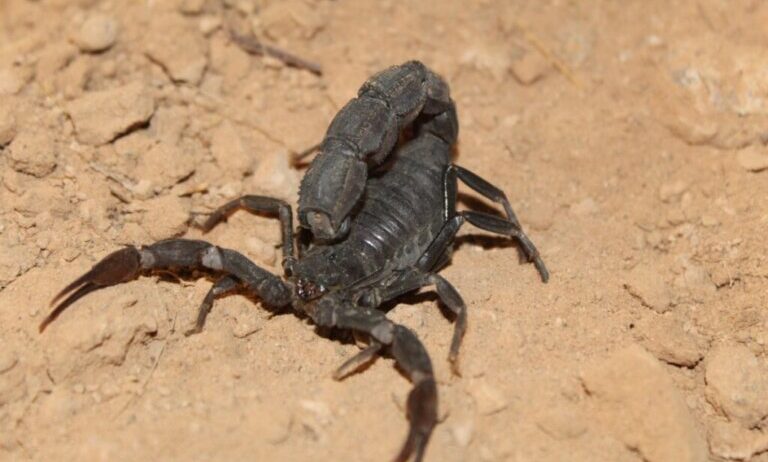
One cannot discuss desert dangers without mentioning arachnids, particularly scorpions and spiders. Among them, the notorious Arizona bark scorpion stands out as a quintessential example of a creature that embodies both beauty and peril. Its translucent, yellowish body and slender, graceful movements might mislead observers into underestimating it; however, its venom is a potent neurotoxin capable of causing severe pain, respiratory distress, and, in extreme cases, death, particularly in young children and the elderly.
In addition to scorpions, the black widow spider is another harbinger of danger in the arid lands. Its glossy black body adorned with a distinctive hourglass marking belies its lethal capability. The venom of the female black widow is twenty-five times more toxic than that of a rattlesnake, delivering excruciating pain and potentially life-threatening symptoms. Encounters with these arachnids accentuate the urgent need for caution in desert habitats, as they blend seamlessly into their environment.
Fanged Predators
Moving from arachnids to reptiles, one cannot overlook the formidable presence of venomous snakes in desert ecosystems. The Western diamondback rattlesnake is an iconic representative of this category. Its distinctive rattle serves as a warning, a sound that echoes across the sands, signaling its presence to any would-be intruders. A bite can result in severe tissue damage and necessitate immediate medical intervention.
The allure of the rattlesnake stems from its adaptation to the unforgiving desert landscape. With a remarkable ability to regulate body temperature and conserve water, it epitomizes survival against the odds. While they primarily avoid confrontation, their capacity to deliver venom is a grave reminder of the hazards that coexist within these ecosystems.
Fierce Mammalian Predators
Among the mammals that roam the desert, the Cougar, or mountain lion, commands respect and evokes both awe and trepidation. These elusive feline predators demonstrate remarkable agility and stealth, making them formidable hunters. Its presence in the desert landscape often draws both admiration for its grace and fear due to its predatory nature. Cougars rarely attack humans but when they do, it can prove fatal due to their sheer strength and hunting prowess.
Another notable mammal, the coyote, exemplifies the duality of danger and adaptability. While they may not have the raw power of cougars, their intelligence and pack behavior make them efficient predators. Often foraging and hunting in groups, coyotes pose a threat not just to domestic animals, but can also be more aggressive toward humans, especially if cornered or feeling threatened. Their omnivorous diet and opportunistic behavior remind us that danger can arise from unexpected quarters.
Invertebrates and Microorganisms
It’s essential to emphasize that danger in the desert is not limited to the grand predators. Consider the minuscule, yet potentially lethal, desert centipede. Their elongated, segmented bodies may seem innocuous at first glance, but these nocturnal hunters wield venomous bites that can produce painful reactions, contributing to the wilderness’s perilous nature. Beyond established predators, microorganisms and even parasites can complicate survival in these environments.
The Enigmatic Allure of Desert Dangers
What is it that captivates our imagination about these dangerous desert dwellers? Perhaps it is the statement they make about resilience and survival in a hostile environment. Each species, with its unique adaptations, contributes to the exquisitely balanced tapestry of life in the desert. There’s a fascination in acknowledging creatures that, despite their lethal capabilities, play crucial roles in their ecosystems as both predators and prey.
The notion of danger can be thrilling; the desert’s harsh elements challenge our understanding of life, pushing boundaries of habitation and survival. Observing these creatures in their natural habitats ignites a sense of respect for the delicate balance of nature. Moreover, awareness of the potential risks encourages precautions that can foster safe interactions with these ecosystems, all the while nurturing a deeper appreciation for the biodiversity that resides in these seemingly inhospitable environments.
In conclusion, while the desert may appear barren at first glance, it hosts a multitude of dangerous species that challenge our preconceptions about life in extreme conditions. By understanding these animals and the risks they pose, we can better appreciate the intricate relationship between danger and wonder, allowing us to engage with these ecosystems in safe and respectful ways. Exploring the desert is not solely about fear; it also encompasses a vast array of surprises hidden within its arid embrace.