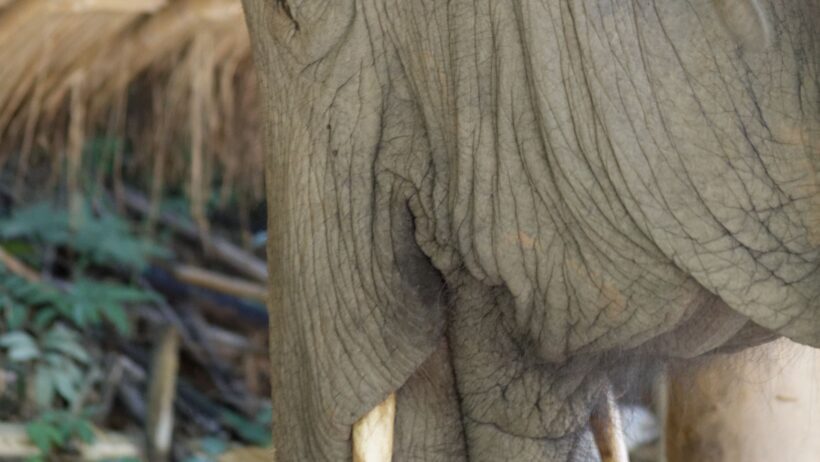

Elephants, the colossal denizens of the African savannas and Asian woodlands, are known for their remarkable intelligence and emotional depth. Among the many captivating aspects of these creatures, the presence or absence of tusks in female elephants has piqued the interest of researchers and animal lovers alike. The common assumption is that tusks are mainly a male characteristic; however, female elephants can possess them, albeit less frequently. This phenomenon is a testament to the complex interplay of genetics, evolutionary pressures, and ecological roles.
At a glance, one might observe that male elephants, particularly African and Asian species, often exhibit impressive tusks that can grow exceptionally long. These tusks serve various functional purposes: they are used to dig for water, strip bark from trees, and assert dominance during mating displays. In contrast, many female elephants do not possess tusks, leading many to believe this trait is predominantly male. Yet, the reality is far more intricate.
The absence of tusks in female elephants can largely be attributed to genetic factors. Studies have indicated that tusklessness is more pronounced in certain populations, particularly in regions where poaching pressures have eradicated tusked individuals. In essence, when overhunting removes those with significant tusks from the gene pool, a phenomenon known as artificial selection occurs. The subsequent generations may evolve to exhibit a higher frequency of tuskless females, as the genes responsible for tusk development are gradually diminished over time.
Delving deeper into the genetic underpinnings, the presence of tusks in elephants is associated with specific traits controlled by several genes. In the case of African elephants, females can develop tusks similar to males. However, the mode of inheritance is not fully understood. Some genetic theories suggest that the trait is polygenic, meaning it is influenced by multiple genes, some of which may have variable expressions. Such a multigenic basis means that even with the right genes for tusk development, environmental factors may influence whether those genes manifest visibly, keeping the population in a constant state of genetic flux.
Despite some females evolving with tusks, it is crucial to underscore that the majority of female elephants are born tuskless. This disparity raises questions about their survival strategies as a tusk can be a double-edged sword. Tusks can be protective and advantageous, but they also make elephants targets for poachers. Thus, in regions experiencing heavy poaching, tuskless females might have a higher survival rate, allowing them to pass on their genes more effectively.
Beyond genetics, the ecological implications of tusk presence in female elephants highlight the mammoth’s role within their environment. Tusks serve as tools for manipulating their habitat. Elephants are often referred to as “ecosystem engineers” due to their behaviors, which can significantly affect vegetation dynamics. In situations where females are more likely to be tuskless, changes in foraging behavior arise, which can affect the broader ecosystem, including the availability of food sources for other species. The absence of tusks may also lead to different patterns of interaction with their habitat, possibly resulting in vegetation overgrowth in certain areas, which can alter habitats for other organisms.
Another fascinating element is the social structure of elephant herds. Female elephants typically live in matriarchal societies, where the oldest female leads and educates younger members. The presence of tusks among these matriarchs could influence their status within the herd, affecting dynamics and inter-herd relationships. Tusks may serve as symbols of power and maturity, but their absence does not diminish the authority of a female leader if she possesses other attributes, such as wisdom. Social behaviors can exert a powerful influence on the evolution of tusks in the long term, prioritizing traits that enhance social bonds over mere physical attributes.
Moreover, the presence of tusks—or lack thereof—also influences conservation efforts. Many wildlife organizations are beginning to track genetic traits in elephant populations to understand how poaching pressures are affecting their long-term viability. Knowledge of whether females possess tusks can inform conservation strategies, helping to preserve these majestic animals? populations while adapting to the evolving threats they face. As the need to protect both tusked and tuskless females becomes paramount, understanding their genetics and ecology is essential.
In summary, can female elephants have tusks? While the answer is a resounding yes, it is wrapped in a complex tapestry of genetics, ecological roles, and evolutionary pressures. The rarity of tusked females in certain populations is not merely an anomaly; it serves as a vital narrative thread in the ongoing story of elephant evolution and survival. As we continue to study these magnificent creatures, we must embrace the richness of their diversity, recognizing that each characteristic, whether it be tusked or tuskless, plays a crucial role in the intricate balance of their ecosystems. The intrigue surrounding female elephants and their tusks serves as a reminder of the larger issues at play, including conservation, habitat destruction, and the relentless pressures of human activity. Understanding these intricate dynamics better equips us to advocate for their preservation and the continuation of their legacy on this planet.