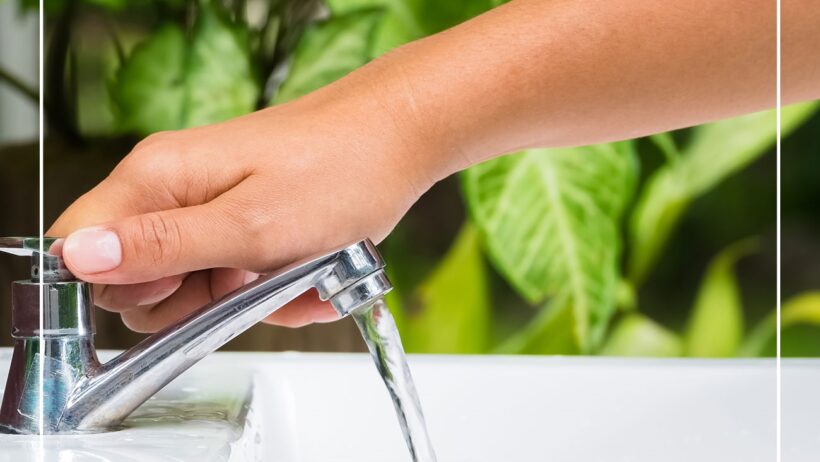

Have you ever wondered how something as simple as turning off the tap can be both a boon for your finances and a shield for our ailing planet? The connection between conserving water, saving money, and environmental protection is more profound than many realize. As global water scarcity looms large over various regions, harnessing efficient water usage becomes essential not only for personal budgets but also for the sustainability of our natural ecosystems.
Water is a finite resource. While it may seem plentiful on the surface—streams gushing, rain pouring, and oceans sprawling—clean, accessible water is rapidly becoming a precious commodity. Challenges such as climate change, pollution, and overconsumption threaten to exacerbate this scarcity. When you take a moment to reflect on this crisis, think about how your own habits contribute to the larger picture. What if, by adopting simple changes in your daily routine, you could alleviate some of this pressure? In turn, these changes may reveal unexpected savings. Are you up for the challenge of becoming a conscientious water saver?
Let’s delve into the intricate relationship between water conservation, economic savings, and environmental health with a thorough exploration of practical strategies, potential savings, and significant environmental impacts.
Understanding the Financial Ramifications of Water Usage
To grasp the magnitude of water conservation, one must first understand the economic implications of excessive water consumption. Water charges can add up significantly, especially for households in areas with metered billing. This bill often reflects not just the water usage, but also the costs associated with wastewater treatment and infrastructure maintenance. Reducing your consumption doesn’t just lessen your utility bills; it also minimizes wear and tear on municipal systems, which can translate into lower costs for the entire community.
Diving deeper into specifics, adopting habits such as shorter showers or fixing leaky faucets can save an average household hundreds of dollars annually. Envision this: a slow-dripping faucet can waste over 3,000 gallons of water a year. With water prices climbing, that small leak turns into a sizeable financial drain. By addressing such issues promptly, households can add substantial savings to their budgets.
Practical Strategies for Water Conservation
Now that the financial gravity of water waste is clearer, let’s examine actionable strategies to conserve water without sacrificing convenience.
1. Mindful Showering: Reduce your shower time by just a few minutes. Implementing a shower timer can help you establish this new habit. Consider a shower that uses a low-flow aerator, which can significantly reduce water usage without compromising water pressure.
2. Efficient Fixture Installations: Upgrading to WaterSense-labeled fixtures can lead to notable reductions in water usage. These products have been independently certified to meet stringent efficiency criteria, providing the same level of performance while using less water.
3. Garden Wisely: If you have outdoor gardens, consider xeriscaping—this landscaping philosophy incorporates drought-resistant plants that require far less water than traditional gardens. Implementing a rainwater harvesting system not only conserves water but also provides a sustainable way to irrigate your plants.
4. Regular Maintenance: Periodic plumbing inspections can mitigate leaks before they escalate into costly water waste. Educating yourself on common household leaks can save not just water but your hard-earned cash.
5. Use Appliances Wisely: Only run dishwashers and washing machines with full loads, and opt for energy and water-efficient models when replacing old appliances. This decision can yield both financial and environmental dividends.
The Ripple Effects: Environmental Protection
Conserving water transcends financial prudence; it plays an imperative role in safeguarding our environment. Water is vital for all ecosystems. As water habitats dwindle due to over-extraction, a ripple effect ensues: habitats for myriad species begin to collapse, leading to a loss of biodiversity. Streams become inhospitable for aquatic life, and fertile land may turn into arid wasteland.
Moreover, conserving water directly impacts energy consumption. The processes of water treatment, transportation, and heating necessitate significant energy expenditure. Less water usage means decreased energy demand, which subsequently lowers emissions related to electricity generation. By conserving water, individuals indirectly contribute to the reduction of their carbon footprint—an essential factor in combating climate change.
Environmental stewardship extends beyond day-to-day choices. Advocating for community initiatives aimed at water conservation can invigorate collective action. Encouraging local policymakers to prioritize sustainable water management is paramount in the fight against water scarcity.
Consider Your Water Footprint
As you ponder your daily water consumption, it can be enlightening to visualize your water footprint—an estimation of the total water used in the production of goods and services consumed. While direct water use in your home is significant, consider upstream water use connected to your lifestyle choices: the produce you buy, the clothing you wear, even the coffee you drink. Recognizing these connections can motivate you to become more judicious in your consumption habits.
Final Thoughts: A Challenge Worth Accepting
Ultimately, the challenge of conserving water provokes a dual benefit: enriching your wallet while nurturing the environment. By incorporating mindful habits into your daily life, not only can you save substantial amounts of money, but you can also significantly lessen your impact on our fragile ecosystems. So, will you join this essential fight? Will you become a steward of water, protecting both your finances and our planet? Challenge yourself, and invite others to do the same. After all, in a world beset by environmental challenges, every drop counts.