
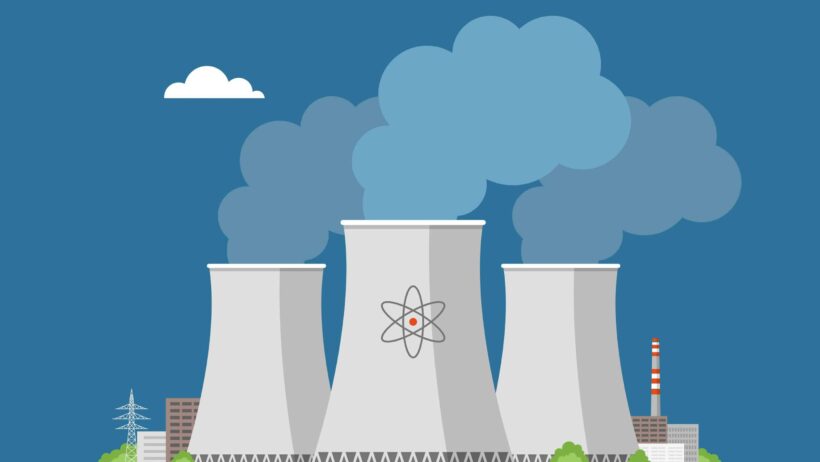

The discourse surrounding nuclear energy is laden with complexities. As society endeavors to transition from fossil fuels to more sustainable energy sources, nuclear energy emerges as a pivotal player. Despite its reputation for being a cleaner alternative, it is imperative to dissect the pros and cons associated with nuclear energy, ensuring a comprehensive understanding of its multifaceted impact on environmental, economic, and social realms.
Pros of Nuclear Energy
One of the most compelling arguments in favor of nuclear energy is its low greenhouse gas emissions. Unlike coal or natural gas, nuclear reactors do not emit carbon dioxide during operation. This characteristic positions nuclear power as a formidable ally in combating climate change. With global warming increasingly threatening biodiversity and human livelihoods, the transition to nuclear energy could significantly reduce our carbon footprint.
Nuclear energy boasts high energy density. A small amount of nuclear fuel can produce an immense amount of energy. For instance, one kilogram of uranium-235 can yield approximately 24,000 MWh of electricity, whereas the same mass of coal might generate a mere 3 MWh. The efficient use of resources is an attractive feature in a world grappling with dwindling fossil fuel reserves.
Moreover, nuclear power plants operate under a consistent baseload power generation model. Unlike solar or wind energy, which rely on variable weather conditions, nuclear reactors provide a steady supply of energy. This reliability supports the stability of the energy grid, making it easier for nations to meet their energy demands without interruption.
Nuclear technology has advanced significantly over the decades. Today’s reactors are designed with cutting-edge safety features that mitigate the risk of catastrophic failures. Modern designs, such as Small Modular Reactors (SMRs), are inherently safer and more efficient than their predecessors. This evolution is pivotal in assuaging public fears surrounding nuclear technology.
Furthermore, the possibility of thorium as an alternative fuel source presents an exciting frontier. Thorium is more abundant than uranium and produces far less waste. Additionally, the waste generated from thorium reactors is less hazardous and has a shorter half-life, addressing some of the major concerns regarding traditional nuclear waste management.
Cons of Nuclear Energy
Moreover, the initial capital investment for nuclear power plants is exorbitant. Constructing a nuclear facility entails substantial financial resources, often reaching billions of dollars. The lengthy construction timelines can also lead to budget overruns and project delays, making nuclear energy less attractive in comparison to renewable sources like wind and solar, which can be deployed more rapidly and at a lower cost.
The risk of nuclear accidents, though statistically rare, must not be minimized. Historical events, such as Chernobyl and Fukushima, serve as stark reminders of the potential consequences of nuclear mishaps. The psychological impact on communities surrounding nuclear facilities can linger for generations, leading to heightened anxiety and a general mistrust of nuclear energy.
In addition, there is the issue of nuclear proliferation. The technology used for nuclear energy can also be repurposed for nuclear weaponry. This dual-use dilemma raises significant geopolitical concerns and complicates international relationships, potentially leading to increased tensions and conflicts in regions where nuclear energy development is pursued without stringent oversight.
Another notable consideration is the impact on local ecosystems. The development and operation of nuclear plants can disrupt wildlife habitats, as substantial amounts of water from local sources are often required for cooling. Although nuclear energy generates minimal atmospheric pollutants, the aquatic ecosystems can still suffer adverse effects, from thermal pollution to the discharge of heavy metals and toxic substances.
The Path Forward
In summation, nuclear energy presents a paradox of promise and peril. As the world grapples with the urgent need for sustainable energy solutions, it becomes imperative to weigh the benefits of reduced greenhouse gas emissions and high energy output against the challenges of waste management, safety concerns, and associated costs. A balanced approach that integrates nuclear energy with renewable sources may offer a pragmatic solution, optimizing energy generation while minimizing environmental impacts.
The dialogue surrounding nuclear energy is far from straightforward. As technology advances and society’s needs evolve, it is essential to engage in informed discussions that encompass all facets of this contentious issue. Only through collaborative and transparent dialogue can we navigate the complexities of energy production, ensuring a sustainable future for generations to come.