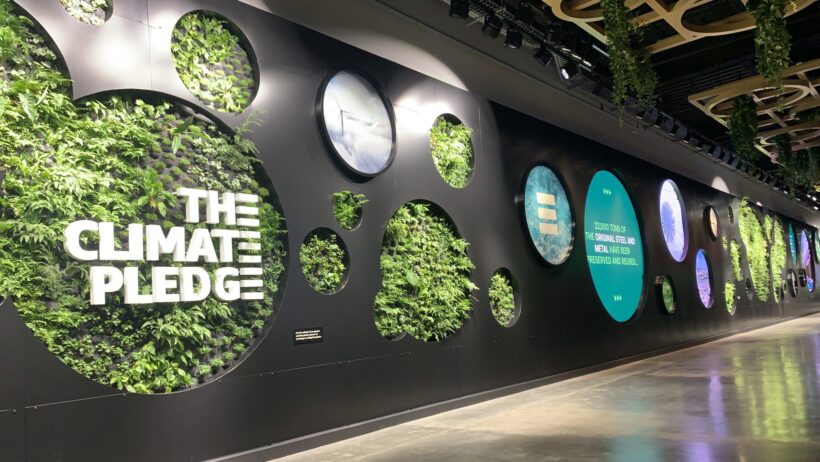

In an era where the specter of climate change looms larger than ever, the emergence of venues like Climate Pledge Arena presents a compelling juxtaposition of athletics and environmental stewardship. The arena, nestled in the heart of Seattle, embodies the possibility of harmonizing human ecstasy with ecological responsibility. As we explore the intricate tapestry of this sustainable sports venue, it becomes apparent that it is not merely a building; it is a beacon of hope, a veritable “green cathedral” where the echoes of applause interweave with a commitment to sustainability.
Climate Pledge Arena stands as a paradigm shift within the realm of sports management. While stadiums traditionally symbolize consumption—of resources, of space, and, inevitably, of the planet—this innovative structure seeks to reverse that narrative. It is constructed with a bold aspiration: to be the first arena in the world to achieve net-zero carbon emissions. This ambitious goal is not just a lofty ideal; it is a concrete strategy rooted in scientific veracity and guided by a moral imperative.
The metaphor of a “green cathedral” takes on profound significance when one considers the juxtaposition of sports entertainment and environmental consciousness. Just as cathedrals inspire awe and reflection, Climate Pledge Arena offers a space for communal experience and consciousness-raising. Spectators are drawn not only to moments of athletic prowess but also to an overarching ethos of sustainability. The arena is a living testament to how human endeavors can coexist with the delicate ecosystems that sustain us.
At the very foundation of Climate Pledge Arena lie sustainable construction practices. The structure reinvents the conventional blueprint of an extensive sports venue by incorporating recycled materials, reducing waste, and minimizing the carbon footprint during construction. Attention to detail is paramount; the arena showcases a historic preservation of the old KeyArena while infusing modern, environmentally friendly solutions. The roof, adorned with solar panels, becomes a metaphorical sun—harnessing energy from one of the universe’s most reliable sources, thereby lessening reliance on fossil fuels. Through such innovations, Climate Pledge Arena transcends its purpose as a mere sports venue, morphing into an educational experience in tangible sustainability.
Yet sustainability at Climate Pledge Arena extends beyond the physical architecture. It permeates the very operations that occur within its walls. Being powered by 100% renewable energy, the arena sets an unprecedented standard for energy consumption in the sports industry. The ongoing commitment to sustainability inspires a ripple effect; fans attending events are not merely passive witnesses but active participants in a larger conversation about ecological responsibility. They leave the arena not just with memories of exhilarating moments but also with a heightened awareness of their personal impact on the planet.
Further amplification of the arena’s ethos is visible in its waste management practices. Evoking strong imagery, the arena operates with a comprehensive zero-waste program that channels the historic adage of “reduce, reuse, recycle” to uncharted territories. Food stalls offer not only delicious meals but also integrate local and organic ingredients, shining a spotlight on regional agriculture while simultaneously functioning as a catalyst for sustainable consumption habits among fans. This thoughtful integration of food, waste, and ecology fosters an environment where spectators can savor their culinary choices without guilt.
In a broader context, Climate Pledge Arena serves as a crucible for collaboration. It is more than just a venue for sporting events; it is a platform for dialogue among stakeholders, ranging from athletes to activists, and from local communities to global organizations. Engaging in initiatives that promote social and environmental equity, the arena illustrates how sports can galvanize collective action towards a common mission—one that transcends the athleticism of its events. In this vein, it becomes a vital hub for activism, spawning discussions around climate justice that resonate far beyond the confines of the arena.
Moreover, the financing of Climate Pledge Arena further elucidates the nexus between economic vitality and environmental integrity. By attracting investments geared towards sustainability, the arena demonstrates that financial success and ecological mindfulness are not mutually exclusive. This maverick approach challenges the assumed incapacity of large-scale projects to engage with environmental ethics, crafting a narrative where profitability aligns seamlessly with purpose. Such a narrative is not merely aspirational; it represents a transformative model that other venues can emulate.
Looking to the future, the ethos of Climate Pledge Arena may herald a new dawn for sports and entertainment. Each event held within its walls reverberates with the potential of creating sustainable legacies. Athletes and performers become stewards of the environment in a shared mission where sportsmanship dovetails with ecological activism. Iconic moments in sport—the slam dunk that defies gravity or the last-second goal that ignites the crowd—are enriched by the knowledge that they occur in a space driven by a conscious commitment to the planet.
The convergence of sports and sustainability at Climate Pledge Arena exemplifies a hopeful narrative amidst a tapestry of environmental challenges. It reminds us that the quest for a more sustainable world can flourish even in the most unexpected arenas, underscoring the importance of collective responsibility. In a society grappling with the ramifications of climate change, Climate Pledge Arena serves not merely as a venue for entertainment but as a clarion call: that we can, indeed, strive for a future where joy and ecological stewardship walk hand in hand.