
Climate change remains one of the most pressing challenges of our time, affecting ecosystems, economies, and societies. As we progress through 2025, it is imperative to scrutinize the collective strides taken towards mitigating this existential threat. Unsurprisingly, the sentiment surrounding climate initiatives remains ambivalent, oscillating between trepidation and optimism. However, amidst the cacophony of skepticism, signs of progress illuminate prospects for the future.
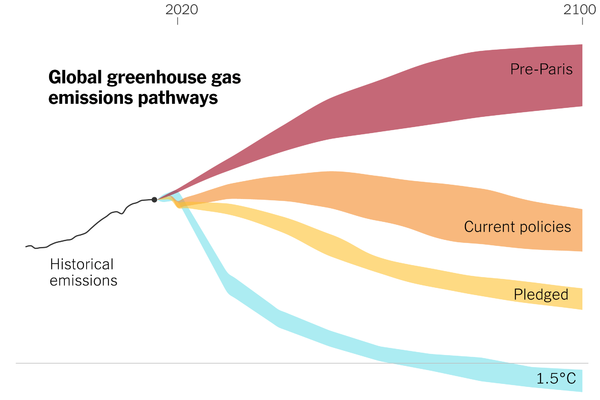
A myriad of international accords and national policies, pronounced during global gatherings like the COP conferences, exemplify our collaborative fortitude in facing climate change. These negotiations, culminating in commitments to reduce greenhouse gas emissions, have fostered binding agreements. The Paris Agreement, for instance, galvanized countries to pledge their emissions trajectories with ambitious targets set for the latter part of the 21st century. By 2025, nations are expected to report on their progress, establishing transparency and accountability as tenets of climate governance.
One of the foremost indicators pointing to progress is the substantial increase in renewable energy adoption. Statistically, in 2025, renewable energy sources, particularly solar and wind, have escalated to unprecedented levels, dwarfing the contributions of fossil fuels in various regions. Technological advancements, coupled with decreasing costs, have rendered these clean alternatives not merely viable but preferable in diverse markets. The proliferation of decentralized energy systems has empowered communities, enabling them to harness local resources to mitigate their carbon footprints. This paradigm shift towards sustainability is not an ephemeral trend but a transformative evolution in the global energy landscape.
Moreover, the corporate sector is undergoing a seismic shift in perception regarding environmental responsibility. Progressive companies increasingly recognize that sustainability is not just an ethical imperative but also a pathway to resilience and competitive advantage. As evidenced by the rise of Environmental, Social, and Governance (ESG) criteria, investors are placing a premium on sustainability-oriented businesses. In 2025, numerous conglomerates have committed to achieving net-zero emissions by mid-century, buoyed by consumer demand for sustainable practices. This awareness signifies a profound cultural metamorphosis, wherein profit motives align harmoniously with ecological stewardship.
Legislation is yet another arena wherein tangible progress is evident. Governments worldwide are enacting multifaceted policies to combat climate change, reflecting a growing acknowledgment of its urgency. In 2025, comprehensive climate packages aim to curtail emissions, incentivize green technologies, and fund research into sustainable practices. Such measures cultivate an ecosystem wherein innovation thrives, with investments directed towards carbon capture technologies, sustainable agriculture, and urban resilience initiatives. By embedding climate action into legislative frameworks, policymakers fortify the socio-economic structures against the unpredictability wrought by climate change.
At the grassroots level, the mobilization of civil society has been pivotal in amplifying climate discourse. The youth-led movements gaining momentum in recent years underscore a relentless push for change. With the advent of social media, awareness campaigns have transcended borders, fostering solidarity among diverse stakeholders. By 2025, these movements have catalyzed tangible changes in policy discussions, compelling leaders to consider the exigencies of the climate crisis seriously. The spirited advocacy exhibited by younger generations speaks to a transformative paradigm that challenges established norms and demands a more equitable and sustainable future.
The reciprocal relationship between climate change and biodiversity conservation cannot be overlooked. The realization that habitat loss exacerbates the climate crisis has spurred concerted efforts to protect and restore ecosystems. Reforestation and conservation initiatives have gained traction, contributing to carbon sequestration efforts while simultaneously nurturing biodiversity. In 2025, projects focused on restoring degraded lands have witnessed increased funding and public interest, converging the objectives of climate mitigation and ecological resilience.
Despite these positive developments, it is crucial to recognize the challenges that persist. Climate change is an intricate mosaic of issues that transcends simple solutions. The hurdles of political inertia, entrenched interests, and economic disparities remain daunting. The chronic underrepresentation of marginalized communities in climate discussions exacerbates inequities, underscoring the need for inclusive policy-making. Addressing these disparities is essential not only for moral and ethical reasons but also for ensuring that climate strategies are comprehensive and effective.
Furthermore, the impact of climate change is felt disproportionately across various demographics. Vulnerable populations, particularly in the Global South, face existential threats as a result of extreme weather events and rising sea levels. In 2025, adapting to these realities necessitates international cooperation and robust aid mechanisms. Climate finance must be directed towards those most affected, ensuring resilience-building at all levels of society. The equity lens through which climate action is viewed will determine the success and viability of our collective efforts.
In conclusion, the journey towards overcoming climate change by 2025 showcases a tapestry of achievements woven together by innovation, collaboration, and passion. While challenges remain formidable, the signs of hope are palpable. The confluence of renewable energy growth, corporate accountability, legislative action, grassroots movements, and biodiversity conservation delineate pathways to a sustainable future. Transitioning from mere avoidance of disaster to a proactive stance on climate resilience embodies a collective ambition that, when harnessed, can forge a promising legacy for generations to come. The imperative to push forward, however, remains ever-present, urging all stakeholders to transcend complacency and pursue unwavering action against climate change.