
Climate, the inexorable dance between the earth’s atmosphere and its myriad external forces, defines unique regions across our planet. Each zone embodies a distinctive character, much like how different strokes can conjure an entirely new aesthetic on a canvas. Understanding these climatic regions requires us to delve into the intricate interplay of weather patterns, geographical features, and the wider environmental influences acting upon them.
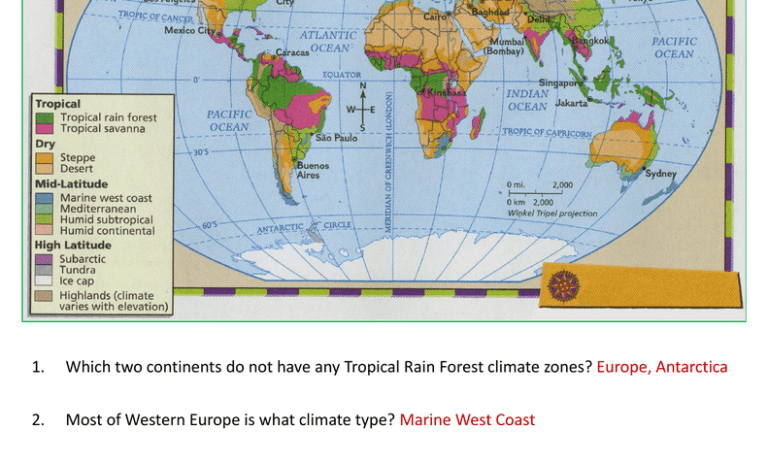
To embark on this journey through global climates, consider the division of our planet into various climatic zones: tropical, arid, temperate, continental, and polar. Each zone possesses its own set of meteorological anomalies, eliciting specific vegetation, wildlife, and human adaptations. These categorizations serve as a compass for demystifying the complex web of influences that define each environment.
The tropical zone, often epitomized by lush rainforests and vibrant ecosystems, embodies vitality. Characterized by warm temperatures that rarely dip below 18°C (64°F) and abundant precipitation, these regions are like a painter’s palette, filled with life and color. The equatorial sun reigns supreme here, fueling photosynthesis in a ceaseless cycle. The weather patterns emerge as harmonies in this verdant symphony, with consistent rainfall punctuating periods of increased humidity, fostering unparalleled biodiversity. Yet, this zone faces an existential threat, as temperature fluctuations and deforestation disrupt the delicate balance of these ecosystems, mirroring a maestro losing control of their orchestra.
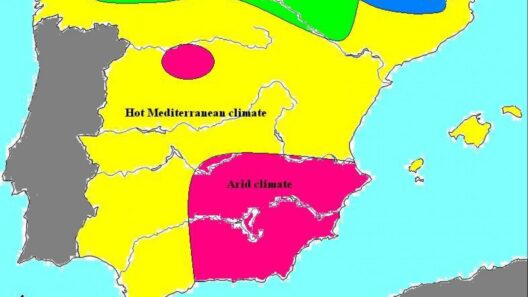
Shifting from the tropics, one encounters the arid climate zones, which could be likened to a silent desert painting, where life exists in stark contrast against an unforgiving backdrop. These regions, typified by scant rainfall and extreme temperature variations, present an image of resilience. From the rugged charm of the Sahara to the barren expanses of the Mojave, this zone teaches the value of survival in extremis. The atmospheric conditions foster unique weather patterns, often leading to sudden, torrential rains that transform the arid landscape into a canvas splashed with vibrant, albeit fleeting, wildflowers. It’s as if nature exclaims, “Here I am!” before returning to its parched reality. Such sporadic bursts of life remind us of the impermanence and fragility that defines existence in these territories.
The temperate zones lie in stark contrast to the extremes of the tropics and arid regions, representing a balanced ecosystem where life thrives amidst four distinct seasons. Much like an artisan’s carefully measured brushstrokes, temperate climates exhibit nuanced variations in temperature and precipitation, nurturing a spectrum of flora and fauna. Weather patterns, with their cyclical changes, unfold like a book with chapters—each season tells a story of transformation. The clarity of spring blossoms, the warmth of summer’s embrace, the picturesque fall foliage, and the sheer stillness of winter compose a symphony that resonates with human experience. These transitions are not mere phenomena; they serve as reminders of the cyclical nature of life and the importance of adaptability.
Diving deeper, one encounters the continental climates, where the impact of landmass on weather becomes conspicuous. The stark temperature differences—sweltering summers and frigid winters—craft a compelling portrait reminiscent of tumultuous tales. This zone, often found in the interiors of large continents, experiences weather patterns that oscillate dramatically, reflecting the human struggle against nature’s capriciousness. The narratives told by these weather fluctuations unfold through severe storms, blizzards, and heatwaves, echoing the tumult of human history itself. Just as ions collide to create electricity, so too does the clash of warm and cold air masses generate the dramatic weather that defines this climatic zone.
Finally, the polar regions stand as steadfast sentinels at the extremes of our planet, reminiscent of abstract art that captures isolation and purity. Defined by harsh conditions, low temperatures, and a scarcity of sunlight, these areas are often perceived as foreboding. The weather here is starkly tranquil yet volatile, often yielding snowstorms that blanket the land in a veil of silence. The intricate patterns of icebergs floating in the ocean tell tales of ancient climates, encapsulated in frozen form. The polar cyclones that swirl through these regions illustrate the unchecked power of nature, a reminder of the fragility of ecosystems which may soon be disrupted by climate change. In a world increasingly characterized by the echoes of anthropogenic influences, the polar zones serve as both warning and inspiration, urging humanity to reevaluate its relationship with Nature.
As the globe warms and weather patterns shift, our understanding of these climatic regions becomes ever more crucial. Exploring their unique attributes not only enriches our appreciation for Earth’s diverse ecosystems but also reinforces our responsibility to safeguard them against the escalating climate crisis. Just as a painter respects the integrity of their canvas, humanity must honour the intricate balances within each ecological zone. Echoing the struggles and triumphs encapsulated within these climates, the call to action becomes increasingly urgent: the responsibility to conserve, protect, and sustain our planet, ensuring its vibrant portraits endure for future generations.
In conclusion, the exploration of the world’s climatic regions reveals an intricate tableau of intertwined ecosystems. Each zone, with its distinct characteristics and weather patterns, contributes a brushstroke to the greater masterpiece that is our Earth. We find ourselves at a pivotal juncture, carrying not only the potential for restoration but also the burden of the impacts of climate change. In embracing the diverse climates, we cultivate deeper connections to the land, fostering a collective stewardship that is vital for our planet’s future.