
The quest for a more sustainable lifestyle often brings to mind radical transformations and drastic sacrifices. However, there exists a singular, deceptively simple methodology for families to conserve energy—in a manner that doesn’t compromise comfort. This hidden gem lies in the savvy management of home heating and cooling systems. By fine-tuning thermostat settings, families can achieve a remarkable reduction in energy consumption while still enjoying a cozy home environment.
Imagine a scenario where every family member arrives home after a long day, seeking that warm embrace of comfort. The conventional wisdom might dictate setting the thermostat to a balmy 72 degrees Fahrenheit to stave off the evening chill. Yet, this consensus view overlooks the potential for improvement through a mere adjustment of two degrees. The simple act of setting the thermostat back to 70 degrees can generate considerable energy savings—one that translates to tangible benefits not just for the household budget, but for the planet as well.
Many families view thermostat management solely through a lens of individual comfort. However, it becomes enlightening to consider the broader implications. The average household spends nearly half of its energy bill on heating and cooling, which represents a significant consumption footprint. Shifting the thermostat’s dial downward not only conserves energy but also transforms perceptual boundaries regarding temperature comfort. What was once considered comfortable can be recalibrated to align with energy-efficient habits.
This minor adjustment to the thermostat is merely a gateway into a broader mindset, one that embraces the concept of ‘adaptive comfort.’ The philosophy of adaptive comfort recognizes that occupants can acclimatize to temperature variations over time. When families understand that the human body is remarkably capable of adjusting, they can become more flexible in their comfort standards. This approach provides an opportunity to embody a conscientious lifestyle while perpetuating a nurturing home environment.
To further enhance this strategy, it’s advantageous to explore programmable thermostats. These innovative devices offer an automated solution for enhancing energy efficiency. A programmable thermostat empowers families to establish a schedule that aligns with their daily routines. Such devices can adjust temperature settings when the household is asleep or away at work, automatically reverting to a comfortable setting just before occupants return. It eliminates the worry of forgetting to adjust the thermostat, as it does so independently and efficiently. Studies have shown that simply utilizing programmable thermostats can yield annual energy savings between 10 to 30 percent.
Moreover, the integration of smart thermostats into the home fervor is an excellent motivator for thoroughly examining energy habits. Smart thermostats can compile data, providing insights into energy usage trends and personalized recommendations. They can even adapt dynamically to the occupants’ behaviors, fine-tuning energy consumption automatically. This technological advancement enriches families’ understanding of their energy profiles, translating into better decision-making regarding overall energy management.
Furthermore, while adjusting thermostat settings stands at the forefront of energy-saving strategies, it is essential not to overlook ancillary measures that can complement this practice. For instance, ensuring that homes are properly insulated can significantly improve the efficacy of heating and cooling systems. Good insulation retains the warmth generated during cooler months and keeps indoor spaces cooler in the heat of summer. Families should conduct simple checks, such as looking for drafts around windows and doors or examining the condition of insulation in their attics and basements. Small investments in sealing gaps and adding insulation can amplify the positive impacts of thermostat adjustments.
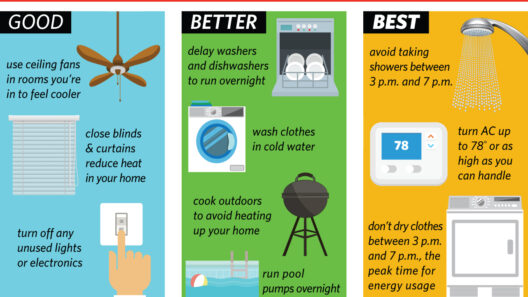
Additionally, the role of ceiling fans should not be underestimated. These often-overlooked devices can assist drastically in regulating indoor temperatures. In the summer, a ceiling fan can create a wind-chill effect, allowing occupants to feel several degrees cooler than actual temperature, thus enabling homeowners to raise their thermostat setting without sacrificing comfort. In winter, by reversing the fan’s direction, warm air pushed upward can circulate back to living areas, maximizing heating efficiency.
The psychological aspect of energy conservation also warrants consideration. Families are more likely to conserve energy if they engage in conscious decision-making around home comfort. Cultivating an environment where discussions around energy savings are encouraged can transform energy use into a family ethos. Initiatives such as temperature challenges—where families strive to lower thermostat settings together—whether by attending modest gatherings in cooler weather or embracing cozy blankets during movie nights can foster a shared commitment to conservation. Building sense of community around such initiatives reinforces the idea that conserving energy does not equate to sacrificing comfort, but rather redefines what comfort can mean.
Ultimately, conserving energy through thermostat management, while embracing adaptive comfort, offers families a unique opportunity to foster a more harmonious relationship with their environment. This isn’t merely about saving money; it’s about nurturing a consciousness that prioritizes sustainability while ensuring indoor environments remain welcoming and warm. Every degree counts, every adjustment matters, and every family can contribute to a larger movement despite the seemingly small nature of individual choices.
In embracing this simple yet potent strategy, families can transform their homes into models of energy efficiency, pivoting towards a brighter, more sustainable future. It is through these calculated adjustments that families can instill a legacy of environmental stewardship while living comfortably within their homes. The capacity for change lies not in overwhelming shifts but in recognizing the power of small, intentional actions—because the comfort in our homes should never come at the expense of the environment.