
In an era where climate change looms as an existential threat, the conversation surrounding energy conservation is more pressing than ever. However, conserving energy does not mean sacrificing productivity. Instead, it invites a paradigm shift—an opportunity to approach efficiency with foresight and ingenuity. Let’s delve into how energy conservation and productivity can harmoniously coexist, recalibrating our approach to both work and environmental stewardship.
First and foremost, understanding the nature of energy usage in various activities is crucial. Devices and appliances in the modern workspace emit considerable amounts of energy. From computers to printers, recognizing your energy consumption patterns is the first step toward transformation. By employing energy-efficient products, leveraging smart technology, and cultivating mindful habits, individuals can significantly reduce energy footprints while maintaining optimal output levels.
Energy-efficient devices, such as LED lighting and ENERGY STAR® certified appliances, consume less power without compromising performance. LED bulbs, for instance, use approximately 75% less energy compared to incandescent lights, promising longevity and reduced bills. Transitioning to such resources facilitates not merely an ethical choice but also a pragmatic one—one that can lead to substantial savings over time. Ultimately, investing in energy-efficient technology pays dividends, allowing for a more sustainable and productive workspace.
Moreover, integrating smart technology can transcend mere efficiency; it can revitalize the way we work. Smart thermostats, for example, learn user behavior and adjust heating and cooling systems accordingly. By optimizing temperature control, they create a comfortable work environment while reducing unnecessary energy consumption. This level of efficiency can help avoid the midday slump often exacerbated by fluctuating temperatures, thus enhancing productivity. When comfort and functionality coexist, the conditions for success are significantly improved.
Equally important is the concept of remote work. The pandemic underscored the viability of remote work arrangements, reducing the energy costs associated with daily commutes and office maintenance. By reimagining the traditional workspace, employees can not only save energy but also optimize their environments for productivity. A home office can be tailored to personal needs—be it ideal lighting, ergonomics, or ambience—leading to heightened focus and creativity, driving a significant boost in productivity without an accompanying hike in energy usage.
Additionally, rethinking time management can also yield impressive results in energy conservation. The Pomodoro Technique, for example, involves working in concentrated bursts followed by short breaks. This method can not only enhance focus but also reduce energy consumption associated with prolonged work hours. The physical and mental rejuvenation afforded by breaks mitigates burnout and aids clarity, creating a more conducive atmosphere for efficient work outputs.
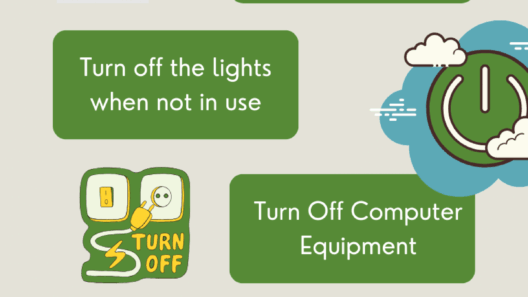
Moreover, conscious consumption is an often-overlooked aspect of energy conservation. Individuals can strive to limit the use of unnecessary devices during off-peak hours. Simply turning off equipment when not in use is a small act but one that accumulates significantly over time. This intentional behavior not only cuts down energy expenditure but serves to reinforce a culture of responsibility within the workplace, instilling awareness that aligns productivity with sustainability.
Another powerful lever in conserving energy is optimizing workflow processes. By automating repetitive tasks through digital tools, employees can limit the resources expended on mundane efforts. Automation not only engages the workforce at a higher cognitive level but also ensures that energy is conserved by streamlining operations. This approach negates the inefficiencies of traditional workflows, leading to a more productive environment where energy usage aligns with task completion.
Engaging in energy audits can further bolster efforts toward energy efficiency. Conducting assessments that gauge energy consumption illuminates areas ripe for improvement. By identifying underperforming systems or excessive usage patterns, organizations can take proactive measures to rectify inefficiencies while fostering a culture of compliance among employees. Such transparency invites collaboration and innovation, where employees can share insights and strategies on reducing energy consumption, culminating in a collective endeavor that boosts productivity levels.
Additionally, employee engagement in energy conservation initiatives can pay unexpected dividends. When staff members understand and commit to conservation goals—whether it’s through competitions or collaborative projects—they develop a sense of ownership and responsibility. This comprehensive approach melds workplace culture with environmental advocacy, stimulating both motivation and camaraderie, thus imbuing a deeper purpose into everyday work.
Furthermore, embracing renewable energy sources can be a game changer. Many businesses are increasingly integrating solar panels or wind energy into their infrastructures, providing a sustainable alternative that significantly reduces reliance on nonrenewable sources. Such investments not only fulfill corporate social responsibility commitments but also help cut operational costs long-term, leading to improved productivity as funds previously tied up in energy costs can be redirected toward growth-oriented initiatives.
In conclusion, the symbiosis of energy conservation and productivity reimagines our conventional views on how we engage with our workspaces. By embracing efficient technology, optimizing workplace practices, and fostering a culture of responsibility and innovation, individuals and organizations can navigate this challenge with agility. The dual commitment to sustainability and productivity not only promises a brighter future but also piques curiosity—inviting us all to explore boundless new possibilities on this journey, where conserving our planet’s resources becomes a cornerstone of progress.