


Winter presents a unique set of challenges when it comes to maintaining warmth while concurrently striving for energy efficiency. As temperatures plummet, the struggle to create a cozy home environment intensifies, often leading to heightened energy consumption. However, adopting a conscientious approach towards energy use during this season doesn’t just promise comfort, it also paves the way for a more sustainable future. Understanding the intricate balance between warmth and efficiency is crucial for anyone wishing to make a positive impact.
To commence this journey, it is vital to assess your current heating system. The effectiveness of your heating technology significantly affects both your comfort and your carbon footprint. Older systems may be less efficient, consuming exorbitant amounts of energy to maintain a stable temperature. Consider performing regular maintenance on your heating equipment. This includes cleaning filters, checking for leaks, and ensuring that your furnace operates efficiently. Such minor interventions can yield considerable savings both in energy bills and greenhouse gas emissions.
Another fundamental aspect involves enhancing your home’s insulation. The insulation acts as a barrier that helps retain heat within the confines of your residence. Begin by conducting an audit of your home’s insulation. Pay particular attention to attics, basements, and crawl spaces where heat escape is most prevalent. Sealing cracks and gaps with caulk or weather-stripping can prove immensely beneficial. Additionally, opting for thicker curtains can trap warmth during the night while also providing an elegant aesthetic to your living space.
Strategic window management also plays a crucial role in maintaining an energy-efficient home during winter. During sunny days, allowing natural light to flood into your home is akin to a warm embrace from the sun. Open your curtains to let in light and warmth, reducing the need for artificial heating sources. Conversely, during the night, close those same curtains to insulate against the cold drafts that may seep through the windows.
Utilizing smart technology can significantly augment your home’s energy efficiency. Modern thermostats with programmable features can adapt to your schedule, ensuring that you are not heating an empty house. Such devices can learn your habits over time, making necessary adjustments and ultimately providing a seamless integration of comfort and sustainability. By exemplifying efficient energy use, you contribute positively to the environment while also benefitting economically.
Consider implementing zoned heating strategies as well. This entails heating only the rooms that are actively in use. Whether by utilizing small space heaters for individualized warmth or by adjusting the central heating system to focus on specific areas, targeted heating can drastically reduce energy consumption. Achieving a warm environment doesn’t require a one-size-fits-all approach; tailor it to your lifestyle instead.
Engaging in responsible energy consumption extends beyond your immediate surroundings. It involves a consciousness surrounding the source of your energy. If your energy provider offers renewable options, consider making the switch. Harnessing wind or solar energy can significantly diminish your carbon emissions while ensuring that your winter warmth doesn’t come at the expense of the planet. Collective action towards renewable energy fosters a community trend that can lead to larger systemic changes.
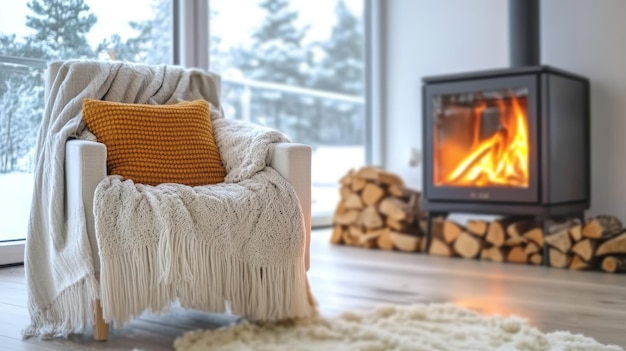
Moreover, the practice of mindful energy consumption can extend to your daily habits. When gearing up for those chilly winter days, layer your clothing instead of cranking up the thermostat. Wearing multiple layers allows for personal warmth without the energy expenditure that increased heating necessitates. Additionally, embracing thermal comfort through simple methods like using cozy blankets while lounging can vastly improve your overall heating experience without relying heavily on your home’s heating system.
Next, consider the culinary delights that winter often brings. While preparing meals, many inadvertently contribute to energy consumption. However, cooking can serve dual purposes; it can warm your home while providing nourishment. Utilize the stove and oven strategically. Baking not only results in delicious meals, but the heat generated helps elevate your living space’s warmth. Cooking with lids on, using pressure cookers, or opting for slow cookers can enhance energy efficiency within your kitchen, while also keeping your home pleasantly warm.
Another remarkable practice to consider is the harnessing of residual heat from your appliances. Appliances such as ovens, dishwashers, and dryers often emit warmth during operation. Leave the oven door ajar after baking to allow the heat to circulate, or utilize the drying cycle of your dishwasher to warm your kitchen. This mindful intertwining of appliance use and home warming can work wonders in reducing reliance on dedicated heating sources.
Lastly, the importance of community cannot be overstated. Engage in conversations about energy efficiency with neighbors, friends, and family. Share ideas and strategies that have proven effective. Collaborating on such initiatives fosters a collective understanding of sustainable practices. It nurtures a culture of consideration for our environment that transcends individual actions. By actively participating in community-oriented discussions and initiatives, the impact of energy conservation can morph into a societal movement, heralding long-term change in energy consumption patterns.
In summary, the winter season invites us to reconsider our relationship with energy consumption. By harnessing both technology and traditional methods—such as enhancing insulation, adopting targeted heating, and forming community connections—we can maintain comfort while honoring our environmental responsibilities. Each action taken not only leads to a more efficient winter but also contributes to the larger narrative of sustainability and climate responsibility. The promise of a warm home and an efficient energy footprint lies within our grasp; it is a matter of choice and conscientious effort.