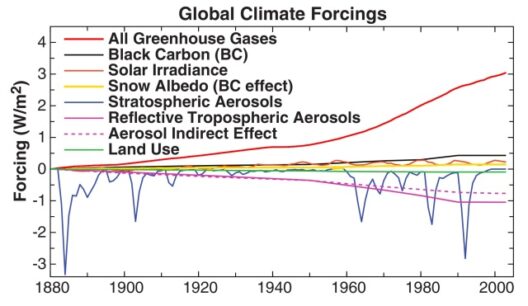



Energy conservation has emerged as a pressing necessity in today’s world. As climate change looms large, individuals have a pivotal role to play in reducing energy consumption. Implementing small lifestyle changes can lead to significant savings, not only in energy bills but also in the overall ecological footprint. Here are twelve practical tips that can help anyone contribute positively to energy conservation.
1. Embrace Energy-Efficient Appliances
The first step toward conserving energy is to opt for energy-efficient appliances. Look for products that boast the ENERGY STAR label. These appliances consume less electricity while maintaining optimal performance. Refrigerators, dishwashers, and washing machines that are Energy Star-rated can reduce energy use considerably, which translates to lower utility bills and a smaller carbon footprint.
2. Optimize Your Heating and Cooling Systems
Heating and cooling account for a large portion of home energy use. Regular maintenance, such as changing air filters and scheduling tune-ups for HVAC systems, can enhance efficiency. Additionally, consider a programmable thermostat. This device allows you to set temperatures for different times of the day, ensuring that energy isn’t wasted when you’re not at home.
3. Utilize Natural Light
Maximizing natural light reduces dependency on artificial lighting. Take advantage of the sunlight during the day by leaving blinds open or installing skylights. In spaces that require artificial light, consider using energy-efficient LED bulbs, which consume significantly less electricity than incandescent bulbs and have a longer lifespan. This dual approach optimizes both natural and artificial light sources.
4. Insulate Your Home
Proper insulation can lead to remarkable energy savings. One can lose a significant amount of energy through windows, doors, and walls that are not adequately insulated. By investing in quality insulation, weather stripping, and caulking, you prevent the loss of heat in the winter and keep your home cool in the summer. This not only conserves energy but also enhances comfort.
5. Be Mindful of Water Heating
Water heating is a substantial energy consumer in most households. Setting the temperature of your water heater to 120 degrees Fahrenheit can reduce your water heating costs. Additionally, insulating the water heater and the first six feet of hot and cold water pipes can further enhance efficiency. Consider using low-flow showerheads to reduce hot water consumption.
6. Incorporate Renewable Energy Sources
Integrating renewable energy into your home is becoming increasingly accessible. Solar panels, for instance, not only reduce reliance on the grid but often lead to significant savings in the long run. While the initial investment may be higher, the long-term benefits, including tax credits and decreasing energy bills, make solar energy an astute choice. Wind energy can also be a viable option depending on geographic location.
7. Reduce Phantom Loads
Phantom loads, or energy that appliances consume while in standby mode, can account for a significant percentage of electricity use. To combat this, unplug devices when they are not in use or use power strips to easily disconnect multiple devices at once. This simple adjustment can lead to noticeable reductions in energy consumption.
8. Practice Smart Cooking
The culinary arts can also harm energy conservation efforts. Utilize microwave ovens and toaster ovens when cooking smaller portions, as they use less energy than conventional ovens. When using the stove, cover pots and pans to retain heat, leading to quicker cooking times. These small shifts in cooking habits can cumulatively save considerable energy.
9. Modify Transportation Habits
Transportation is a significant contributor to energy consumption and greenhouse gas emissions. Individuals can reduce their energy usage by carpooling, using public transportation, or cycling. Even telecommuting when possible can drastically cut down on vehicular emissions. These changes promote a healthier lifestyle and a cleaner environment.
10. Engage in Behavioral Modifications
Sometimes the most substantial changes stem from simple behavioral adjustments. Turning off lights when exiting a room, using cold water for laundry, and limiting screen time can have profound cumulative effects. Creating energy-efficient habits, such as ensuring devices are turned off and not just on standby, will shift the household energy dynamics considerably.
11. Advocate for Energy Conservation
Advocacy extends beyond individual efforts. Engaging with community initiatives, attending local energy efficiency workshops, or supporting policies aimed at sustainability can amplify the impact one can have. Educating neighbors and family about the importance of energy conservation fosters a community spirit dedicated to environmental stewardship.
12. Cultivate an Energy-Conscious Mindset
Finally, cultivating an energy-conscious mindset is essential for long-lasting change. Being aware of one’s consumption patterns, making deliberate choices, and consistently seeking improvements in energy efficiency is crucial. This cultural shift, marked by respect for resources and conscious living, lays the groundwork for a sustainable future.
In conclusion, energy conservation requires a collective effort, but it begins on an individual level. By being proactive and implementing these tips, everyone can play a role in reducing energy consumption and protecting our planet. Each action, no matter how small, contributes to a more sustainable and energy-efficient future.