


Imagine the world as a vast lake, radiant under the sun, yet vulnerable to the relentless currents that threaten to deplete its resources. Energy conservation serves as the dam that protects this lake, ensuring its waters – and thus our collective future – remain abundant. It is an essential practice that transcends mere savings on utility bills; it represents a fundamental commitment to stewardship of our planet. To grasp its importance, one must delve into the very essence of energy conservation, illuminating not only what it is, but why it is a veritable linchpin in the quest for sustainability.
At its core, energy conservation encompasses the strategic utilization of energy resources to minimize waste. It involves adopting methodologies that reduce energy consumption while maintaining the same level of service. This multifaceted approach involves everything from simple lifestyle adjustments to sophisticated technological implementations. By conserving energy, we not only reduce environmental impact but also foster economic resilience, enhance energy security, and promote personal well-being.
The need for energy conservation arises from the increasing pressures exerted on our planet’s delicate equilibrium. Fossil fuels, once seen as a bounty, are now recognized as potent agents of environmental degradation. The greenhouse gases emitted from burning these resources contribute to climate change, instigating severe weather patterns, rising sea levels, and ecological devastation. Thus, energy conservation is not merely an option; it is a necessity, a guiding principle that informs our habits and decisions.
Energy conservation can be likened to a financial investment; each unit of energy saved today translates into dividends of resource security tomorrow. It permits individuals, communities, and nations to reduce dependency on finite resources, thus fortifying against the volatile energy markets that dictate global stability. The less energy consumed, the less demand there is for energy production, creating a virtuous cycle that benefits both the consumer and the environment.
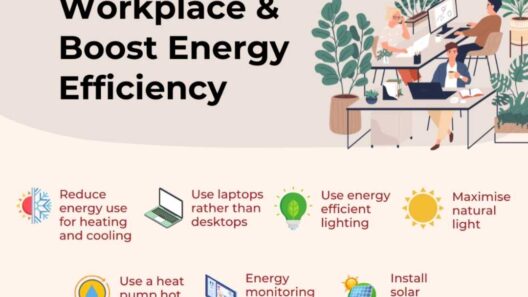
Consider the impact of energy-efficient appliances. These marvels of modern ingenuity exemplify the intersection of convenience and conservation. While traditional appliances drain significant amounts of energy, energy-efficient models optimize their operation, employing innovative technology to deliver the same performance with far less energy. The metamorphosis from incandescents to LEDs reflects a monumental shift in our approach to energy consumption, illuminating rooms while dimming our environmental footprint.
Moreover, energy conservation transcends individual choices; it necessitates systemic changes at the community level. Urban planners are increasingly becoming the custodians of energy sustainability, designing cities that promote walkability, integrate public transportation, and enhance green spaces. Each initiative taken at this broader scale reverberates through the collective consciousness, challenging us to reevaluate our relationship with energy.
The role of public policy cannot be overstated in the realm of energy conservation. Legislation that incentivizes renewable energy usage, imposes stricter energy efficiency standards, and funds research into sustainable technologies can catalyze substantial shifts in consumer behavior. When energy is treated as a public good rather than a mere commodity, the potential for transformative change becomes palpable. Policies that champion energy conservation can reshape industries, drive innovation, and encourage a cultural shift towards sustainability on a grand scale.
Furthermore, the education and awareness surrounding energy conservation is imperative. Empowering individuals with knowledge equips them to make informed decisions. Campaigns that elucidate the benefits of simple actions—such as turning off lights when exiting a room, utilizing energy-efficient light bulbs, or investing in smart home technology—are instrumental in driving a collective ethos of conservation. Instilling a sense of responsibility and community ownership in energy matters can ignite a powerful movement towards more sustainable living.
Each of us possesses the ability to contribute to the narrative of energy conservation through our daily choices. Participating in community initiatives, advocating for sustainable policies, and supporting businesses that prioritize conservation practices are tangible steps individuals can take. When each choice is viewed as a thread in the fabric of collective action, the impact can be profound. The metaphorical dam that safeguards our precious lake can be reinforced by the collective efforts of willing stewards.
In essence, energy conservation is a multifaceted endeavor characterized by its profound importance in today’s world. Its practice is not simply about curtailing energy use; it is about nurturing a relationship with the environment that is symbiotic rather than extractive. As we stand on the precipice of ecological disruption, we must collectively recognize our role in this intricate tapestry. Through informed and intentional actions, we can transform the vast and vulnerable lake into a resilient reservoir of resourcefulness, ensuring its vitality for generations to come.
Ultimately, energy conservation ignites a paradigm shift in how we think about and interact with the energy that fuels our lives. The choices we make today echo into the future, influencing not only our own prosperity but that of the planet. Together, we can build an enduring legacy of sustainability, turning the tide of ecological uncertainty into a bright horizon of possibility.