



Global warming, a phenomenon enmeshed in complexities, can be succinctly conveyed in a single breath: an increase in the Earth’s average surface temperature due to rising levels of greenhouse gases. But how often do we ponder the gravity of such a statement? Is it possible that we, as stewards of this planet, are capable of altering this trajectory? Let’s navigate the intricate tapestry of global warming, tracing its interwoven effects on our environment, society, and future.
At its core, global warming is precipitated by the greenhouse effect, a natural and necessary process. Without it, our planet would be inhospitable, too frigid to support life as we know it. However, human activities—most notably the combustion of fossil fuels, deforestation, and industrial processes—have exacerbated this phenomenon, insidiously amplifying the concentration of carbon dioxide (CO2) and other greenhouse gases in the atmosphere. The resultant imbalance challenges not only ecosystems but also human civilizations, catalyzing severe environmental transformations.
Climate change, an inevitable consequence of global warming, manifests as erratic weather patterns, escalating natural disasters, and unabated sea level rise. Rising temperatures trigger catastrophic events like hurricanes, floods, and droughts, leaving no part of the world unscathed. These climatic aberrations also disrupt agricultural productivity, which could lead to food shortages and exacerbate poverty, particularly in developing nations. How can we reconcile our modern lifestyle, which often prioritizes convenience over sustainability, with the pressing need to mitigate these impacts?
As we delve deeper into the implications of global warming, it becomes abundantly clear that no single entity or region can bear this burden alone. Global warming is not merely an isolated problem; it is a global challenge that bespeaks our interdependence. In the grand tapestry of global society, the threads of action must be woven together to create a resilient fabric capable of withstanding the climate crisis. This necessitates collaboration across borders and sectors—an intricate dance of diplomacy and innovation.
Transitioning to a low-carbon economy is paramount. It is not just about reducing emissions; it’s about re-envisioning our economies. Renewable energy sources—such as solar, wind, and hydropower—hold immense potential to decouple economic growth from carbon emissions. The notion of ‘green jobs’ is gaining traction as a modus operandi for fostering economic resilience while concurrently restoring ecological balance. Yet, the challenge remains: will we collectively summon the fortitude to invest in these radical transformations, or will apathy stifle our progress?
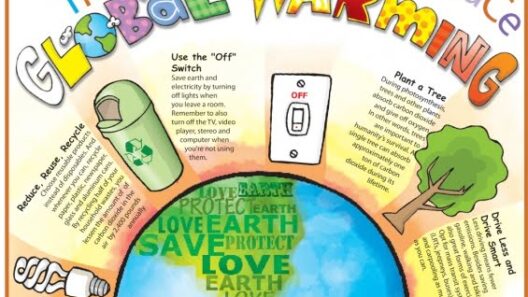
Moreover, we cannot ignore the importance of individual action. Each of us possesses the power to effect change, albeit in small measures. From adopting sustainable practices at home to advocating for policy reforms, our individual choices resonate within the broader context of society. Conscious consumerism encourages businesses to adopt more sustainable practices, pushing them towards environmentally-friendly production models. But, can individual actions alone suffice in combating a crisis as monumental as global warming? Or do we need a clarion call for systemic reform?
As we ponder these questions, the urgent need for a comprehensive educational approach emerges. Education is an invaluable tool in combating global warming, equipping individuals with the knowledge to make informed decisions. Schools, universities, and community organizations must integrate climate literacy into their curricula, fostering a generation that understands the consequences of their actions. When society at large is educated about the ramifications of global warming, the collective mindset shifts, emboldening citizens to challenge the status quo.
Furthermore, policy interventions play a critical role in shaping a sustainable future. Governments must be resolute in their commitment to emissions reduction targets established by international agreements like the Paris Accord. However, compliance is not merely a matter of legal obligation; it is a moral imperative. By upholding stringent environmental regulations, governments can catalyze transformative changes, fostering innovative solutions while holding corporations accountable. But will political will falter in the face of powerful lobbyists seeking to maintain the status quo?
Ultimately, the multifaceted challenge of global warming requires bold, equitable decision-making. Equity must be a guiding principle, ensuring that vulnerable communities—often disproportionately affected by climate change—are prioritized in policy frameworks and resource allocation. This shift not only promotes social justice but also fosters resilience in the face of adversity. Yet the question lingers: can we cultivate a collective spirit of solidarity that transcends borders, fostering a shared commitment to our planet’s health?
In summary, global warming presents an intricate mosaic of challenges and opportunities. From altering our economic paradigms to enhancing individual responsibility and nurturing education, the path forward is fraught with complexity but brimming with potential. The urgency of establishing innovative solutions and enacting systemic changes cannot be overstated. As the metaphorical clock ticks, one must grapple with the pressing inquiries: will humanity rise to meet this challenge with creativity and conviction? Or will we remain mired in complacency, letting the opportunity for transformative change slip through our fingers? The answers lie in our collective choices and actions today.