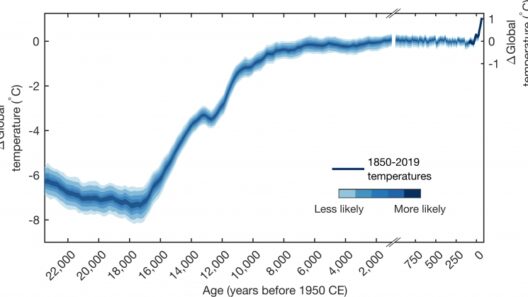




As global temperatures continue to rise, largely due to human activities, the imperative to combat climate change has never been more urgent. It is a common observation that individuals often feel powerless against the enormity of the climate crisis. However, there is a plethora of actionable steps that everyone can take to mitigate further global warming. Recognizing that individual efforts, when aggregated, can lead to significant change is conducive to fostering a sense of empowerment in the fight against climate change.
One of the foremost actions individuals can take is to significantly reduce energy consumption in their homes. This begins with simple changes, such as replacing incandescent bulbs with energy-efficient LED lighting. These newer bulbs use considerably less energy and have a longer lifespan, resulting in not only reduced carbon emissions but also lower electricity bills. Additionally, individuals can minimize the use of heating and cooling systems. A mere adjustment of the thermostat by a couple of degrees can translate into substantial energy savings over time.
Moreover, installing smart thermostats can further enhance energy efficiency. These devices learn users’ habits and automatically adjust heating and cooling when the home is empty or at night when fewer resources are needed. Another effective measure is to ensure that homes are well insulated, effectively limiting the loss of heat during winter or the unwanted gain of heat in summer. This reduces the demand on heating and cooling appliances, thus curtailing greenhouse gas emissions.
Transportation constitutes another significant contributor to greenhouse gas emissions. Individuals can adopt more sustainable commuting options. Walking, biking, carpooling, or utilizing public transport can dramatically decrease one’s carbon footprint. Where feasible, opting for electric or hybrid vehicles can also make a remarkable difference. The electricity required to power electric vehicles can be sourced from renewable energy, thus negating some of the emissions associated with traditional fossil fuel-powered vehicles.
Adopting a more sustainable diet is another impactful strategy for individuals seeking to address global warming. The meat and dairy industries are two of the largest sources of greenhouse gas emissions, primarily through methane production, deforestation for pastureland, and energy-intensive feed production. Transitioning to a plant-based diet, even partially, can significantly reduce one’s carbon footprint. Individuals should explore incorporating more fruits, vegetables, legumes, and whole grains into their meals while reducing the frequency and quantity of meat consumption.
Moreover, purchasing local and organic food can diminish the emissions produced during transportation and contribute to a more sustainable agricultural system. By supporting local farmers’ markets and seasonal produce, individuals not only bolster local economies but also reduce the carbon emissions linked to food transportation. Another recommendation is to minimize food waste. Meal planning, proper storage techniques, and understanding expiration dates can prevent food from ending up in landfills, where it would produce methane as it decomposes.
Waste management is a critical component of the global warming discussion. The production and disposal of waste contribute significantly to greenhouse gas emissions. Recycling and composting should become integral practices in everyday life. Implementing a comprehensive recycling system at home, familiarizing oneself with local recycling guidelines, and ensuring that recyclables are clean can enhance the efficiency of recycling programs. Composting organic matter, such as food scraps and yard waste, can divert materials away from landfills while enriching soil health.
Individuals ought to cultivate a more conscientious consumer mentality, which involves scrutinizing the sustainability of products purchased. This can manifest as buying items with minimal packaging, selecting products made from recycled or sustainably sourced materials, and giving preference to brands that demonstrate a commitment to sustainability. The act of refusing single-use plastics, such as straws and bags, is a personal choice that can collectively lead to a significant reduction in global plastic pollution and resource consumption.
In addition to personal lifestyle changes, individuals can amplify their impact by advocating for systemic change within their communities. Engaging with local organizations, participating in discussions regarding environmental policies, and supporting climate legislation can affect how communities and governments address climate change. Grassroots movements and public demonstrations highlight the urgency of climate action and can galvanize political leaders to prioritize environmental policies.
Education plays a pivotal role in fueling the climate movement. Individuals are encouraged to remain informed about climate science and its implications. By sharing knowledge with peers, families, and social networks, awareness can spread, fostering a collective understanding of the necessity for climate action. Teaching younger generations about environmental stewardship instills a sense of responsibility and the importance of caring for the planet.
It is undeniable that the challenges posed by climate change can feel overwhelming. However, the collective actions of individuals, when adequately harnessed, can bring about substantial change. By adopting energy-efficient practices at home, making conscious choices in transportation and diet, reducing waste, and advocating for environmental policies, everyone has a vital role to play in combating global warming. The urgency to act is pressing, and taking steps – however small – is essential for the collective efforts needed to create a sustainable future. Empowerment through action can pave the way toward a healthier planet for generations to come.