
Global warming represents one of the most pressing challenges of our time, with profound implications for ecosystems, economies, and human health. As temperatures continue to rise, the urgency of addressing this crisis cannot be overstated. Both mitigation and adaptation strategies are essential to alleviate the detrimental effects of climate change. By understanding and implementing effective measures, individuals and communities can contribute to a more sustainable future.
Mitigation Strategies
Mitigation involves efforts to reduce or prevent the emission of greenhouse gases. By mitigating climate change, we can lessen its severity and protect our planet for future generations. Here are several key strategies:
1. Transition to Renewable Energy
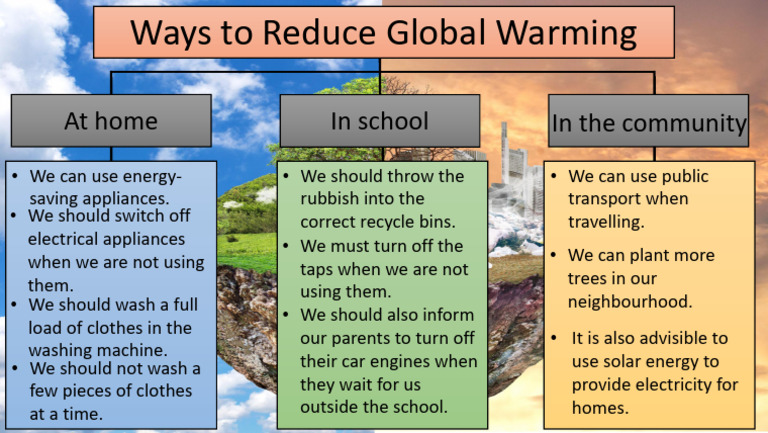
One of the most impactful ways to mitigate global warming is to shift from fossil fuels to renewable energy sources. Solar, wind, hydroelectric, and geothermal energy generate electricity with little to no greenhouse gas emissions. Investing in solar panels for residential use or advocating for larger solar farms can significantly reduce reliance on carbon-intensive energy sources.
2. Enhance Energy Efficiency
Improving energy efficiency in homes, businesses, and industries is paramount. Simple actions such as using energy-efficient appliances, insulating buildings, and adopting LED lighting can lead to substantial reductions in energy consumption. Additionally, implementing energy-efficient practices in manufacturing processes can drastically lower emissions.
3. Promote Sustainable Transportation
The transportation sector is a major contributor to greenhouse gas emissions. By promoting public transportation, carpooling, biking, and walking, we can reduce our carbon footprint. Investing in electric vehicles and supporting the development of charging infrastructure can further decrease fossil fuel dependence.
4. Advocate for Sustainable Agriculture
Agriculture significantly impacts climate change, contributing to both emissions and deforestation. Sustainable farming practices, such as crop rotation, agroforestry, and organic farming, can enhance soil health, sequester carbon, and reduce reliance on chemical fertilizers. Supporting local and organic food systems not only promotes sustainable practices but also strengthens community resilience.
5. Implement Waste Reduction Initiatives
Proper waste management is key in combating climate change. Reducing, reusing, and recycling materials can significantly decrease methane emissions from landfills. Composting organic waste enriches soil while also mitigating greenhouse gas emissions. Communities can organize clean-up events and educational programs to raise awareness about waste reduction.
Adaptation Strategies
While mitigation seeks to prevent climate change, adaptation addresses the consequences. As climate-related events become more frequent, adapting to these changes is crucial for resilience. Here are strategies to consider:
1. Strengthen Infrastructure
Investing in resilient infrastructure can withstand climate impacts. Upgrading drainage systems, reinforcing coastal defenses, and retrofitting buildings to handle extreme weather events are essential strategies. Urban planning must incorporate climate resilience to protect communities from flooding, heatwaves, and other climate-related disasters.
2. Develop Water Management Systems
As water scarcity becomes a pressing issue, efficient water management is vital. Implementing rainwater harvesting systems and promoting water conservation practices can mitigate shortages. Additionally, investing in desalination technology can provide alternative freshwater sources for impacted regions.
3. Foster Biodiversity Conservation
Preserving biodiversity is crucial for ecosystem resilience. Creating protected areas, restoring habitats, and implementing wildlife corridors helps mitigate the effects of habitat loss. Communities can engage in local conservation efforts, promoting awareness of the importance of biodiversity in combating climate change.
4. Enhance Public Health Preparedness
Climate change poses significant health risks, from heat-related illnesses to vector-borne diseases. Preparing healthcare systems to respond to these challenges is imperative. Public health initiatives should focus on educating communities about the health impacts of climate change and promoting equitable access to healthcare resources.
5. Encourage Community Engagement
Community involvement is vital for successful adaptation efforts. By fostering a sense of community ownership and collective responsibility, individuals can collaborate on sustainability initiatives. Engaging in local decision-making processes ensures that adaptations reflect the unique needs and priorities of the community.
Conclusion
Reducing the adverse effects of global warming requires a multi-faceted approach that combines both mitigation and adaptation strategies. Individuals, businesses, and governments alike have a critical role to play in this endeavor. By embracing renewable energy, improving energy efficiency, and fostering sustainable practices, we can significantly reduce greenhouse gas emissions. Concurrently, enhancing resilience through adaptable infrastructure, efficient water management, and biodiversity conservation can equip communities to face the realities of a changing climate. Collaborative efforts and informed decision-making are paramount to ensuring a sustainable future for our planet.