

Salmon are an iconic species, revered not just for their ecological importance but also for their deep cultural significance across various regions. They are migratory fish, known for their remarkable journeys from freshwater rivers to the expansive ocean and back again. However, as global temperatures rise due to climate change, these migratory patterns are being profoundly affected. The plight of salmon serves as a compelling indicator of the broader effects of climate change on aquatic ecosystems. What happens when the ocean gets too warm for these remarkable swimmers? Could their traditional routes become obsolete, leading to unforeseen challenges for their survival?
The phenomenon of changing migration patterns is not limited to salmon alone; it cascades through entire ecosystems, affecting various species that rely on them for food, as well as the human communities that depend on them for livelihood. Salmon are particularly sensitive to changes in water temperature, which influence their spawning, growth, and survival rates. Warmer waters can lead to lower oxygen levels, higher risks of disease, and increased predation. These factors pose a triple threat to their populations.
Temperature is a critical factor driving the migration of salmon. Traditionally, salmon spawn in specific rivers, returning after a period spent in the ocean. These spawning habitats are typically cool, freshwater environments. However, with rising global temperatures, these once-inviting habitats may no longer provide optimal conditions. Scientists have observed that salmon populations are beginning to shift their migrations northward, seeking cooler waters as they try to adapt to the gradually warming seas. This migration could put them in competition with other fish species and potentially disrupt existing ecosystems.
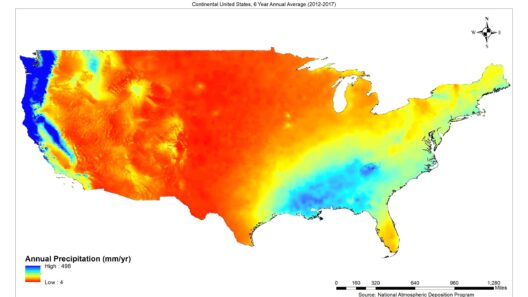
As salmon migrate northward, they may encounter new environmental challenges. Altered precipitation patterns can lead to increased river flow in some areas and decreased flow in others. This inconsistency can disrupt spawning cycles, prevent juvenile salmon from reaching the sea, and ultimately affect their survival rates. Moreover, altered water chemistry due to increased rainfall and melting glaciers can introduce new pollutants into their habitats, further complicating their struggle for existence.
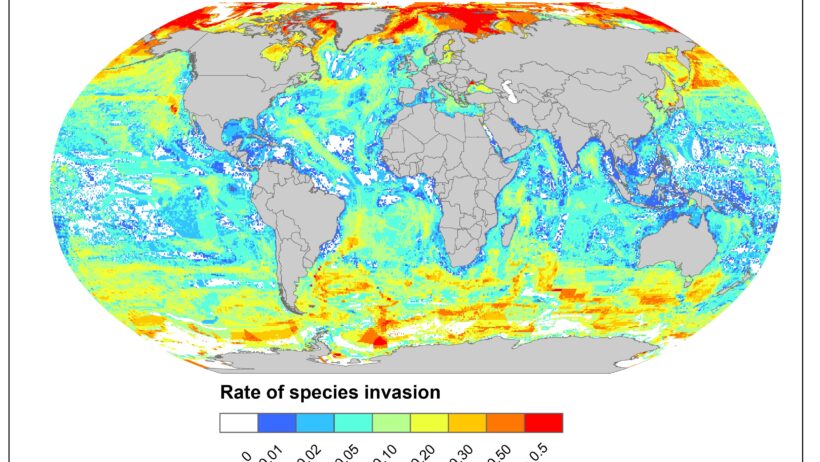
In addition to habitat changes, the ecosystem dynamics are also shifting. Warmer temperatures have led to the proliferation of invasive species that outcompete native fish. For example, in some river systems, invasive warm-water fish are encroaching on salmon habitats, further exacerbating the challenges faced by salmon populations. The intricate balance of predator and prey is thrown into disarray, making it increasingly difficult for young salmon to survive long enough to mature and return to spawn.
The impact of changing migration patterns and habitat conditions does not stop with the fish themselves. Local economies that thrive on salmon fishing face impending challenges as fish populations fluctuate. In communities where salmon fishing is a cornerstone of cultural and economic life, there is growing uncertainty about future catches. Fishermen and women must now contend with the unpredictability of their harvests. This situation raises a critical question: how can we find sustainable solutions that accommodate both fish populations and human interests?
Innovative solutions are emerging, focused on managing salmon populations in the face of a changing climate. Conservation efforts, habitat restoration, and adaptive management strategies are critical to ensure that salmon can still thrive. For example, creating fish passageways and restoring river habitats can help salmon navigate their environments more effectively, despite temperature fluctuations. Additionally, responsible fishing practices can help alleviate pressure on salmon populations, allowing them time to recover.
The challenge of climate change is vast, and no single solution will be sufficient. Comprehensive policies and community actions are necessary to address the multifaceted issues affecting salmon and their habitats. Collaboration between governments, environmental organizations, and local communities is essential for developing a coordinated approach. Moreover, public awareness and education are vital to foster an understanding of the interconnectedness of ecosystems. Promoting an incentive-based economic model that rewards sustainable practices can enhance community resilience in the face of environmental changes.
As we reflect on the profound impacts of climate change on salmon migration, it becomes crucial to underscore the importance of protecting these migratory pathways. This involves more than just safeguarding a single species; it requires a holistic view of the ecosystem. Our understanding of ecological interdependence must deepen, as the ramifications of our actions extend beyond immediate human interests. Everyone plays a role in this narrative, from policy-makers to consumers. Supporting sustainable fisheries and advocating for clean water initiatives can contribute to a healthier environment for salmon and other aquatic species.
In conclusion, the struggle of salmon against the backdrop of global warming presents a complex challenge. The effects of rising temperatures disrupt not just the fish, but entire ecosystems and communities that rely on their presence. As we navigate these turbulent waters, we must remain vigilant and proactive. The question looms: will we rise to meet the challenge, or will we watch as ecosystems suffer? The opportunities for change are at our fingertips, and it is our responsibility to harness them for future generations.