



In an era where environmental degradation threatens our planet’s delicate ecosystems, the call for individual and collective action has never been more urgent. We often find ourselves asking: How can we contribute meaningfully to the preservation of our environment? What if you could challenge yourself to incorporate 100 strategies into your daily life to save the environment and live sustainably? It may seem like a daunting task, but remember, even the smallest changes can cascade into profound impacts.
Let’s embark on this journey of exploration through the myriad of possibilities that exist for enacting change. Here’s a roadmap to guide you: a diverse compilation of 100 ways to contribute positively to our environment, fostering sustainability in your everyday life.
**1. Reduce, Reuse, Recycle**: The classic trio is foundational. Start by minimizing waste, finding new uses for items, and sorting your recyclables. Every small effort counts.
**2. Opt for Renewable Energy**: If possible, transition your home to solar or wind energy. This helps reduce reliance on fossil fuels, diminishing your carbon footprint significantly.
**3. Conserve Water**: Small actions, like fixing leaks, using water-saving fixtures, and collecting rainwater, can dramatically reduce water usage.
**4. Adopt a Plant-Based Diet**: Cutting down on meat and dairy can lessen the strain on environmental resources, as livestock production is resource-intensive.
**5. Grow Your Own Food**: Whether it’s a backyard garden or a few herbs on your windowsill, growing your own food can be rewarding and reduces transportation emissions.
**6. Reconsider Your Transportation**: Carpooling, biking, walking, and utilizing public transport reduces greenhouse gas emissions significantly.
**7. Mentor Others**: Share your knowledge and inspire friends and family to join your sustainability journey, creating a ripple effect.
**8. Support Local Businesses**: Purchasing from local farms and shops not only bolsters your community but also reduces the distance food travels, minimizing emissions.
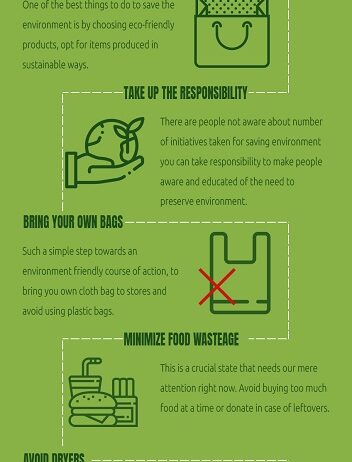
**9. Avoid Single-Use Plastics**: Ditch plastic bags, straws, and utensils in favor of reusable alternatives. This simple act can significantly mitigate plastic pollution.
**10. Compost**: Transform your organic waste into nutrient-rich compost for your garden, thereby diverting waste from landfills.
**11. Participate in Clean-Up Events**: Join or organize local clean-up initiatives to help keep parks and beaches pristine.
**12. Educate Yourself**: Continue learning about environmental issues to better inform your advocacy and everyday choices.
**13. Embrace Minimalism**: Focus on acquiring only what you need. A clutter-free life leads to less consumption and waste.
**14. Buy Second-Hand**: Thrift shopping is not only economical but also reduces waste and supports a circular economy.
**15. Use Eco-Friendly Products**: Select cleaning and personal care products that are free from harmful chemicals and sustainably packaged.
**16. Install Low-Flow Fixtures**: Low-flow showerheads and faucets can significantly reduce water consumption without sacrificing performance.
**17. Insulate Your Home**: Proper insulation reduces energy consumption for heating and cooling, leading to lower bills and a smaller carbon footprint.
**18. Engage in Advocacy**: Participate in local government or advocacy groups that work toward environmental protection.
**19. Choose Sustainable Materials**: When furnishing your home, opt for sustainably sourced wood, bamboo, or recycled materials.
**20. Cut Out Fast Fashion**: Instead of frequently purchasing new clothes, consider quality over quantity and choose timeless pieces that last longer.
**21. Traveler with Purpose**: Choose eco-friendly accommodations, respect local wildlife, and minimize your carbon footprint while exploring new destinations.
**22. Be Mindful of Food Waste**: Plan your meals, use leftovers creatively, and compost what you can to reduce food waste at the household level.
**23. Participate in Tree Planting**: Engage in or support initiatives that reforest ecosystems and create green spaces.
**24. Advocate for Sustainable Policies**: Encourage local representatives to implement climate-friendly policies that prioritize sustainability.
**25. Use Non-Toxic Lawn Care**: Opt for organic fertilizers and pest control methods to protect your local ecosystem from harmful chemicals.
**26. Monitor Your Energy Use**: Use energy-efficient appliances and consider installing smart meters to track and reduce your consumption.
**27. Embrace Electric Vehicles**: Transitioning from gasoline-powered vehicles to electric ones can greatly reduce your environmental impact.
**28. Cultivate a Sustainable Mindset**: Foster an attitude of respect and care for the environment, which influences your choices and lifestyle.
**29. Seek Certifications**: Look for environmentally certified products and services to ensure your purchases align with sustainable practices.
**30. Disconnect Devices**: Unplug electronics when not in use to save energy and reduce phantom load.
**31. Use Natural Lighting**: Harness the sun’s rays to illuminate your space, decreasing reliance on artificial lighting.
**32. Support Environmental NGOs**: Contribute your time, money, or skills to organizations working towards environmental protection and conservation.
**33. Start a Work or Community Initiative**: Organize a group to champion sustainability practices in your workplace or neighborhood.
**34. Make Eco-Friendly Fashion Choices**: Support brands that prioritize sustainable and ethical manufacturing practices.
**35. Attend Workshops and Webinars**: Stay informed and improve your knowledge base by participating in educational events focused on sustainability.
**36. Foster Biodiversity**: Plant native species in your garden or support local wildlife habitats to enhance ecological diversity.
**37. Engage Youth**: Involve children and young adults in environmental education and activities to foster stewardship for future generations.
**38. Go Digital**: Reduce paper waste by opting for digital subscriptions and documentation where possible.
**39. Simplify Your Diet**: Adopt seasonal eating habits to align your food choices with local agricultural practices.
**40. Host Sustainability Workshops**: Share skills like upcycling, zero-waste living, or sustainable cooking with others in your community.
**41. Reduce Refrigeration Needs**: Store perishables strategically and use natural preservation methods to extend the life of foods.
**42. Invest in Energy-Efficient Technology**: Choose products with Energy Star ratings to ensure efficiency in energy consumption.
**43. Share Resources**: Collaborate with neighbors to share tools, equipment, and resources, fostering a community spirit while minimizing consumption.
**44. Leverage Social Media**: Help amplify critical environmental messages and connect with like-minded individuals through online platforms.
**45. Reduce Use of Air Conditioning**: Utilize fans, shade, and natural ventilation to cool spaces, thus decreasing energy consumption.
**46. Organize Clothing Swaps**: Facilitate events where friends can exchange clothes, promoting reusability without spending.
**47. Develop Eco-Friendly Habits**: Build simple daily practices that reduce waste, like carrying a reusable water bottle wherever you go.
**48. Choose Low Impact Tourism**: Select travel options that support local economies and minimize environmental harm.
**49. Engage in Urban Gardening**: Transform unused urban spaces into green gardens that provide local food sources and create community green belts.
**50. Push for Corporate Responsibility**: Encourage businesses to adopt sustainable practices, advocating for environmentally responsible supply chains.
**51. Use Grasscycling Techniques**: Leave grass clippings on the lawn as they decompose, returning nutrients to the soil.
**52. Plant Trees Strategically**: Position trees around your home to provide shade, reducing your need for cooling systems.
**53. Volunteer for Conservation Efforts**: Spend your time supporting ecological restoration projects or wildlife preservation initiatives.
**54. Be Mindful of Transportation Efficiency**: If you must drive, combine errands to minimize trips and save fuel.
**55. Establish Eco-Friendly Celebrations**: Organize parties and events that prioritize sustainability through decorations, catering, and waste management.
**56. Sustainable Pet Ownership**: Choose eco-friendly pet products and be mindful of the environmental impact of pet food production.
**57. Create Environmental Art**: Utilize recycled materials to craft art that raises awareness about sustainability and encourages action.
**58. Dedicate Time for Nature**: Spend time outdoors to cultivate a connection with the environment, understanding the importance of its preservation.
**59. Utilize Digital Devices for Convenience**: Use apps and online tools to track your habits and progress towards sustainability goals.
**60. Raise Awareness through Literature**: Write articles, blogs, or stories that inspire others to take action towards a sustainable lifestyle.
**61. Promote Carbon Offsetting**: Support projects that offset carbon emissions, contributing to global climate goals.
**62. Craft Sustainable Alternatives**: Create DIY cleaning products or beauty items from natural ingredients to lessen chemical use.
**63. Acknowledge Environmental Champions**: Admire and promote those in your community who lead impactful sustainability efforts, motivating others to follow suit.
**64. Cultivate Sustainable Habits**: Gradually introduce new eco-friendly methods into your lifestyle, aiming for a holistic integration over time.
**65. Start a Sustainability Blog**: Document your journey and spark conversations around environmental issues within your circle.
**66. Leverage Community Resources**: Utilize local libraries, community centers, and online forums to access sustainable tools and information.
**67. Rewild Your Garden**: Transform manicured lawns into natural habitats for wildlife, contributing to biodiversity.
**68. Challenge Conventional Wisdom**: Question accepted practices and consider alternative, environmentally-friendly options in all areas of life.
**69. Use Energy-Efficient Holiday Lighting**: During festive seasons, choose LED lights and limit use to conserve energy.
**70. Advocate for Green Spaces**: Push for local governments to create parks and nature reserves that promote biodiversity and community wellness.
**71. Support Clean Water Initiatives**: Participate in campaigns that advocate for access to safe and clean water for all.
**72. Integrate Wellness Practices**: Engage in activities like yoga or meditation outdoors, connecting personal well-being with nature conservation.
**73. Experiment with Natural Pest Control**: Utilize companion planting and other organic methods to manage pests without chemicals.
**74. Develop Resilience to Climate Change**: Engage with community resilience planning to prepare for and adapt to the effects of climate change.
**75. Attend Environmental Forums**: Participate in discussions that focus on innovative solutions for environmental challenges.
**76. Foster Green Innovations**: Encourage local entrepreneurs to develop and implement sustainable technology and practices.
**77. Celebrate Earth Day**: Actively participate in Earth Day activities, marking the occasion with efforts toward environmental awareness.
**78. Guard Our Oceans**: Be passionate about marine conservation and advocate for practices that protect aquatic ecosystems.
**79. Share Your Journey**: Document and share your sustainability challenges and successes to encourage conversations around environmental awareness.
**80. Visit Local Farmers Markets**: Frequent these venues to support local farms and reduce the carbon footprint associated with industrial food supply chains.
**81. Create Eco-Friendly Gadgets**: DIY environmentally conscious inventions that simplify sustainable living for yourself and others.
**82. Strive for Carbon Neutrality**: Aim for carbon neutrality by balancing your emissions with practical offsetting strategies.
**83. Explore Nature’s Remedies**: Study and implement the use of medicinal plants, which mitigates reliance on pharmaceutical production.
**84. Lean into Sustainable Technology**: Investigate the potential of green tech innovations that focus on efficiency and renewable resources.
**85. Make Use of Open Source Solutions**: Engage with open-source technology focused on sustainability and contribute to collaborative environmental efforts.
**86. Foster Neighborly Relations**: Create a community network that provides support and resources for sustainable action.
**87. Develop Green Infrastructure**: Advocate for and support the integration of green roofs, walls, and urban greenspaces in city planning.
**88. Open Dialogue About Climate Change**: Encourage frank discussions about climate issues, inspiring collective problem-solving.
**89. Champion Biodiversity Education**: Share information on local ecosystems, emphasizing the importance of local flora and fauna.
**90. Cultivate Gratitude**: Appreciate nature’s offerings and consider small, everyday actions that reflect this gratitude through sustainability.
**91. Embrace Interconnectivity**: Understand the relationships among environmental practices, personal health, and community well-being.
**92. Explore Nature’s Cycles**: Acknowledge the significance of seasonal changes and how they affect your consumption patterns.
**93. Leverage Water Conservation Strategies**: Investigate and implement techniques for efficient water management in agriculture and landscaping.
**94. Support Environmental Justice**: Ensure that sustainability initiatives encompass all communities, acknowledging disparities and fostering inclusiveness.
**95. Promote Wildlife Corridors**: Advocate for the establishment of wildlife corridors that facilitate animal migration and genetic diversity.
**96. Innovate Urban Agriculture**: Promote urban farming initiatives that utilize rooftops and vacant lots to grow food sustainably in cities.
**97. Secure Local Alliances**: Build partnerships with local businesses and organizations that share your commitment to sustainability.
**98. Research Ecological Footprints**: Regularly analyze and evaluate your ecological footprint, aiming to reduce it continually.
**99. Engage in Philanthropic Efforts**: Support charities focused on environmental conservation to bolster their positive impacts.
**100. Assess Your Progress**: Regularly evaluate your sustainable practices, celebrating achievements and identifying areas for improvement.
As you challenge yourself to implement these strategies, remember that small, incremental changes collectively contribute to significant impact. Embrace this endeavor, and let your actions resonate throughout your community and beyond. Imagine if everyone committed to even a fraction of these suggestions—what a transformative wave of sustainability we could create together!