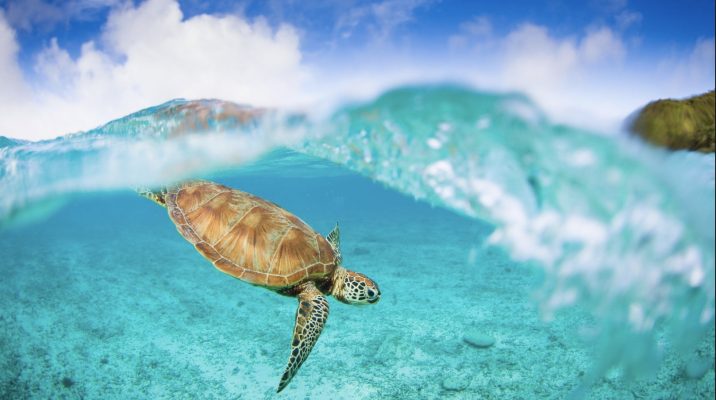

Sea turtles, ancient mariners of our oceans, have traversed the planet’s waters for millions of years. Their resilient presence is a testament to survival against the odds. However, they are not just fascinating creatures; they embody intricate biological wonders and ecological importance. Let us explore five captivating facts about these remarkable reptiles and shed light on their ongoing battle for existence.
1. The Epic Journey of Migration
Every year, several species of sea turtles embark on monumental migrations that span thousands of miles. One of the most notable is the leatherback turtle, which can traverse the Atlantic Ocean from nesting grounds in the Caribbean to feeding areas off the coasts of Canada and Europe. These journeys are driven by instinct, guided by the Earth’s magnetic fields, and often take place during specific seasons.
The endurance exhibited by these turtles is not merely astonishing but also serves crucial ecological functions. Their migrations contribute to nutrient cycling within marine ecosystems. As they travel, they forage on jellyfish and other marine organisms, inadvertently controlling populations of these species and maintaining a balance that many other ocean dwellers rely upon.
2. The Ancient Lineage of Sea Turtles
Sea turtles belong to a lineage that has existed for over 100 million years, predating many of the species we recognize today. Fossil records reveal that their ancestors roamed the oceans alongside dinosaurs. This evolutionary heritage endows them not only with unique adaptations—like hard, protective shells and streamlined bodies—but also with a profound ecological wisdom. They play pivotal roles in maintaining the health of seagrass beds and coral reefs, serving as both predators and prey in a web of intricate marine interactions.
However, as guardians of the sea, these ancient beings face unprecedented challenges. Changes in climate, ocean acidification, and habitat destruction jeopardize their habitats and threaten their survival. Understanding their evolutionary history fosters a deeper appreciation for the fragility of their existence and the pressing need for protective measures.
3. Nesting Rituals: A Maternal Mystery
One of the most intriguing behaviors of sea turtles is their nesting ritual. Female turtles exhibit a compelling compulsion to return to the beaches where they were born, a phenomenon known as natal homing. This journey often spans vast distances as they navigate back to familiar shores, instinctively laying their eggs in the warm, sandy dunes, often at night to evade predators.
This nesting process is not without its tribulations; a single female can lay hundreds of eggs in a single nesting season. However, only a minuscule percentage of hatchlings survive to adulthood. The first trials for hatchlings begin almost immediately after they emerge from their nests, as they scurry toward the ocean, evading various predators, including seabirds and crabs. This instinctual drive for survival is not limited to mere endurance; it embodies a frantic desperation to fulfill a biological imperative, underscoring the vulnerability of their existence.
4. Threats and Conservation Efforts
Despite their resilience, sea turtles face myriad threats that stem largely from human activities. Climate change, marine pollution, fisheries bycatch, and coastal development are contributing to alarming declines in their populations. The warming of ocean waters affects their nesting sites and the sex ratio of hatchlings—a phenomenon tied to temperature-dependent sex determination. Higher nest temperatures result in disproportionately more females, potentially skewing population dynamics.
Conservation efforts have burgeoned in response to these challenges. NGOs and governmental organizations play pivotal roles in sea turtle conservation, employing measures such as protecting nesting sites, advocating for sustainable fishing practices, and reducing plastic pollution in marine environments. Community engagement is vital, as local populations often serve as guardians of these magnificent creatures. Educating communities about the ecological importance of sea turtles can foster a sense of stewardship, shifting perspectives towards a more sustainable coexistence.
5. The Indispensable Role in Ecosystems
Sea turtles are not simply admirable for their majestic resilience; they are keystones in marine ecosystems. Their feeding habits, such as grazing on seagrasses, help maintain the health of underwater habitats. By consuming jellyfish, they regulate their populations, which can explode unchecked and disrupt marine ecosystems if not kept in check.
The intricate relationships they maintain within their environments illustrate the interconnectedness of all marine life. The decline or eradication of sea turtles can lead to cascading effects, wreaking havoc on coastal ecosystems. Their presence fosters biodiversity, allowing numerous other species to thrive alongside them. Understanding this dynamic emphasizes the intrinsic value of every species within the marine ecosystem and highlights the urgent necessity for collective efforts to protect these magnificent reptiles.
In conclusion, sea turtles embody resilience and intricate ecological significance, navigating a world fraught with challenges. By recognizing their extraordinary journeys, ancient lineage, vulnerable nesting behaviors, and imperative role in our oceans, we can gain a profound appreciation for these remarkable creatures. Our collective responsibility is to champion their cause and ensure that future generations can witness these majestic beings gracing our oceans once more.